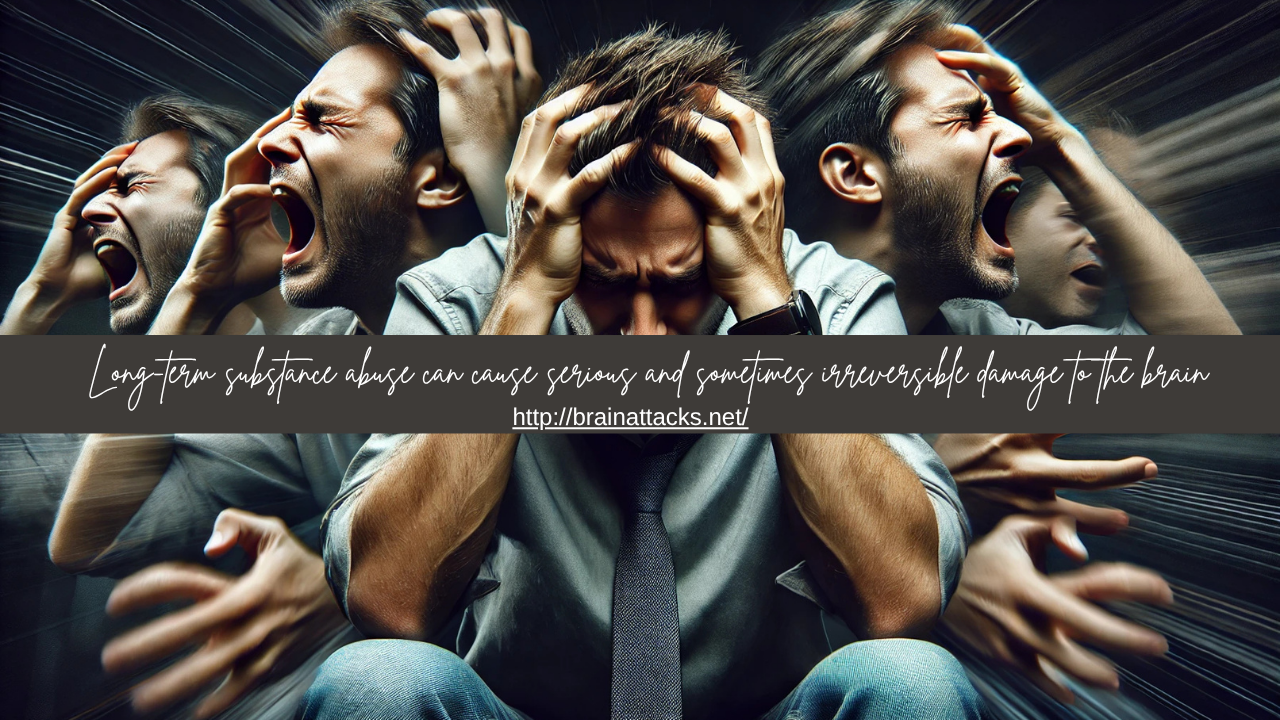
Substance abuse is not just a temporary assault on the body—it can cause lasting harm to the brain. Long-term use of drugs or alcohol alters brain structure and function, often leading to significant cognitive, emotional, and behavioral problems. The good news is that the brain possesses a remarkable capacity for healing. But how much recovery is possible depends on several factors, including the substance used, the duration of abuse, and the steps taken toward recovery.
How Substance Abuse Damages the Brain
Addictive substances can cause both functional and structural damage to key brain regions:
- Prefrontal cortex: This area governs decision-making, self-control, and planning. Long-term substance abuse weakens its function, leading to poor judgment, impulsivity, and difficulty managing daily responsibilities.
- Hippocampus: Responsible for memory and learning, the hippocampus is particularly vulnerable to alcohol and certain drugs. Damage here leads to memory loss and learning difficulties.
- Reward system: Chronic exposure to substances hijacks the brain’s reward circuits, making it harder to experience pleasure from natural sources and reinforcing compulsive drug-seeking behavior.
These changes are not just temporary. In cases of prolonged or heavy use, the brain’s structure can be altered, with reduced gray matter and impaired connectivity between key regions.
Is Recovery Possible?
The brain is dynamic and adaptable, thanks to neuroplasticity—the ability to form new neural connections and reorganize damaged networks. Research shows that with sustained abstinence and the right interventions, many of the negative effects of substance abuse can be partially or even largely reversed.
- Cognitive improvements: Memory, attention, and problem-solving skills often show gradual recovery over months or years of sobriety.
- Emotional stability: As the brain’s chemical balance is restored, mood regulation improves and symptoms of depression or anxiety often lessen.
- Decision-making and impulse control: With time and support, the prefrontal cortex can regain much of its lost function, helping individuals make healthier choices.
Supporting Brain Recovery
Healing from long-term brain damage requires a comprehensive approach:
- Therapeutic interventions: Cognitive behavioral therapy (CBT), mindfulness, and other evidence-based treatments help retrain thought patterns and coping skills.
- Healthy lifestyle: Regular exercise, balanced nutrition, adequate sleep, and stress management promote brain health and neuroplasticity.
- Social support: Strong connections with family, friends, and recovery communities provide encouragement and accountability.
Conclusion
While long-term substance abuse can cause serious and sometimes irreversible damage to the brain, recovery is often possible—especially with early intervention and sustained effort. The brain’s resilience offers hope, but healing takes time, support, and commitment. By understanding the nature of brain damage and the power of neuroplasticity, individuals and their loved ones can work toward a brighter, healthier future.