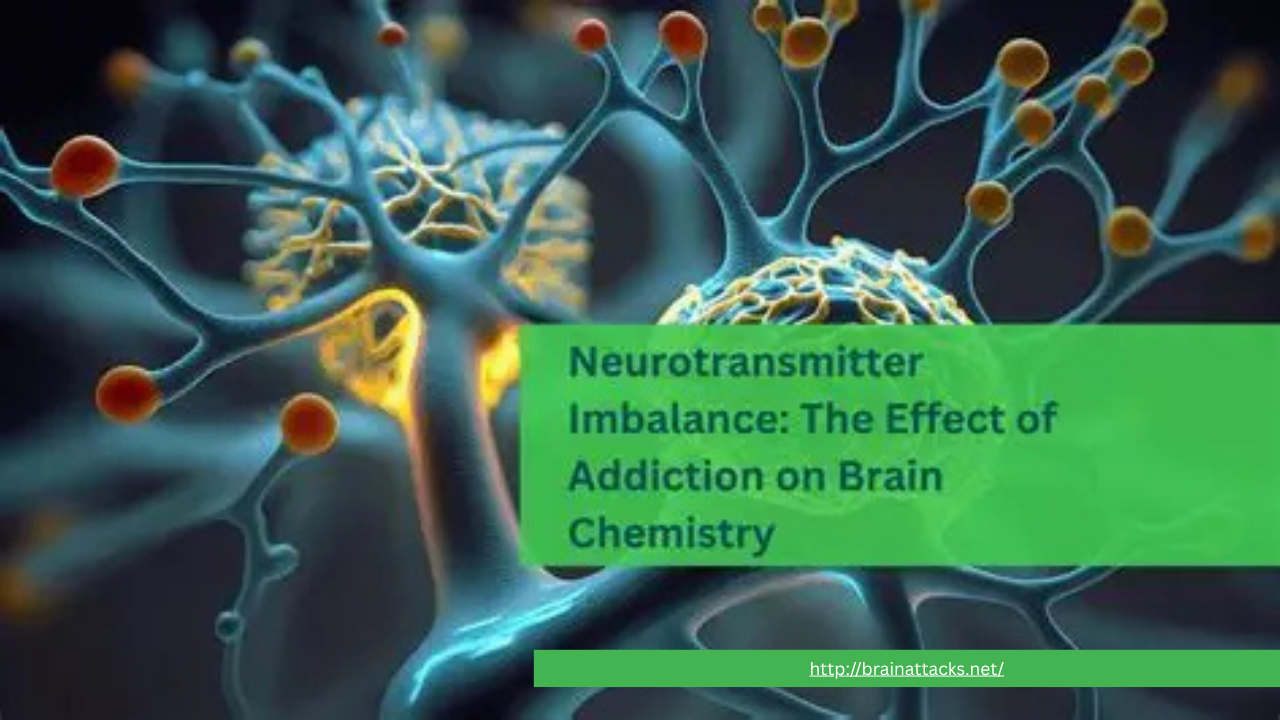
Substance abuse doesn’t just affect behavior—it fundamentally changes how the brain works. Prolonged use of drugs or alcohol disrupts the brain’s chemical balance, leading to emotional disorders like anxiety and depression, while also reinforcing addiction itself. Understanding the biochemical link between addiction and mental health reveals why these conditions often co-occur and why effective treatment must address both.
The Brain’s Chemical Balance
The human brain relies on a delicate balance of neurotransmitters—chemical messengers that regulate mood, motivation, focus, and emotional response. Substances such as alcohol, opioids, stimulants, and cannabis alter the production and activity of these chemicals, throwing the brain into a state of imbalance.
Key neurotransmitters affected by substance abuse include:
- Dopamine: Central to the brain’s reward system, dopamine produces feelings of pleasure and motivation. Addictive substances flood the brain with dopamine, creating intense euphoria and reinforcing repeated use. Over time, natural dopamine production declines, making it hard to feel joy without the substance.
- Serotonin: Responsible for mood stabilization and emotional well-being, serotonin is disrupted by substances like alcohol and ecstasy. Low serotonin levels are strongly linked to depression and anxiety.
- GABA and Glutamate: These neurotransmitters help regulate brain activity. Alcohol and benzodiazepines increase GABA (a calming chemical), while suppressing glutamate (an excitatory one), leading to sedation. Chronic use impairs this balance, contributing to anxiety, panic, and cognitive fog during withdrawal.
Addiction and Emotional Disorders: A Two-Way Street
Anxiety and depression are not just consequences of addiction—they can also be contributing factors. Many people turn to substances to escape emotional pain, numb stress, or self-medicate for underlying mental health issues. Unfortunately, this coping strategy often backfires. While drugs may provide temporary relief, they exacerbate the very symptoms people are trying to manage.
Over time, the brain adapts to the presence of substances by altering its chemistry. This adaptation creates tolerance (needing more of the substance to get the same effect) and dependence (needing the substance to feel “normal”). When substance use stops, withdrawal symptoms—including heightened anxiety and deep depression—can make it incredibly difficult to quit without support.
Long-Term Consequences
Persistent substance use leads to long-term changes in brain function, particularly in areas involved in emotional regulation, stress response, and decision-making. The amygdala (which processes fear and anxiety), the hippocampus (which stores emotional memories), and the prefrontal cortex (which governs logic and impulse control) all show signs of damage in chronic users.
As a result, individuals may experience:
- Heightened sensitivity to stress
- Frequent mood swings
- Emotional numbness or volatility
- Loss of interest in everyday activities
These symptoms often create a vicious cycle—negative emotions lead to more substance use, which worsens brain chemistry, leading to even more emotional suffering.
Healing the Brain
Recovery is possible. The brain is capable of healing through neuroplasticity, but it takes time and the right interventions. Treatment programs that combine medical detox, counseling, medication (such as antidepressants or anti-anxiety meds), and behavioral therapies are most effective.
Holistic approaches—including exercise, nutrition, mindfulness, and strong social support—can also help restore chemical balance and promote emotional healing.
Conclusion
Addiction, anxiety, and depression are deeply interconnected through the brain’s chemistry. Substance abuse alters neurotransmitters in ways that fuel emotional instability and reinforce dependence. By addressing both the addiction and the underlying mental health issues, individuals can begin to restore balance, rebuild their lives, and achieve lasting recovery.