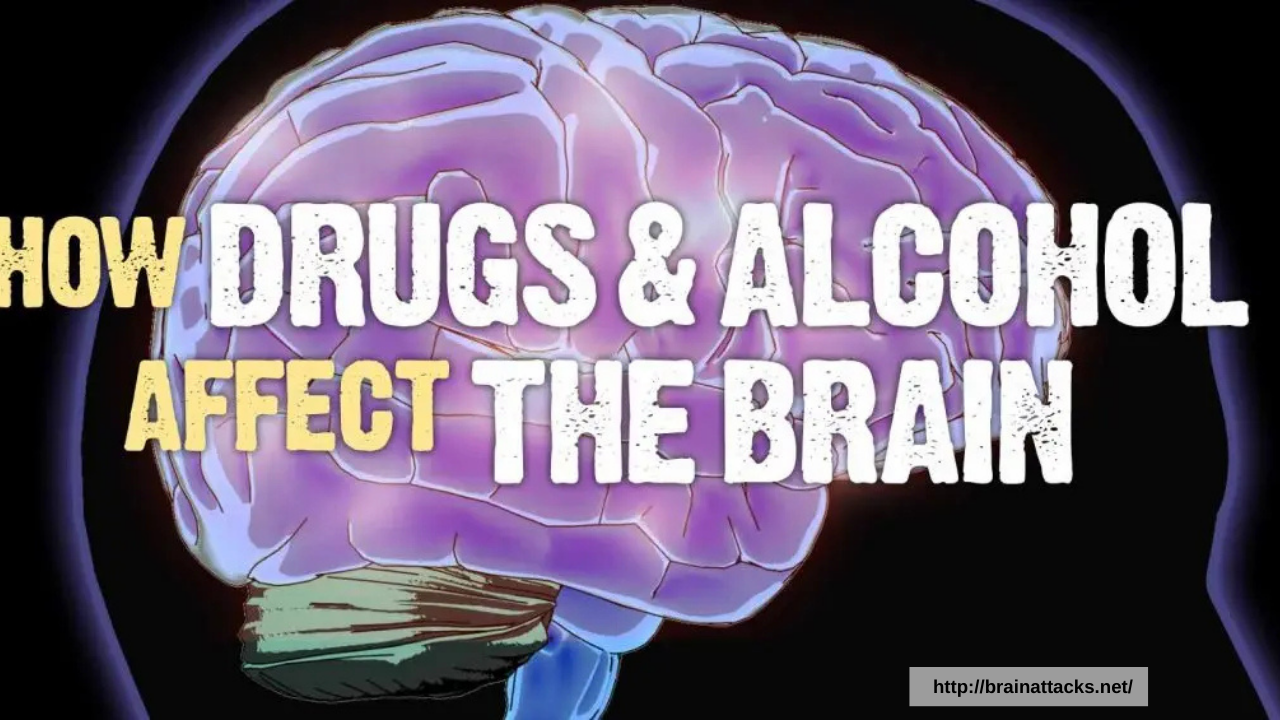
The human brain is one of the most powerful and delicate organs in the body. Every thought, memory, and emotion depends on healthy neural connections. But when drugs or alcohol enter the picture, these pathways can be disrupted in ways that are often invisible at first but devastating over time. Understanding the neurological toll of substance abuse is not only vital for those struggling with addiction but also for their loved ones seeking to help them heal.
How Substance Abuse Impacts the Brain
Repeated drug or alcohol use changes the brain’s chemistry. Substances alter how neurotransmitters like dopamine, serotonin, and glutamate are produced and received. These changes can rewire the brain’s reward system, making the pursuit of the substance a top priority over basic needs like food, relationships, and safety.
Alcohol, opioids, stimulants, and other drugs can damage critical brain regions such as:
- The prefrontal cortex: Responsible for decision-making, impulse control, and judgment.
- The hippocampus: Vital for memory formation and learning.
- The amygdala: Regulates emotions and stress responses.
Over time, this neurological damage can impair cognitive ability, emotional stability, and self-control.
Short-Term Disruptions with Long-Term Costs
In the short term, substance use can cause confusion, mood swings, memory lapses, and poor judgment. While some of these effects fade when the substance leaves the body, repeated use compounds the damage. Long-term effects may include chronic memory loss, depression, anxiety disorders, and even permanent cognitive decline.
For younger people, the risks are especially high. A brain that is still developing is more vulnerable to structural and functional changes caused by drugs and alcohol, which can have lifelong consequences.
The Role of Holistic and Faith-Based Recovery
Healing from brain damage caused by addiction requires more than detox. It calls for a comprehensive approach that addresses the physical, emotional, and spiritual aspects of recovery. At organizations committed to holistic care, treatment may include:
- Medical support to stabilize and protect neurological health.
- Counseling and therapy to rebuild decision-making skills and emotional resilience.
- Faith-based programs to provide hope, purpose, and a renewed sense of self.
- Lifestyle changes like nutrition, exercise, and mindfulness practices to support brain repair.
By combining these strategies, recovery programs give individuals the tools to rewire the brain in healthier ways.
Hope for Brain Healing
The good news is that the brain has remarkable neuroplasticity, meaning it can adapt and recover over time. While some damage may be permanent, many people experience significant improvements in memory, mood, and motivation after sustained sobriety. The key is to begin treatment as soon as possible to prevent further harm.
Drugs and alcohol do more than cause temporary highs or lows. They place neurons under siege, slowly dismantling the brain’s ability to function at its best. If you or someone you love is caught in the cycle of addiction, know that help is available. With the right medical, emotional, and spiritual support, it is possible to restore balance, rebuild neural pathways, and reclaim a healthy, purposeful life.