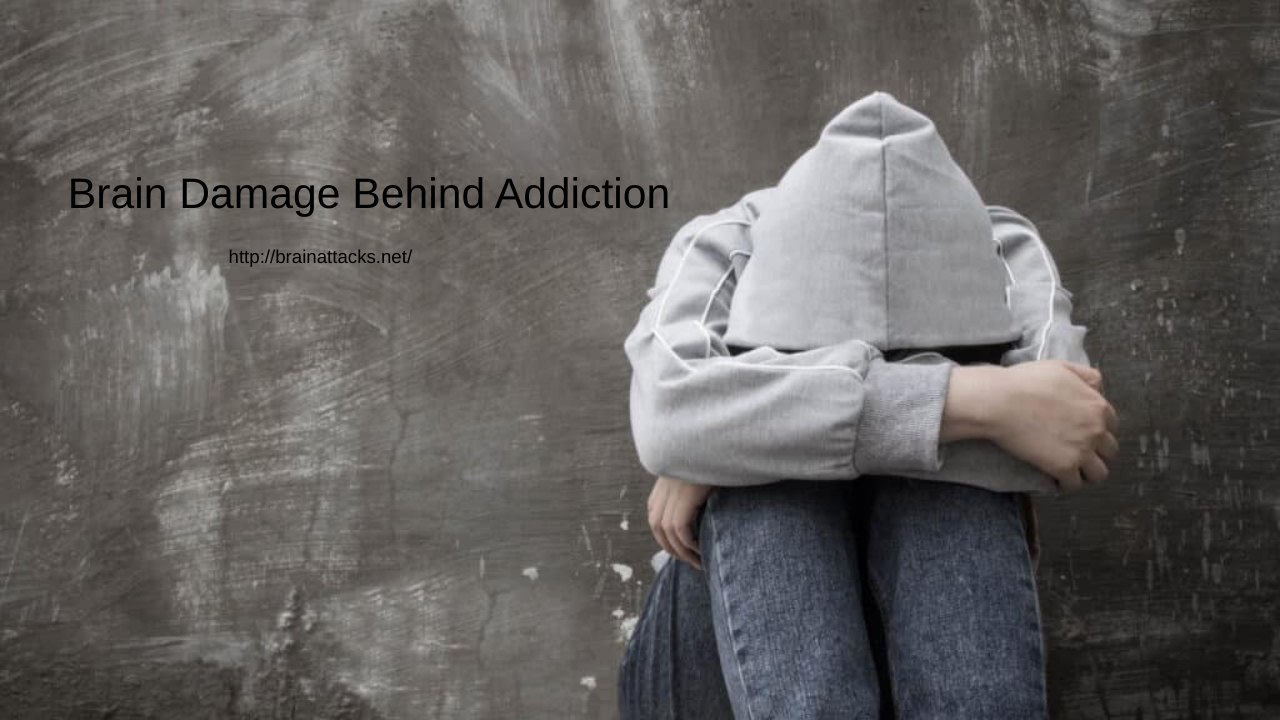
Addiction is often misunderstood as a simple lack of willpower. In reality, it is a complex neurological condition that rewires the brain’s circuitry, changing how people think, feel, and behave. Drugs and alcohol alter brain chemistry, damage vital structures, and hijack natural reward systems. At BrainAttacks.net, we recognize that addiction is a brain-based illness that requires compassionate, individualized treatment to promote true healing and long-term recovery.
How Addiction Alters Brain Function
Substances like alcohol, opioids, and stimulants interfere with the brain’s communication system. They flood it with chemicals such as dopamine, which creates temporary pleasure and reinforces drug-seeking behavior. Over time, these substances disrupt normal neurotransmitter activity, weakening the brain’s ability to function without them.
The Reward System Under Siege
The brain’s reward pathway is designed to encourage healthy behaviors like eating, bonding, and achieving goals. When hijacked by drugs or alcohol, this system becomes fixated on the substance. Everyday joys no longer bring satisfaction, and the brain prioritizes the addictive substance above all else. This explains why addiction persists even when someone wants to stop.
Damage to Critical Brain Regions
Addiction impacts more than the reward system. The prefrontal cortex, responsible for decision-making and self-control, weakens over time. The hippocampus, central to memory and learning, can shrink with long-term substance abuse. The amygdala, which regulates stress and emotions, becomes hyperactive, leaving individuals vulnerable to anxiety, irritability, and depression. These changes reinforce the cycle of addiction and make recovery challenging without professional support.
The Emotional and Cognitive Cost
Addiction is not only about cravings and withdrawal. It profoundly affects mood, motivation, and cognition. Many people in active addiction struggle with:
- Impaired memory and concentration
- Heightened anxiety or depressive symptoms
- Poor decision-making and impulsivity
- Reduced motivation to pursue goals and relationships
These struggles are direct consequences of damaged brain circuits and not a reflection of personal weakness. Recognizing this distinction is vital to breaking the stigma surrounding addiction.
Can the Brain Heal from Addiction?
The good news is that the brain has a remarkable ability to heal through neuroplasticity. With proper treatment and support, new pathways can form, and damaged circuits can slowly recover. At BrainAttacks.net, our approach combines evidence-based therapies, faith-based support, and holistic healing practices that strengthen both brain and spirit.
Inpatient and Outpatient Options
Our inpatient programs provide structure and stability for individuals in early recovery, while outpatient care allows for continued support as clients reintegrate into daily life. Each plan is personalized, ensuring care that meets the unique needs of every individual.
Holistic and Faith-Based Healing
Healing the brain requires more than clinical care. We believe in nurturing the whole person. From mindfulness and nutrition to faith-based counseling, our programs help clients rebuild emotional strength, restore hope, and rediscover purpose.
Taking the First Step Toward Recovery
Addiction hijacks the brain’s circuits, creating real neurological damage that impacts every aspect of life. But recovery is possible. With compassionate treatment, the brain can heal, and individuals can regain clarity, balance, and joy. If you or a loved one is struggling, BrainAttacks.net is here to help with personalized, faith-centered, and holistic recovery solutions. Reach out today and take the first step toward lasting freedom and healing.