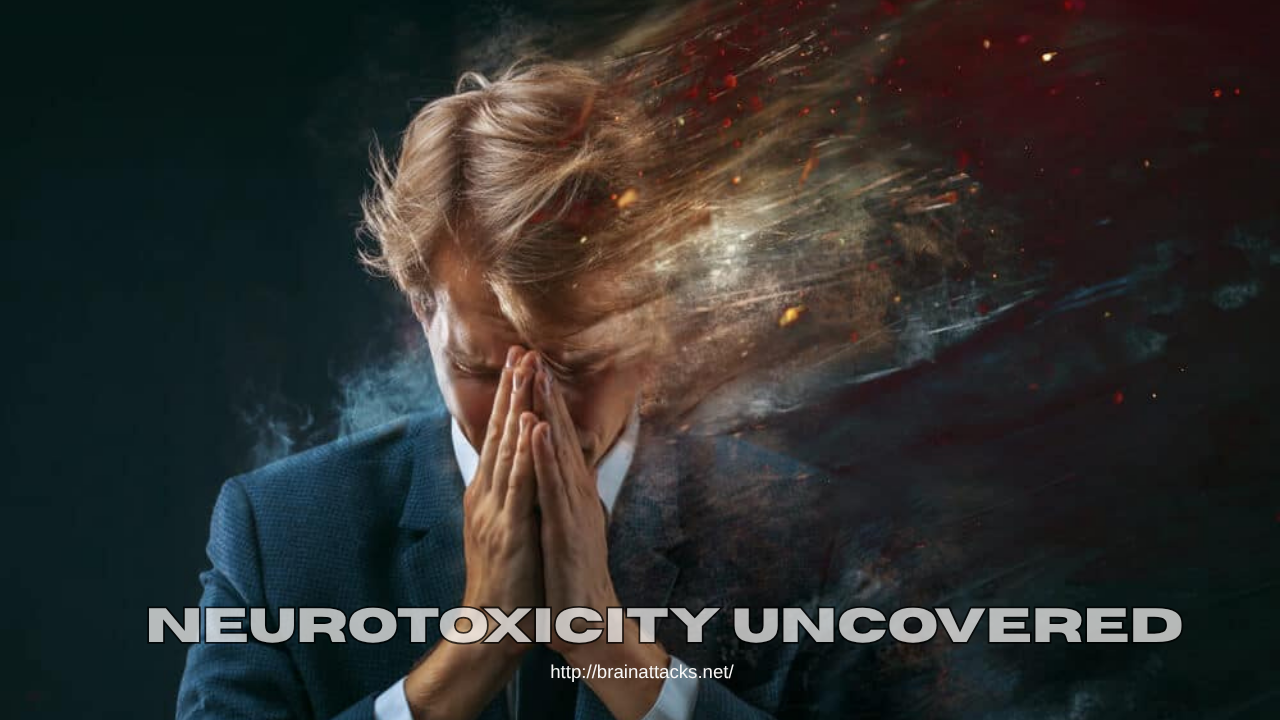
The human brain is designed to learn, adapt, and regulate everything from thoughts to emotions to movement. But when drugs and alcohol enter the picture, they can disrupt these delicate systems, leading to long-term harm. This process, known as neurotoxicity, occurs when toxic substances damage nerve cells and brain tissue. Over time, addiction can impair memory, destabilize mood, and weaken motor coordination. At BrainAttacks.net, we help individuals heal from this hidden damage through compassionate, science-based, and faith-centered recovery programs that restore both brain and spirit.
How Neurotoxicity Develops in the Addicted Brain
When someone repeatedly uses drugs or alcohol, their brain is exposed to high levels of harmful chemicals. These substances overstimulate the nervous system, interfere with communication between neurons, and reduce the brain’s ability to repair itself.
The Cycle of Chemical Overload
Substances such as alcohol, opioids, and stimulants flood the brain with neurotransmitters like dopamine and serotonin. While this initially creates feelings of euphoria, the constant overstimulation leads to oxidative stress and inflammation, damaging neurons over time. Once the brain becomes dependent on this chemical overload, natural balance is lost, and neurotoxicity begins to set in.
Structural and Functional Damage
Prolonged exposure to neurotoxic substances can shrink or alter key brain regions responsible for memory, emotion, and movement. This includes:
- Hippocampus: The center for learning and memory. Damage here can cause forgetfulness and difficulty forming new memories.
- Amygdala and prefrontal cortex: These regulate emotion and decision-making. When compromised, individuals may experience anxiety, mood swings, and poor impulse control.
- Cerebellum and motor cortex: These control coordination and movement. Neurotoxicity can lead to tremors, slowed reactions, and balance problems.
The longer substance abuse continues, the more difficult it becomes for the brain to recover without professional help.
The Real-World Consequences: Memory, Mood, and Movement
Memory Impairment
Many people struggling with addiction experience lapses in memory or difficulty focusing. These cognitive changes can interfere with work, relationships, and daily responsibilities. Over time, chronic substance use can even lead to long-term memory loss, making recovery and learning new coping skills more challenging.
Mood Instability and Emotional Turmoil
Because drugs and alcohol disrupt neurotransmitters that regulate mood, many individuals develop symptoms of depression, anxiety, or irritability. Emotional highs and lows become more pronounced, and motivation begins to fade. In recovery, rebalancing these systems is essential to achieving lasting emotional stability.
Impaired Motor Skills
Substance-induced neurotoxicity can also affect the body’s ability to move smoothly. People may experience slower reaction times, difficulty with coordination, or tremors. These physical effects are often overlooked but can impact safety, self-confidence, and quality of life.
Healing the Brain: Hope Beyond Neurotoxicity
The damage caused by addiction is serious, but it is not always permanent. The brain has a remarkable ability to heal through neuroplasticity—its natural capacity to rebuild connections and restore function. With the right support and treatment, recovery can bring both mental clarity and renewed vitality.
A Holistic and Faith-Based Approach to Healing
At BrainAttacks.net, recovery begins with compassion and personalized care. Our team offers inpatient and outpatient programs designed to support every stage of healing. Through evidence-based therapies, nutritional support, spiritual guidance, and mindfulness practices, clients learn to restore brain function and emotional balance.
Restoring Memory, Mood, and Movement
Our holistic approach focuses on rebuilding both cognitive and physical wellness. Techniques such as cognitive behavioral therapy, exercise therapy, and mindfulness training help restore brain health, improve mood regulation, and enhance coordination. Clients rediscover confidence as their bodies and minds begin to heal.
Reclaiming Your Mind and Your Future
Addiction may damage the brain, but recovery can repair it. By addressing neurotoxicity through professional treatment and faith-based healing, individuals can reclaim their memory, emotional stability, and physical strength. At BrainAttacks.net, we believe that every person deserves the chance to recover with dignity and hope. If you or someone you love is struggling with addiction, reach out today. Healing begins with understanding—and continues with the right support.