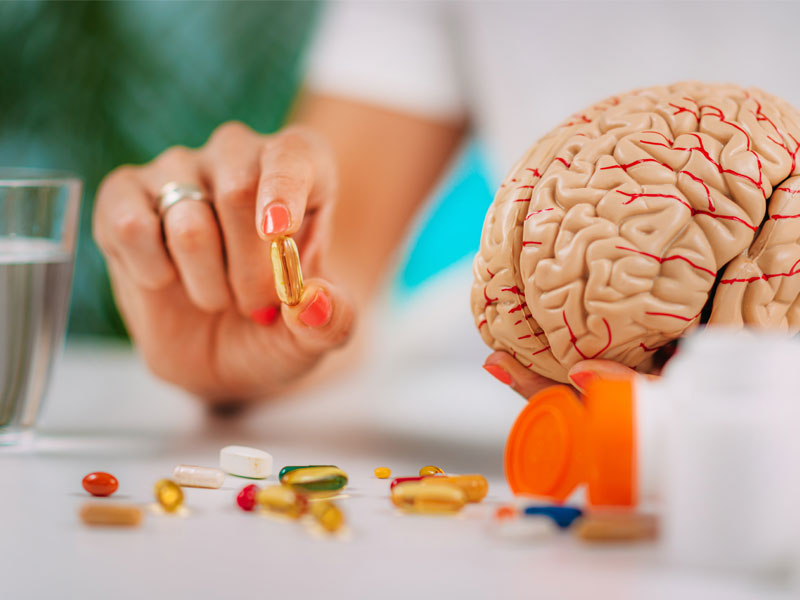
Substance abuse is more than a behavioral problem—it is a neurological assault. Drugs and alcohol can induce neurotoxicity, damaging neurons and disrupting communication between brain regions. This damage can impair memory, attention, and self-control, creating lasting challenges that affect every aspect of life. At BrainAttacks.net, we provide compassionate, individualized care to help individuals understand the science behind these effects and guide them on a path toward healing, recovery, and restored brain function.
Understanding Neurotoxicity
Neurotoxicity occurs when substances harm the nervous system, interfering with the brain’s ability to function normally. Different drugs affect the brain in distinct ways, but most share a common pattern: they alter neurotransmitters, overactivate certain pathways, and reduce the brain’s natural ability to repair itself.
How Drugs Disrupt Memory and Learning
The hippocampus, the brain’s center for memory formation, is particularly vulnerable to neurotoxic effects. Chronic use of alcohol, cocaine, or methamphetamine can shrink hippocampal neurons, leading to memory lapses and difficulty learning new information. Individuals may struggle to retain important details, recall past experiences, or concentrate on everyday tasks. Over time, these deficits can interfere with education, work performance, and personal relationships.
Impaired Focus and Attention
Neurotoxicity also affects the prefrontal cortex, the brain region responsible for executive function. This area governs planning, organization, and attention. Substance-induced damage can result in difficulty concentrating, poor decision-making, and an inability to manage complex tasks. Daily life becomes a constant challenge as the brain’s ability to prioritize and regulate focus diminishes.
Loss of Self-Control and Impulse Regulation
Addiction compromises the neural circuits that regulate impulses. The more the brain is exposed to addictive substances, the more it prioritizes immediate rewards over long-term goals. This neurological rewiring makes resisting cravings extremely difficult, perpetuating cycles of compulsive behavior and further damaging neural pathways.
The Long-Term Effects of Neurotoxicity
The impact of neurotoxicity is not limited to cognitive deficits. Emotional regulation and stress response are also affected. Damage to the amygdala can increase anxiety, irritability, and susceptibility to depression. Motor coordination may decline as cerebellar neurons are affected, resulting in slower reaction times and diminished physical control.
These changes can make recovery feel overwhelming. Many individuals experience frustration, low motivation, and self-doubt as they navigate cognitive and emotional challenges caused by neurotoxicity.
Healing the Brain Through Comprehensive Recovery
While neurotoxicity presents serious challenges, the brain is remarkably resilient. Neuroplasticity—the brain’s ability to form new neural connections—enables recovery when combined with structured care.
Personalized Inpatient and Outpatient Programs
BrainAttacks.net provides tailored inpatient and outpatient programs that address both the physical and psychological consequences of neurotoxicity. Through medically supervised detox, therapy, and continuous support, individuals regain stability and safety during the early stages of recovery.
Holistic and Faith-Based Approaches
Recovery is most effective when it treats the whole person. Nutrition, exercise, mindfulness, and faith-based guidance support neural repair and emotional balance. These interventions help the brain restore cognitive function while nurturing overall well-being.
Cognitive Rehabilitation and Therapy
Cognitive Behavioral Therapy (CBT) and trauma-informed counseling retrain the brain to manage stress, regulate impulses, and rebuild memory and attention. Combined with support groups and structured routines, these therapies enable individuals to reclaim focus, self-control, and motivation.
Reclaim Your Brain, Reclaim Your Life
Neurotoxicity may damage the brain, but it does not have to define your future. With the right combination of compassionate care, holistic support, and evidence-based therapy, the brain can recover. At BrainAttacks.net, we help individuals rebuild memory, focus, and self-control while addressing the emotional and spiritual dimensions of recovery.
If you or a loved one is struggling with addiction, reaching out today is the first step toward healing, restored brain function, and a life of clarity and purpose.