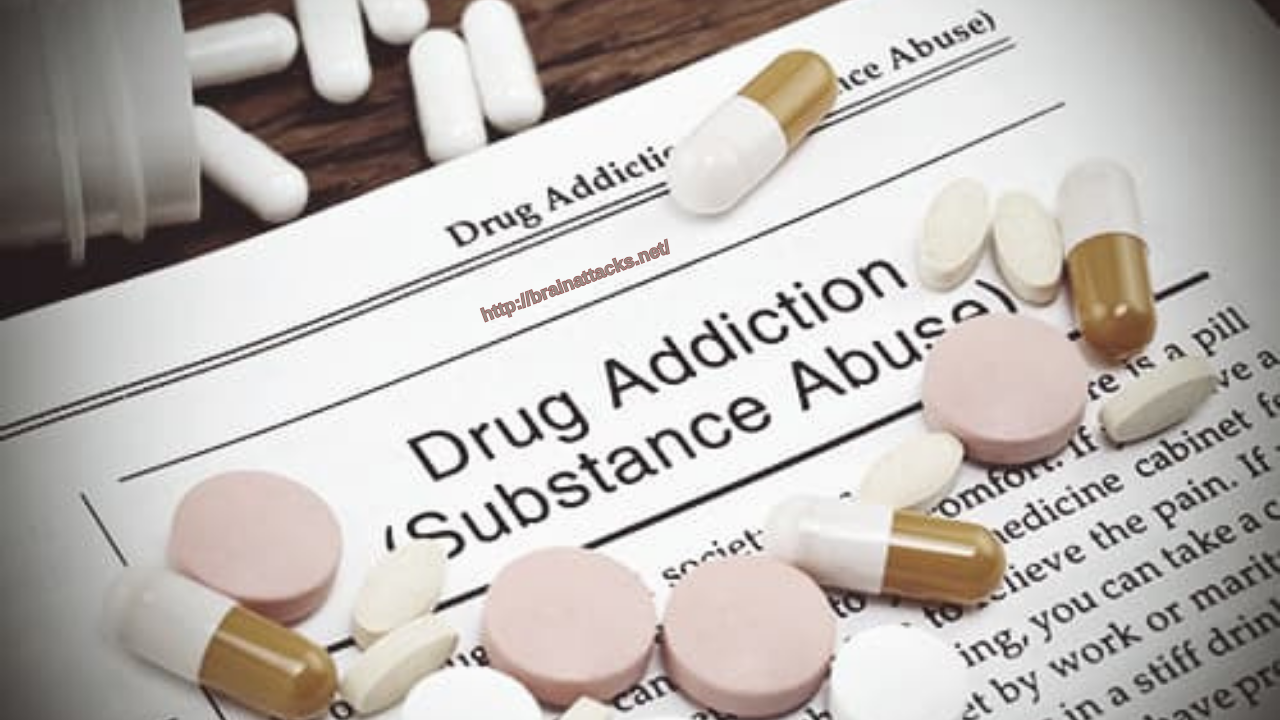
Addiction is more than a struggle with cravings. It is a neurological condition that disrupts the brain’s most vital systems, reshaping how we think, feel, and act. Drugs and alcohol can damage brain cells, interfere with neurotransmitter function, and weaken essential regions responsible for memory, decision-making, and emotional stability. At BrainAttacks.net, we believe that understanding the science behind these changes is the first step toward meaningful recovery. With compassionate care and holistic healing, the brain can begin to repair itself, and life can be restored.
How Substances Interfere with Brain Function
The brain relies on delicate chemical and electrical communication to operate effectively. When substances like alcohol, opioids, or stimulants are introduced, this balance is disrupted, and the brain’s natural rhythm begins to falter.
The Hijacked Reward System
Addictive substances flood the brain with dopamine, the chemical responsible for pleasure and motivation. While this surge initially creates a powerful high, long-term use rewires the reward system. Everyday joys like spending time with family or achieving goals lose their appeal, while the brain becomes singularly focused on obtaining the substance.
Structural Damage to Key Regions
Substance abuse does not just alter brain chemistry. It physically damages important areas:
- Prefrontal cortex: Weakens decision-making and self-control, leading to impulsivity.
- Hippocampus: Shrinks with prolonged alcohol or drug use, causing memory lapses.
- Amygdala: Becomes overactive, fueling anxiety, fear, and mood swings.
These changes deepen the cycle of addiction and make independent recovery difficult without professional support.
The Cognitive and Emotional Decline
Substance-induced brain damage often shows up in ways that affect daily life:
- Struggles with memory and concentration
- Increased irritability or depressive symptoms
- Difficulty regulating emotions
- Reduced motivation and impaired judgment
These challenges are not signs of weakness but rather the direct result of neurological disruption. Recognizing this reality helps break down stigma and encourages compassion for those struggling with addiction.
The Path Toward Healing
While the brain can be severely affected by drugs and alcohol, it also has a remarkable ability to heal through neuroplasticity. With the right treatment and support, individuals can regain cognitive strength, emotional stability, and renewed purpose.
Inpatient and Outpatient Recovery Programs
At BrainAttacks.net, we offer both inpatient and outpatient programs. Inpatient care provides a safe, structured environment for those needing intensive support, while outpatient programs allow for flexibility and continued healing in daily life.
Holistic and Faith-Based Approaches
We know that true recovery goes beyond medical treatment. That is why we integrate holistic practices such as mindfulness, nutrition, and exercise, alongside faith-based guidance. This approach nurtures the whole person—mind, body, and spirit—helping clients reconnect with themselves and their values.
Rebuilding Cognitive and Emotional Health
Therapies like cognitive behavioral therapy, group counseling, and stress management techniques are vital in retraining the brain. These tools support the healing of damaged circuits and empower individuals to create healthy, lasting changes.
Hope Beyond the Brink
Substance-induced brain damage may leave individuals feeling trapped in decline, but healing is possible. By combining neuroscience, holistic healing, and compassionate care, BrainAttacks.net helps people move from survival to thriving. If you or a loved one is struggling, now is the time to seek help. Reach out today and take the first step toward restoring your brain, your health, and your future.