Addiction is not just a matter of poor choices or lack of willpower. It is a chemical takeover that changes how the brain functions at its most basic level. When drugs or alcohol are repeatedly introduced into the system, they disrupt the brain’s delicate balance of neurotransmitters, hijacking reward pathways and reshaping decision-making processes. At BrainAttacks.net, where faith-based and holistic healing guide our addiction recovery programs, we help individuals understand these neurological changes so they can begin the journey toward restoration and renewal.
The Brain’s Reward System: A Target of Chemical Manipulation
The human brain is wired to reward healthy behaviors—like eating, connecting with loved ones, and achieving goals—by releasing dopamine, the neurotransmitter responsible for pleasure and motivation. Substances such as opioids, alcohol, and stimulants exploit this system.
How Substances Hijack Dopamine
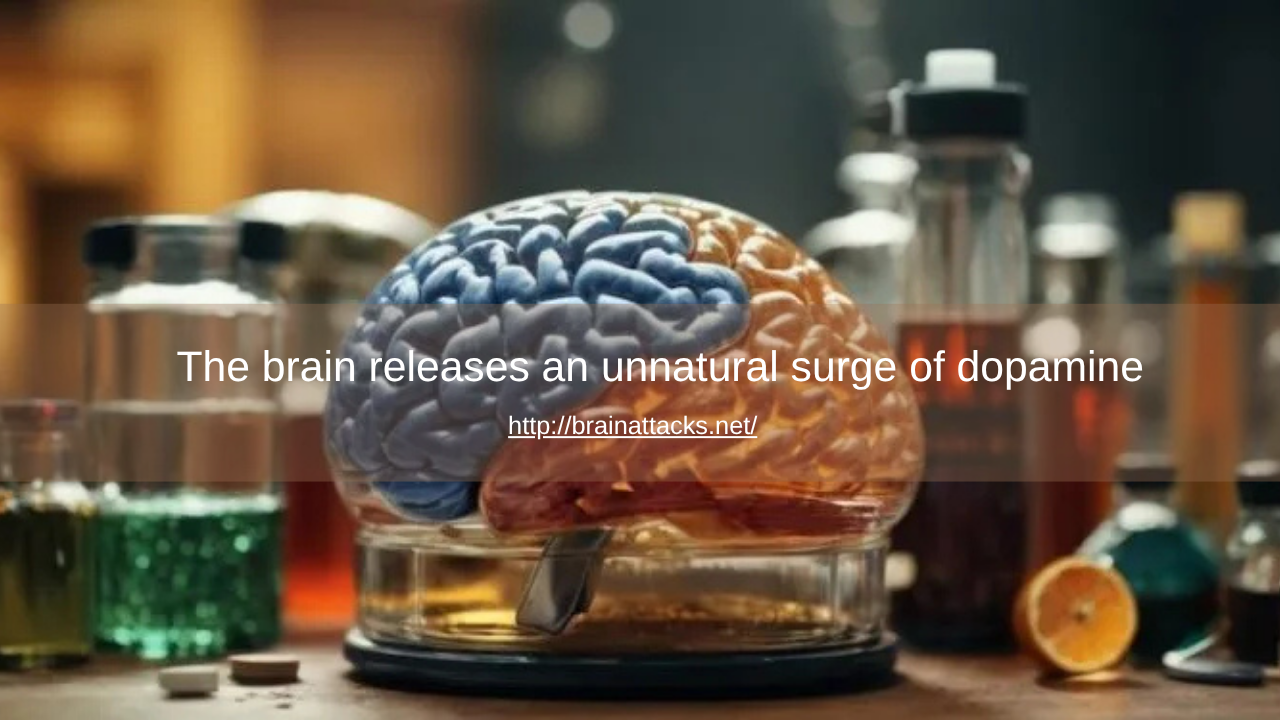
When someone uses an addictive substance, the brain releases an unnatural surge of dopamine. The pleasure that follows is intense, reinforcing the desire to repeat the experience. However, the brain quickly adapts to these surges, producing less dopamine naturally. This leads to tolerance and dependence—individuals begin to need more of the substance just to feel normal.
Over time, everyday joys lose their meaning. Activities that once brought satisfaction no longer register because the brain’s chemistry has been rewired to chase only one reward: the substance itself.
Impaired Decision-Making: When Logic Loses Control
Addiction also damages the prefrontal cortex, the part of the brain responsible for reasoning, judgment, and self-control. This explains why individuals struggling with addiction may continue using even when they know it is harming them.
The Breakdown of Impulse Control
As the prefrontal cortex weakens, impulsivity rises. The brain becomes trapped in a repetitive cycle: cravings trigger use, which temporarily relieves discomfort, only to intensify cravings again. This neurological loop makes quitting feel nearly impossible without structured help and therapy.
At BrainAttacks.net, our inpatient and outpatient programs use evidence-based therapies to help clients retrain their brains. Cognitive Behavioral Therapy (CBT), mindfulness, and faith-centered support allow the mind to rebuild self-awareness and strengthen decision-making over time.
Emotional Instability and Memory Impairment
The emotional centers of the brain, particularly the amygdala and hippocampus, are also affected by substance use. These areas regulate stress responses and store emotional memories.
Emotional Chaos and Cognitive Decline
Prolonged substance abuse can cause anxiety, depression, irritability, and memory loss. Emotional highs and lows become unpredictable, and individuals may struggle to remember important events or conversations. This instability further fuels the cycle of addiction, as substances become a coping mechanism for managing emotional pain.
Recovery involves more than just detoxing from a substance—it requires healing these damaged brain regions. Holistic treatments, such as meditation, nutrition therapy, and spiritual counseling, play an important role in restoring balance to both the brain and the spirit.
The Path to Healing: Rewiring the Brain Through Recovery
The most hopeful truth about addiction is that the brain can heal. Neuroplasticity—the brain’s ability to form new connections—makes recovery possible. With time, consistent therapy, and holistic support, damaged neural pathways can reorganize, restoring healthier patterns of thought, emotion, and behavior.
Restoring Balance Through Faith and Science
At BrainAttacks.net, we combine medical expertise with compassionate, faith-based care to support every aspect of recovery. Our individualized treatment plans include both clinical therapies and spiritual guidance to help clients rebuild their lives from the inside out. Healing begins by addressing not only the chemical damage caused by addiction but also the emotional and spiritual wounds that often accompany it.
Take Back Your Mind, Reclaim Your Life
Addiction is chemical sabotage, but it is not permanent. The brain can recover, and a new story can begin—one built on healing, clarity, and hope. Through compassionate care and evidence-based treatment, BrainAttacks.net helps individuals restore balance and rediscover purpose.
If you or someone you love is struggling with addiction, reach out today. Healing starts when you take the first step toward reclaiming your mind and your future.