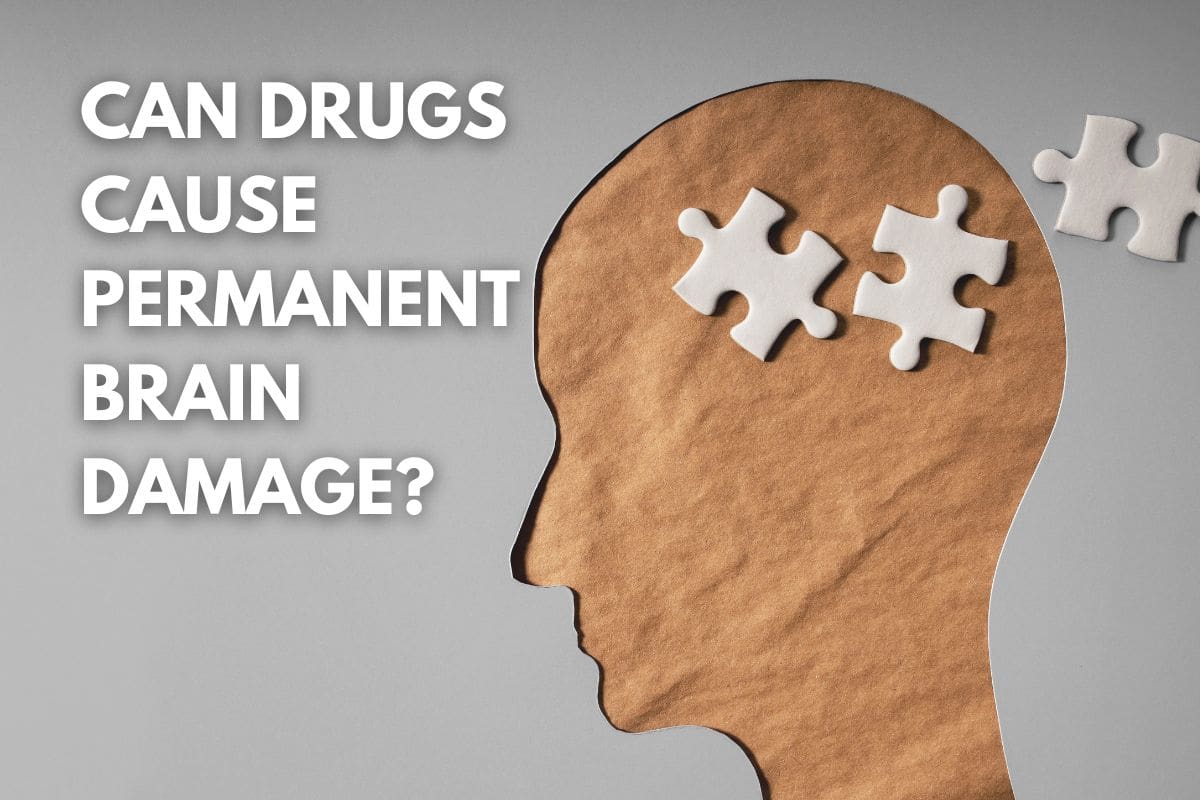
Addiction is a medical condition that affects more than behavior or lifestyle. It physically changes the brain, altering how people think, feel, and make decisions. These changes make quitting drugs or alcohol extremely challenging without professional support. Understanding how addiction works in the brain provides clarity, reduces shame, and highlights why compassionate, evidence-based treatment is essential. At Brain Attacks, we offer individualized programs that combine addiction recovery, mental health treatment, and holistic care to support long-term healing.
How Drugs Change the Brain
The brain communicates through networks of neurons that rely on chemical messengers called neurotransmitters. Drugs interfere with these signals, producing intense short-term pleasure but creating long-term disruptions in brain function. Repeated substance use rewires neural pathways, reinforcing drug-seeking behavior and making natural rewards less satisfying.
The Role of the Reward System
Many addictive substances increase dopamine, a neurotransmitter linked to pleasure, motivation, and learning. The surge of dopamine produces euphoria, but over time, the brain reduces its natural production. This imbalance makes normal activities less rewarding and strengthens the dependence on substances. Recognizing these changes helps explain why addiction is not a personal failing but a biological condition.
Impacts on Decision Making and Self Control
The prefrontal cortex, responsible for judgment, planning, and impulse control, is particularly vulnerable to substance abuse. When this region is impaired, individuals may make decisions that reinforce addiction, even when they understand the negative consequences. This biological perspective underscores the importance of professional treatment to help restore healthy brain function.
Mental Health and Addiction
Addiction often coexists with mental health conditions such as anxiety, depression, or trauma. Substance abuse can worsen these conditions, creating a cycle that affects emotional regulation, cognitive function, and overall well-being.
Cognitive and Emotional Consequences
Chronic drug use can lead to difficulties with memory, focus, and problem-solving. Emotionally, individuals may experience irritability, mood swings, or emotional numbness. These effects highlight the importance of integrating mental health treatment into recovery programs.
Integrated Care for Co-Occurring Conditions
Brain Attacks offers comprehensive care that addresses both addiction and mental health. Counseling, therapy, and medical support help individuals develop coping strategies, manage stress, and rebuild emotional balance, improving overall recovery outcomes.
Pathways to Healing the Brain
While addiction causes significant changes in the brain, recovery is possible. The brain’s neuroplasticity allows it to form new connections, restore balance, and regain healthy function.
Inpatient and Outpatient Treatment Options
Inpatient programs provide structured, around-the-clock care for severe addiction, while outpatient programs offer flexibility with ongoing counseling and therapy. Both approaches support brain recovery and equip individuals with the tools to maintain sobriety.
Holistic and Faith-Based Approaches
Holistic therapies such as mindfulness, exercise, nutrition, and stress management support neural repair and overall wellness. Faith-based care provides spiritual guidance, community support, and a sense of purpose, complementing medical and psychological treatment to foster resilience and long-term recovery.
Personalized Recovery Plans
No two recovery journeys are the same. Individualized treatment plans at Brain Attacks address the neurological effects of substance use while meeting the unique needs of each client. Through therapy, skill-building, and ongoing support, clients can rebuild brain function and improve their emotional and cognitive health.
Taking the First Step Toward Recovery
Understanding the science of addiction empowers individuals and families to approach recovery with clarity and hope. Addiction may alter the brain, but it does not define the future. With compassionate care, evidence-based treatment, and personalized support, lasting healing is possible.
At Brain Attacks, our programs combine addiction recovery, mental health treatment, and holistic approaches to help clients restore brain health, rebuild their lives, and achieve lasting sobriety. If you or a loved one is struggling with substance abuse, reach out today to begin the journey toward a healthier brain and a brighter future.