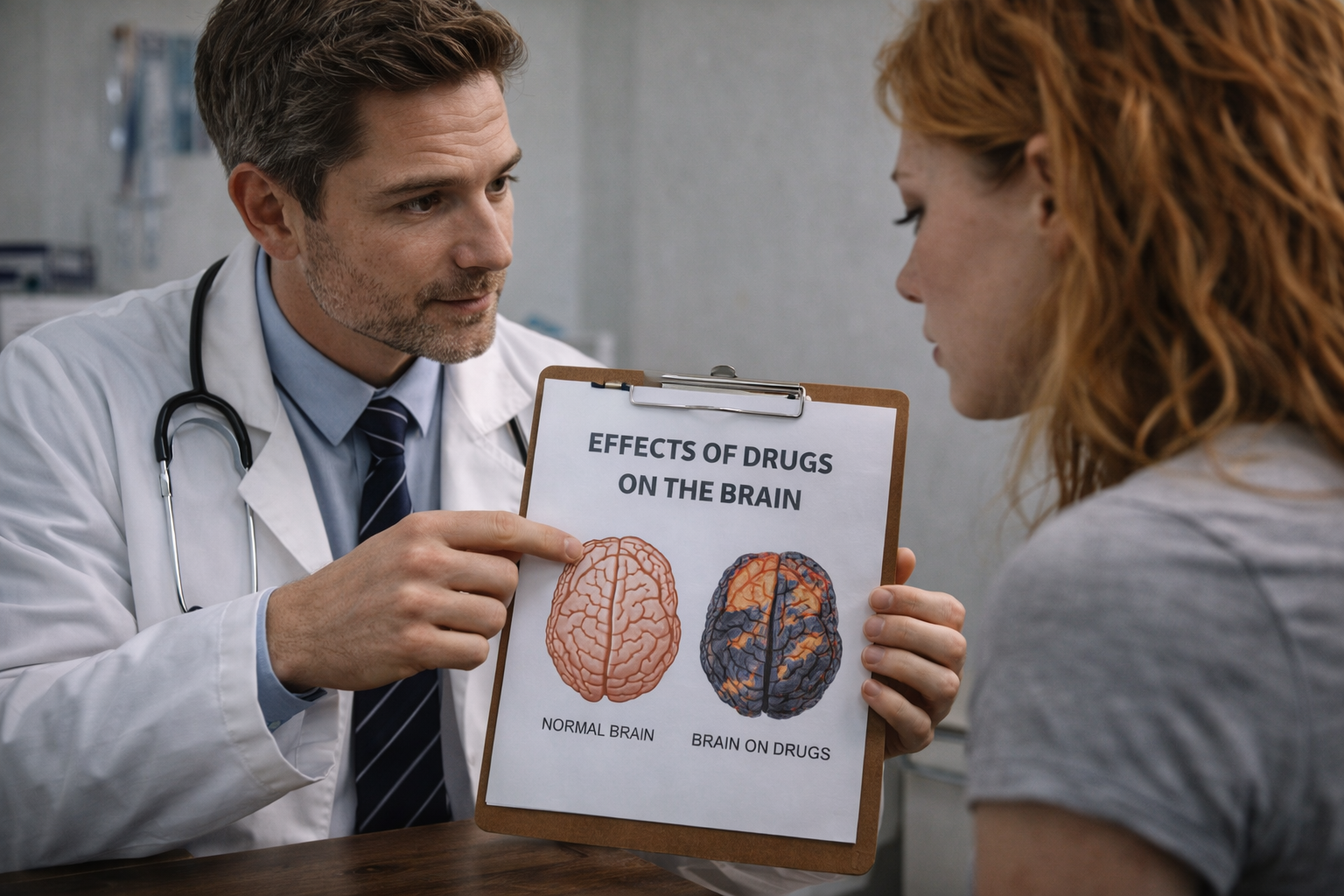
Cravings are not simply a matter of wanting a substance badly enough. For someone experiencing addiction, cravings can reflect real changes in the brain that affect motivation, reward, stress, memory, and decision-making. Repeated substance use can gradually shift the brain toward prioritizing drugs or alcohol over other needs, making it increasingly difficult to stop even when serious consequences develop. Understanding these changes can help remove some of the shame surrounding addiction and replace it with a more productive question: What kind of support can help the brain and the person recover? With comprehensive addiction treatment, mental health care, and individualized support, recovery can begin and healthy patterns can be rebuilt.
How Substance Abuse Changes the Brain
The brain is constantly adapting to experiences. This ability, known as neuroplasticity, allows people to learn new skills, form memories, and adjust to changing circumstances. Unfortunately, it also means that repeated exposure to addictive substances can alter normal brain processes.
Many addictive substances affect neurotransmitters and neural pathways involved in pleasure, motivation, stress, and self-control. These effects can be especially powerful because drugs can produce chemical signals that are much stronger or more rapid than those associated with many natural rewards.
The Reward System Becomes Focused on the Substance
Dopamine is one of the brain chemicals involved in reward and motivation. It helps reinforce behaviors that are important for survival, such as eating and social connection.
Drugs can produce unusually strong reward signals. With repeated use, the brain adapts to these effects. Natural rewards may begin to feel less satisfying, while obtaining and using the substance becomes increasingly important.
This helps explain why someone struggling with addiction may lose interest in hobbies, relationships, work, or other activities that once brought satisfaction.
Tolerance Can Strengthen the Cycle
Repeated substance use can lead to tolerance. This means a person may need more of the substance to experience effects that once occurred with smaller amounts.
Tolerance can increase the risks associated with substance use. It can also contribute to dependence, in which the brain and body become accustomed to having the substance present.
When substance use stops, withdrawal symptoms may occur. These symptoms can make returning to the substance feel like the quickest way to obtain relief.
Why Addiction Creates Powerful Cravings
Cravings are among the most challenging parts of addiction recovery. They can be triggered by more than physical dependence.
The brain learns associations between substance use and specific environments, people, emotions, routines, and situations. Over time, these cues can activate memories and reward pathways connected to previous substance use.
Common Craving Triggers
Triggers can include:
- Stress at work or home
- Arguments or relationship problems
- Certain friends or social environments
- Places associated with previous substance use
- Music, smells, or other familiar reminders
- Loneliness or boredom
- Anxiety, sadness, or anger
- Celebrations and social situations
A craving does not mean that recovery has failed. It is a signal that deserves attention and a healthy response.
Learning to identify triggers can make it easier to interrupt the pattern before a craving turns into substance use.
How Addiction Can Affect Decision-Making
Substance abuse can affect brain regions involved in judgment, planning, and impulse control. As addiction progresses, immediate reward may become more influential than long-term consequences.
Why Knowing the Consequences Is Not Always Enough
A person may understand that continued substance use could damage their health, career, finances, or relationships and still feel unable to stop.
That conflict is one of the painful realities of addiction. Knowledge alone does not necessarily overcome changes in reward processing, stress responses, and self-control.
Professional treatment can provide practical tools for managing cravings and strengthening healthier decision-making. Therapy can also help individuals understand the emotional and environmental factors that make substance use more likely.
Substance Abuse Can Affect Mental Health
Addiction and mental health concerns often influence each other. Some individuals use substances while trying to manage anxiety, depression, trauma, grief, or overwhelming stress. In other cases, prolonged substance use contributes to worsening emotional symptoms.
Either situation can create a difficult cycle.
Anxiety, Depression, and Emotional Distress
Substance use may provide temporary relief from uncomfortable emotions. However, the relief is often short-lived. As the effects wear off, anxiety, irritability, sadness, or other difficult feelings may return.
Over time, relying on substances to regulate emotions can prevent the development of healthier coping skills.
For this reason, mental health treatment can be an important part of addiction recovery. Addressing underlying emotional concerns gives individuals additional tools for managing distress without returning to substance use.
What Happens to the Brain During Recovery?
Recovery does not mean the brain immediately returns to its previous state. Healing is gradual and can look different for every individual.
As substance use decreases or stops, the brain has an opportunity to adjust. Healthy behaviors, therapy, adequate sleep, nutrition, physical activity, and social connection can support this process.
Cravings Can Become More Manageable
Early recovery may involve frequent or intense cravings. Over time, however, many people learn to recognize their triggers and respond differently.
A craving can become an opportunity to practice a recovery skill rather than an automatic reason to use.
Strategies may include leaving a triggering environment, contacting a supportive person, practicing relaxation techniques, exercising, attending a recovery meeting, or speaking with a counselor.
The goal is not to pretend cravings do not exist. The goal is to develop enough awareness and support to respond to them safely.
Healthy Rewards Can Become Meaningful Again
One important part of recovery is rediscovering natural sources of satisfaction. Spending time with supportive people, accomplishing personal goals, exercising, participating in hobbies, and contributing to others can gradually help create a healthier reward system.
These experiences may feel less exciting than substance use at first. Consistency matters. Recovery involves teaching the brain that meaningful rewards can come from healthy experiences.
How Addiction Treatment Can Help
Professional treatment provides more than a place to stop using substances. It offers an opportunity to understand addiction, address contributing factors, develop coping skills, and build a sustainable recovery plan.
Inpatient Treatment Provides Structure and Support
Inpatient care can be helpful for people who need a structured environment and a higher level of professional support.
A stable setting can reduce exposure to immediate triggers while allowing individuals to focus on recovery. Counseling, behavioral therapies, recovery education, and coordinated care can help address substance use and related mental health needs.
For some people, this intensive environment provides the foundation needed to begin making significant changes.
Outpatient Treatment Supports Recovery in Daily Life
Outpatient treatment allows individuals to receive professional care while continuing to live at home. Depending on the treatment plan, services may include counseling, mental health support, relapse prevention, and recovery education.
This approach can be especially useful for applying new coping skills to real-world situations. Individuals can learn how to manage stress, relationships, responsibilities, and triggers while remaining connected to their recovery support.
The appropriate level of care depends on factors such as substance use history, withdrawal risk, mental health needs, home environment, and available support.
A Holistic Approach Can Strengthen Recovery
Addiction affects the whole person. Therefore, effective recovery can benefit from addressing physical, emotional, social, and spiritual well-being.
Supporting Physical Wellness
The brain depends on the body for the resources it needs to function effectively. Establishing healthy routines can support recovery and improve overall well-being.
Helpful habits include:
- Getting consistent sleep
- Eating nutritious meals
- Staying physically active
- Maintaining hydration
- Following a structured daily routine
- Keeping regular appointments with healthcare professionals
- Building healthy social connections
These practices do not replace addiction treatment, but they can reinforce the progress made through therapy and other professional services.
Faith and Spirituality Can Provide Purpose
For individuals who value faith, spiritual practices can offer another source of strength during recovery. Prayer, reflection, forgiveness, service, and connection with a faith community can help people develop hope and a stronger sense of purpose.
Faith-based support should respect the individual’s beliefs and can complement professional addiction and mental health treatment.
Individualized Care Matters
Addiction does not develop in exactly the same way for everyone. Consequently, recovery should not follow a one-size-fits-all formula.
An individualized treatment plan can consider a person’s substance use, mental health, physical health, relationships, environment, personal values, and recovery goals.
This approach recognizes that meaningful recovery involves more than eliminating substance use. It involves helping a person build a life that makes continued recovery possible.
At Brain Attacks, addiction recovery and mental health support can be approached with compassion and an understanding of the whole person. Inpatient and outpatient care, holistic approaches, faith-based support, and individualized treatment can provide different forms of assistance depending on each person’s needs.
Recovery Is Possible, One Step at a Time
Substance abuse can change the brain in ways that make addiction feel difficult to escape. Cravings can become powerful, natural rewards may lose their appeal, and decision-making can become increasingly focused on immediate relief. Yet these changes do not mean that recovery is impossible.
The brain can adapt. New habits can be learned. Emotional coping skills can become stronger. Supportive relationships can be rebuilt. With appropriate treatment, individuals can learn to respond to cravings without allowing them to control their choices.
If substance use is affecting your health, relationships, mental well-being, or ability to manage everyday responsibilities, consider reaching out for professional support. You do not have to wait until addiction causes another crisis before asking for help.
Recovery begins when you decide that your future deserves attention. With compassionate care, practical treatment, and a plan built around your needs, the journey from cravings to recovery can begin.