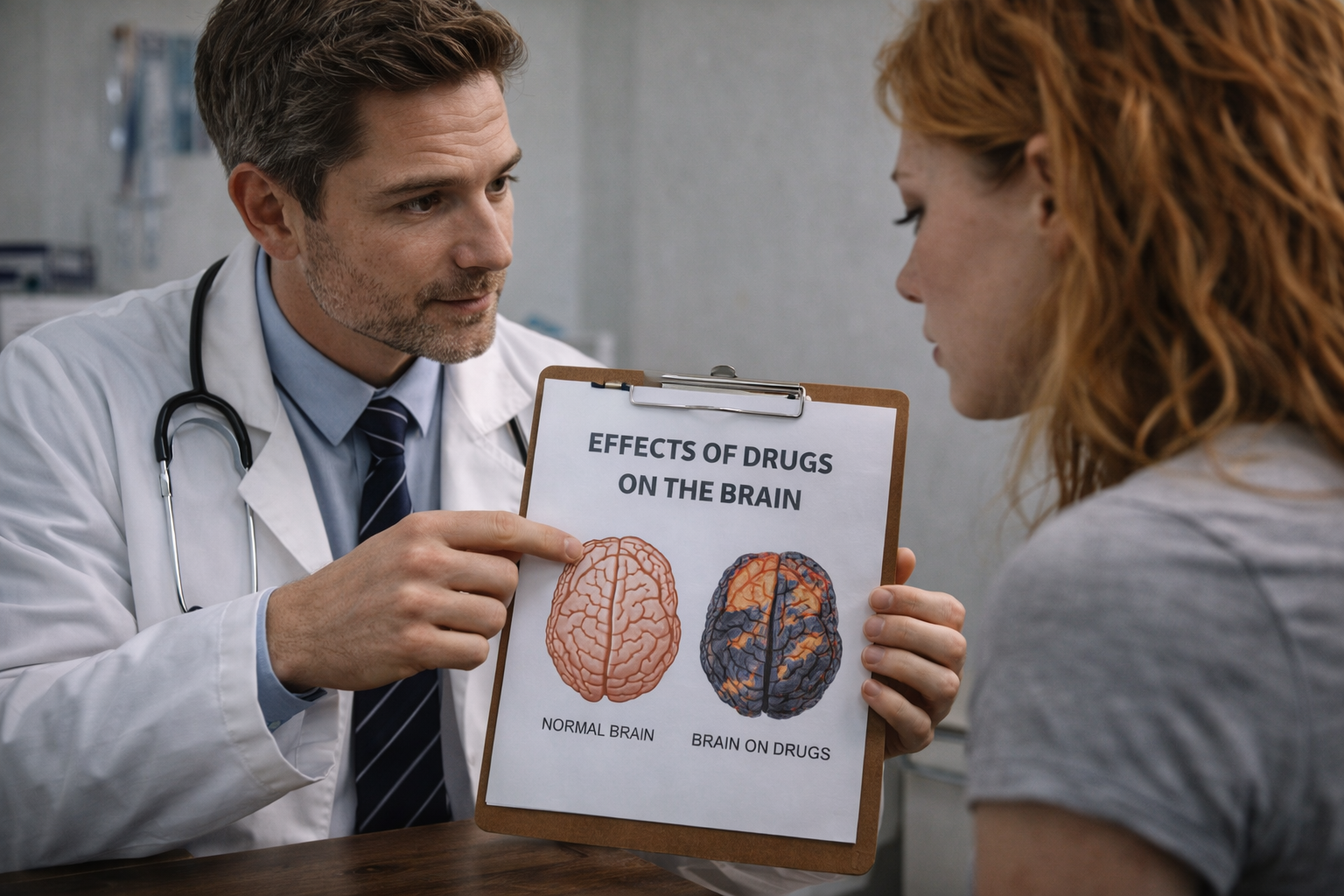
From Cravings to Recovery: How Substance Abuse Changes the Brain and How Treatment Can Help

Cravings are not simply a matter of wanting a substance badly enough. For someone experiencing addiction, cravings can reflect real changes in the brain that affect motivation, reward, stress, memory, and decision-making. Repeated substance use can gradually shift the brain toward prioritizing drugs or alcohol over other needs, making it increasingly difficult to stop even when serious consequences develop. Understanding these changes can help remove some of the shame surrounding addiction and replace it with a more productive question: What kind of support can help the brain and the person recover? With comprehensive addiction treatment, mental health care, and individualized support, recovery can begin and healthy patterns can be rebuilt.

How Substance Abuse Changes the Brain

The brain is constantly adapting to experiences. This ability, known as neuroplasticity, allows people to learn new skills, form memories, and adjust to changing circumstances. Unfortunately, it also means that repeated exposure to addictive substances can alter normal brain processes.

Many addictive substances affect neurotransmitters and neural pathways involved in pleasure, motivation, stress, and self-control. These effects can be especially powerful because drugs can produce chemical signals that are much stronger or more rapid than those associated with many natural rewards.

The Reward System Becomes Focused on the Substance

Dopamine is one of the brain chemicals involved in reward and motivation. It helps reinforce behaviors that are important for survival, such as eating and social connection.

Drugs can produce unusually strong reward signals. With repeated use, the brain adapts to these effects. Natural rewards may begin to feel less satisfying, while obtaining and using the substance becomes increasingly important.

This helps explain why someone struggling with addiction may lose interest in hobbies, relationships, work, or other activities that once brought satisfaction.

Tolerance Can Strengthen the Cycle

Repeated substance use can lead to tolerance. This means a person may need more of the substance to experience effects that once occurred with smaller amounts.

Tolerance can increase the risks associated with substance use. It can also contribute to dependence, in which the brain and body become accustomed to having the substance present.

When substance use stops, withdrawal symptoms may occur. These symptoms can make returning to the substance feel like the quickest way to obtain relief.

Why Addiction Creates Powerful Cravings

Cravings are among the most challenging parts of addiction recovery. They can be triggered by more than physical dependence.

The brain learns associations between substance use and specific environments, people, emotions, routines, and situations. Over time, these cues can activate memories and reward pathways connected to previous substance use.

Common Craving Triggers

Triggers can include:

  • Stress at work or home
  • Arguments or relationship problems
  • Certain friends or social environments
  • Places associated with previous substance use
  • Music, smells, or other familiar reminders
  • Loneliness or boredom
  • Anxiety, sadness, or anger
  • Celebrations and social situations

A craving does not mean that recovery has failed. It is a signal that deserves attention and a healthy response.

Learning to identify triggers can make it easier to interrupt the pattern before a craving turns into substance use.

How Addiction Can Affect Decision-Making

Substance abuse can affect brain regions involved in judgment, planning, and impulse control. As addiction progresses, immediate reward may become more influential than long-term consequences.

Why Knowing the Consequences Is Not Always Enough

A person may understand that continued substance use could damage their health, career, finances, or relationships and still feel unable to stop.

That conflict is one of the painful realities of addiction. Knowledge alone does not necessarily overcome changes in reward processing, stress responses, and self-control.

Professional treatment can provide practical tools for managing cravings and strengthening healthier decision-making. Therapy can also help individuals understand the emotional and environmental factors that make substance use more likely.

Substance Abuse Can Affect Mental Health

Addiction and mental health concerns often influence each other. Some individuals use substances while trying to manage anxiety, depression, trauma, grief, or overwhelming stress. In other cases, prolonged substance use contributes to worsening emotional symptoms.

Either situation can create a difficult cycle.

Anxiety, Depression, and Emotional Distress

Substance use may provide temporary relief from uncomfortable emotions. However, the relief is often short-lived. As the effects wear off, anxiety, irritability, sadness, or other difficult feelings may return.

Over time, relying on substances to regulate emotions can prevent the development of healthier coping skills.

For this reason, mental health treatment can be an important part of addiction recovery. Addressing underlying emotional concerns gives individuals additional tools for managing distress without returning to substance use.

What Happens to the Brain During Recovery?

Recovery does not mean the brain immediately returns to its previous state. Healing is gradual and can look different for every individual.

As substance use decreases or stops, the brain has an opportunity to adjust. Healthy behaviors, therapy, adequate sleep, nutrition, physical activity, and social connection can support this process.

Cravings Can Become More Manageable

Early recovery may involve frequent or intense cravings. Over time, however, many people learn to recognize their triggers and respond differently.

A craving can become an opportunity to practice a recovery skill rather than an automatic reason to use.

Strategies may include leaving a triggering environment, contacting a supportive person, practicing relaxation techniques, exercising, attending a recovery meeting, or speaking with a counselor.

The goal is not to pretend cravings do not exist. The goal is to develop enough awareness and support to respond to them safely.

Healthy Rewards Can Become Meaningful Again

One important part of recovery is rediscovering natural sources of satisfaction. Spending time with supportive people, accomplishing personal goals, exercising, participating in hobbies, and contributing to others can gradually help create a healthier reward system.

These experiences may feel less exciting than substance use at first. Consistency matters. Recovery involves teaching the brain that meaningful rewards can come from healthy experiences.

How Addiction Treatment Can Help

Professional treatment provides more than a place to stop using substances. It offers an opportunity to understand addiction, address contributing factors, develop coping skills, and build a sustainable recovery plan.

Inpatient Treatment Provides Structure and Support

Inpatient care can be helpful for people who need a structured environment and a higher level of professional support.

A stable setting can reduce exposure to immediate triggers while allowing individuals to focus on recovery. Counseling, behavioral therapies, recovery education, and coordinated care can help address substance use and related mental health needs.

For some people, this intensive environment provides the foundation needed to begin making significant changes.

Outpatient Treatment Supports Recovery in Daily Life

Outpatient treatment allows individuals to receive professional care while continuing to live at home. Depending on the treatment plan, services may include counseling, mental health support, relapse prevention, and recovery education.

This approach can be especially useful for applying new coping skills to real-world situations. Individuals can learn how to manage stress, relationships, responsibilities, and triggers while remaining connected to their recovery support.

The appropriate level of care depends on factors such as substance use history, withdrawal risk, mental health needs, home environment, and available support.

A Holistic Approach Can Strengthen Recovery

Addiction affects the whole person. Therefore, effective recovery can benefit from addressing physical, emotional, social, and spiritual well-being.

Supporting Physical Wellness

The brain depends on the body for the resources it needs to function effectively. Establishing healthy routines can support recovery and improve overall well-being.

Helpful habits include:

  • Getting consistent sleep
  • Eating nutritious meals
  • Staying physically active
  • Maintaining hydration
  • Following a structured daily routine
  • Keeping regular appointments with healthcare professionals
  • Building healthy social connections

These practices do not replace addiction treatment, but they can reinforce the progress made through therapy and other professional services.

Faith and Spirituality Can Provide Purpose

For individuals who value faith, spiritual practices can offer another source of strength during recovery. Prayer, reflection, forgiveness, service, and connection with a faith community can help people develop hope and a stronger sense of purpose.

Faith-based support should respect the individual’s beliefs and can complement professional addiction and mental health treatment.

Individualized Care Matters

Addiction does not develop in exactly the same way for everyone. Consequently, recovery should not follow a one-size-fits-all formula.

An individualized treatment plan can consider a person’s substance use, mental health, physical health, relationships, environment, personal values, and recovery goals.

This approach recognizes that meaningful recovery involves more than eliminating substance use. It involves helping a person build a life that makes continued recovery possible.

At Brain Attacks, addiction recovery and mental health support can be approached with compassion and an understanding of the whole person. Inpatient and outpatient care, holistic approaches, faith-based support, and individualized treatment can provide different forms of assistance depending on each person’s needs.

Recovery Is Possible, One Step at a Time

Substance abuse can change the brain in ways that make addiction feel difficult to escape. Cravings can become powerful, natural rewards may lose their appeal, and decision-making can become increasingly focused on immediate relief. Yet these changes do not mean that recovery is impossible.

The brain can adapt. New habits can be learned. Emotional coping skills can become stronger. Supportive relationships can be rebuilt. With appropriate treatment, individuals can learn to respond to cravings without allowing them to control their choices.

If substance use is affecting your health, relationships, mental well-being, or ability to manage everyday responsibilities, consider reaching out for professional support. You do not have to wait until addiction causes another crisis before asking for help.

Recovery begins when you decide that your future deserves attention. With compassionate care, practical treatment, and a plan built around your needs, the journey from cravings to recovery can begin.

Inside the Brain of Addiction: What Long-Term Drug Use Does to Mental and Emotional Health

Long-term drug use can change the way the brain processes pleasure, stress, memory, motivation, and emotions. These changes can affect far more than a person’s relationship with drugs or alcohol. Over time, substance abuse may contribute to anxiety, depression, irritability, impaired judgment, emotional instability, and difficulty coping with everyday challenges. For someone struggling with addiction, these changes can feel confusing and discouraging. However, understanding what happens inside the brain can help replace shame with compassion. Addiction is a complex health condition, and with appropriate treatment, the brain and emotional system can begin moving toward healthier patterns.

How Long-Term Drug Use Changes the Brain

The brain depends on carefully balanced chemical and electrical communication. Neurotransmitters help regulate mood, motivation, attention, memory, sleep, and the experience of pleasure. Drugs can interfere with these systems by producing unusually strong chemical effects.

When substance use becomes repetitive, the brain adapts to the drug’s presence. This adaptation can contribute to tolerance, dependence, cravings, and compulsive use.

The Brain’s Reward System Becomes Disrupted

Many addictive substances affect the brain’s reward system, including pathways involving dopamine. Dopamine is associated with motivation and reinforcement. It helps the brain recognize experiences that are important and worth repeating.

Drugs can create an unusually powerful reward response. With repeated use, the brain may become less responsive to ordinary sources of pleasure.

As a result, activities that once provided satisfaction may begin to feel less rewarding. Spending time with family, pursuing hobbies, working toward personal goals, or participating in social activities may lose some of their appeal.

The substance increasingly becomes the priority.

Tolerance Can Change the Cycle of Addiction

As the brain adapts, a person may need more of a substance to experience the effects they previously felt. This is known as tolerance.

Tolerance can increase the risk of harmful use and make stopping more difficult. It can also contribute to a cycle in which a person uses substances not simply to feel good, but to avoid feeling uncomfortable without them.

This distinction is important. Addiction can eventually involve using a substance to feel normal rather than seeking a pleasurable high.

The Emotional Effects of Long-Term Drug Use

Substance abuse and emotional health are closely connected. Drugs may temporarily alter feelings, but repeated use can make emotional regulation more difficult.

Anxiety and Irritability

Some individuals experience increased anxiety, agitation, or irritability during prolonged substance use. Others may become emotionally numb or disconnected from people and activities that once mattered.

Withdrawal can intensify these experiences. A person may feel anxious or overwhelmed when the substance wears off, creating a powerful motivation to use again.

This cycle can make it difficult to determine where substance-related symptoms end and underlying mental health concerns begin.

Depression and Loss of Motivation

Long-term substance use can also be associated with depressed mood and reduced motivation. When the brain’s reward system becomes less responsive to natural rewards, everyday life may feel flat or unrewarding.

Someone might stop pursuing goals, withdraw from relationships, or lose interest in activities they previously enjoyed.

These changes are not evidence of a weak character. They can reflect significant changes in brain function and emotional health that deserve professional attention.

How Addiction Affects Thinking and Behavior

The effects of addiction extend beyond mood. Long-term substance use can interfere with cognitive processes involved in planning, attention, judgment, and impulse control.

Impaired Decision-Making

The prefrontal cortex plays an important role in evaluating consequences, controlling impulses, and making decisions. Addiction can make it harder to prioritize long-term goals when intense cravings or immediate emotional needs take over.

This helps explain why a person may continue using drugs despite consequences involving health, finances, employment, family, or relationships.

Understanding the neurological component of addiction does not excuse harmful behavior. Instead, it provides a framework for understanding why professional treatment and structured support can be so important.

Changes in Memory and Concentration

Long-term substance use may also affect attention, learning, and memory. A person might have trouble remembering conversations, completing tasks, following through on responsibilities, or concentrating for extended periods.

These problems can create additional frustration during recovery. Someone may want to rebuild their life but feel that their concentration and mental clarity are working against them.

The encouraging reality is that cognitive functioning can improve for many people after they reduce or stop substance use and establish healthier routines.

The Connection Between Addiction and Mental Health

Mental health and substance abuse frequently overlap. Some people begin using substances in an attempt to cope with anxiety, depression, trauma, grief, stress, or other emotional difficulties. Others develop mental health symptoms after prolonged substance use.

Either way, treating only the addiction may leave important concerns unresolved.

Why Dual Diagnosis Treatment Matters

When addiction occurs alongside a mental health condition, comprehensive treatment can address both concerns. This may involve individual therapy, behavioral therapies, medication management when appropriate, recovery education, and other supportive services.

Addressing mental health can give individuals healthier ways to cope with difficult emotions instead of relying on substances.

It can also help identify triggers that might otherwise increase the risk of relapse.

What Happens When the Brain Enters Recovery?

The brain does not simply stop changing when substance use stops. Recovery is an active biological and psychological process.

The brain has a remarkable capacity for adaptation, often referred to as neuroplasticity. As substance exposure decreases or stops, the brain can gradually adjust to healthier patterns of functioning.

Emotional Stability Can Improve

Early recovery can be challenging. Sleep disruption, cravings, anxiety, irritability, and other symptoms may occur, depending on the substance and the individual’s circumstances.

Over time, however, many people experience greater emotional stability. Natural sources of pleasure may become more meaningful, and healthy coping skills can become easier to use.

Therapy can accelerate this process by helping individuals practice new ways of responding to stress and difficult emotions.

Healthy Habits Support Brain Recovery

Recovery involves more than avoiding drugs. Daily habits can create an environment that supports physical and emotional wellness.

Helpful practices can include:

  • Maintaining consistent sleep
  • Eating balanced meals
  • Exercising regularly
  • Staying hydrated
  • Practicing mindfulness or relaxation
  • Maintaining supportive relationships
  • Establishing a structured daily routine
  • Attending therapy and recovery meetings consistently
  • Avoiding people, places, and situations associated with substance use

These habits are simple, but they can have a meaningful impact when practiced consistently.

How Professional Treatment Supports Mental and Emotional Healing

Addiction recovery is rarely a matter of willpower alone. Professional treatment can provide the structure, expertise, and accountability needed to address the many factors involved in addiction.

Inpatient Treatment Can Provide Stability

For individuals who need a highly structured environment, inpatient treatment can provide space to focus on recovery away from some everyday triggers.

Professional support, counseling, recovery education, and structured routines can help individuals begin addressing both substance use and related mental health concerns.

Outpatient Treatment Supports Continued Recovery

Outpatient care allows individuals to receive professional treatment while continuing to live at home and maintain certain family, educational, or employment responsibilities.

Counseling, relapse prevention, mental health support, and ongoing recovery planning can help individuals transfer treatment skills into everyday situations.

Both levels of care can be valuable. The right choice depends on the person’s needs, safety, substance use history, support system, and recovery goals.

A Holistic Approach Can Strengthen Recovery

Addiction affects the whole person. Therefore, meaningful recovery should consider more than brain chemistry alone.

A holistic approach can incorporate physical wellness, emotional health, relationships, personal values, and spiritual needs.

Faith Can Offer Strength and Purpose

For people who value faith, spirituality can provide a meaningful source of hope and connection. Prayer, reflection, forgiveness, community, and a renewed sense of purpose can help individuals navigate difficult stages of recovery.

Faith-based support can complement professional addiction and mental health treatment when it reflects the individual’s beliefs and preferences.

Individualized Care Recognizes That Every Person Is Different

There is no single explanation for why someone develops an addiction, and there is no universal recovery plan.

Effective care considers a person’s substance use history, mental health, physical health, relationships, environment, personal values, and goals. Individualized treatment allows these factors to shape the recovery process rather than forcing everyone into the same approach.

Recovery Is About More Than Changing Substance Use

Long-term drug use can leave a person feeling disconnected from who they once were. They may struggle with their emotions, relationships, confidence, or sense of purpose.

Recovery offers an opportunity to rebuild these areas gradually.

At Brain Attacks, addiction recovery and mental health care can be approached from a compassionate, individualized perspective. Inpatient and outpatient services, holistic support, faith-based approaches, and professional treatment can work together to address the person as a whole.

The goal is not simply to stop using substances. It is to help individuals develop the stability, coping skills, relationships, and confidence needed to build a healthier life.

The Brain Can Heal, and Recovery Can Begin

Long-term drug use can significantly affect mental and emotional health, but addiction does not have to determine a person’s future. The brain can adapt. Emotional skills can be strengthened. Healthy routines can be rebuilt. Relationships can be repaired. With appropriate support, recovery can become a process of discovering that life without substances can be meaningful and fulfilling.

If addiction is affecting your mood, thinking, relationships, or ability to manage everyday life, reaching out for professional help is a meaningful first step. You do not have to wait until the situation becomes worse, and you do not have to navigate recovery alone.

Healing begins with understanding what is happening, accepting support, and taking the next step toward change.

The Brain After Drug Use: How Substance Abuse Affects Memory, Mood, and Decision-Making

Substance abuse can change much more than a person’s daily routine. Repeated drug or alcohol use can affect the brain systems responsible for memory, mood, motivation, judgment, and decision-making. These changes can make everyday responsibilities feel harder and can contribute to cravings, impulsive behavior, anxiety, depression, and difficulty maintaining healthy relationships. However, addiction does not mean that a person’s brain is permanently damaged or that recovery is out of reach. With time, professional treatment, healthy routines, and individualized support, the brain can adapt and recover. Understanding how substance abuse affects brain function is an important step toward replacing shame with compassion and taking meaningful action toward recovery.

How Substance Abuse Changes Brain Function

The brain is an incredibly complex organ. Billions of nerve cells communicate through electrical signals and chemical messengers called neurotransmitters. These systems influence virtually everything we do, including how we learn, remember information, experience pleasure, manage stress, and make decisions.

Addictive substances interfere with these normal processes. Some drugs increase the release of neurotransmitters such as dopamine, while others imitate naturally occurring chemicals in the brain or interfere with their normal activity.

With repeated substance use, the brain begins adapting to the presence of the drug. These adaptations can contribute to tolerance, cravings, dependence, and compulsive substance use.

The Reward System Becomes Altered

Dopamine plays an important role in motivation and reinforcement. Natural activities such as eating, socializing, exercising, and accomplishing meaningful goals can activate the brain’s reward system.

Drugs can produce a much stronger reward signal than many ordinary experiences. As substance use continues, the brain may become less responsive to natural rewards.

As a result, someone struggling with addiction may lose interest in activities that once mattered to them. The substance increasingly becomes the focus of attention, even when its use is causing serious personal, professional, or health consequences.

The Effects of Substance Abuse on Memory

Memory problems are among the cognitive changes that may occur with prolonged substance abuse. The severity and duration of these problems vary depending on the substance, frequency and duration of use, overall health, and other individual factors.

Why Memory Can Become More Difficult

Several regions of the brain contribute to learning and memory. Substance use can interfere with the communication between these areas, making it harder to absorb new information or retrieve memories.

Someone may notice that they:

  • Forget appointments or conversations
  • Lose track of important responsibilities
  • Have trouble concentrating on reading or work
  • Struggle to learn new information
  • Frequently misplace belongings
  • Have difficulty recalling events surrounding periods of substance use

These symptoms can be frustrating. They can also create additional stress, especially when someone is trying to rebuild a career, education, or relationships during recovery.

The good news is that cognitive functioning can improve for many people as they reduce or stop substance use and establish healthier patterns.

How Drugs Can Affect Mood and Emotional Health

Substance abuse and mental health are closely connected. Drug use can temporarily change how a person feels, but repeated use can make emotional regulation more difficult over time.

Anxiety, Depression, and Irritability

As the brain adapts to repeated substance exposure, individuals may experience significant changes in mood. Anxiety, irritability, depression, emotional numbness, and difficulty coping with stress can become more noticeable.

Sometimes, a person uses substances to escape uncomfortable emotions. Unfortunately, this strategy can create another cycle. The substance may provide temporary relief, followed by withdrawal, emotional distress, or renewed cravings.

Over time, the original emotional problem may remain unresolved while substance use adds another layer of difficulty.

The Importance of Co-Occurring Mental Health Treatment

People experiencing addiction may also live with depression, anxiety, trauma-related symptoms, or other mental health concerns. These conditions can influence one another.

For that reason, effective addiction treatment should look beyond substance use alone. Mental health treatment can help individuals understand emotional triggers, develop healthier coping strategies, process difficult experiences, and improve emotional stability.

Substance Abuse and Decision-Making

One of the most significant effects of addiction involves decision-making and impulse control.

The prefrontal cortex helps the brain evaluate consequences, plan ahead, control impulses, and make reasoned choices. Chronic substance use can interfere with these functions.

Why Someone May Continue Using Despite Consequences

From the outside, continued substance use can appear irrational. A person may lose a job, damage a relationship, experience financial problems, or face serious health consequences and still struggle to stop.

Addiction changes the balance between reward, motivation, stress, and self-control. Strong cravings can make immediate relief feel more important than long-term consequences.

Understanding this process does not remove personal responsibility. Instead, it provides a more accurate and compassionate explanation of why professional addiction treatment is often necessary.

What Happens to the Brain During Recovery?

Recovery gives the brain an opportunity to adjust to functioning without addictive substances. This process does not happen instantly, and everyone experiences recovery differently.

The brain has an ability known as neuroplasticity. This means it can adapt by strengthening existing neural connections and developing new patterns of communication.

Memory and Concentration Can Improve

As substance use stops, sleep improves, nutrition becomes more consistent, and the brain receives time to recover, many people experience gradual improvements in concentration and cognitive functioning.

These improvements may support practical recovery goals, such as returning to work, completing education, managing finances, and rebuilding relationships.

Emotional Regulation Can Become Stronger

Recovery also provides an opportunity to develop healthier responses to stress and difficult emotions. Therapy can teach practical skills for recognizing triggers and responding without automatically turning to drugs or alcohol.

Progress may be gradual, but each healthy decision reinforces a different pattern.

How Professional Addiction Treatment Supports Brain Health

Recovery involves more than simply stopping substance use. Individuals often need support addressing physical health, emotional well-being, relationships, habits, and the circumstances that contributed to addiction.

Inpatient Care Provides Structure

Inpatient treatment can provide a stable environment for people who need a higher level of support. A structured setting allows individuals to focus on recovery while receiving professional supervision, counseling, education, and therapeutic care.

For someone whose home environment contains significant triggers or instability, this structure can provide valuable space to begin healing.

Outpatient Care Supports Long-Term Recovery

Outpatient treatment allows individuals to receive ongoing professional support while continuing to live at home. Therapy, relapse prevention planning, mental health services, and recovery education can help people apply what they learn to everyday life.

Outpatient care can also play an important role after a more intensive treatment program, providing continued accountability as independence increases.

Holistic Care Supports the Whole Person

Brain health is connected to overall health. Recovery can become stronger when individuals develop habits that support the body and mind.

Healthy Practices That Support Recovery

Helpful practices may include:

  • Maintaining a consistent sleep schedule
  • Eating nutritious, balanced meals
  • Engaging in regular physical activity
  • Practicing relaxation or mindfulness techniques
  • Building supportive relationships
  • Following a structured daily routine
  • Avoiding high-risk environments and triggers
  • Participating consistently in counseling and recovery support

These habits do not replace professional treatment. Instead, they can complement addiction recovery and help create a healthier foundation for long-term wellness.

Faith Can Provide Meaning and Hope

For individuals who value spirituality, faith-based treatment can become an important part of the recovery process. Prayer, reflection, forgiveness, service, and connection with a supportive faith community can provide encouragement and a sense of purpose.

When integrated appropriately with professional addiction and mental health treatment, spiritual support can help individuals address recovery from multiple dimensions.

Individualized Treatment Matters

There is no universal recovery plan. The effects of substance abuse can differ significantly from one person to another. Personal history, substance use patterns, mental health, physical health, family circumstances, and recovery goals all matter.

An individualized approach considers these differences when developing a treatment plan. This can help ensure that care addresses the person rather than simply focusing on the addiction.

At Brain Attacks, compassionate and client-centered care can incorporate addiction recovery services, mental health treatment, inpatient and outpatient support, and holistic, faith-based approaches. The goal is to help individuals understand their challenges, develop practical recovery skills, and move toward healthier and more meaningful lives.

Recovery Can Change the Brain and the Future

The effects of substance abuse on memory, mood, and decision-making can be serious, but they do not have to define a person’s future. The brain can adapt, healthy behaviors can become stronger, and recovery can create opportunities for meaningful change.

Healing takes patience. Some improvements may happen gradually, and setbacks can occur. What matters is continuing to seek support, addressing mental health needs, building healthy routines, and staying connected to people who encourage recovery.

If substance abuse is affecting your memory, emotions, relationships, or ability to make healthy decisions, reaching out for professional help can be an important first step. You do not have to understand every aspect of addiction before asking for support. With compassionate, individualized treatment, recovery can begin with one decision: choosing to give your brain, your health, and your future a chance to heal.

The Healing Brain: How Recovery Helps Reverse the Effects of Substance Abuse

Substance abuse can change the brain in powerful ways, affecting memory, judgment, motivation, emotional regulation, and the ability to manage stress. For someone living with addiction, these changes can make stopping substance use feel incredibly difficult. However, addiction does not mean the brain is permanently broken. The brain has an extraordinary capacity to adapt and heal. Through sustained recovery, healthy routines, therapy, medical care, and meaningful support, many of the effects associated with substance abuse can improve over time. Understanding how the healing brain responds to recovery can replace shame with hope and help individuals recognize that treatment is an investment in both present health and long-term well-being.

How Substance Abuse Changes the Brain

The brain is constantly communicating through intricate networks of neurons and chemical messengers called neurotransmitters. These systems influence pleasure, motivation, memory, attention, decision-making, and emotional balance.

Addictive substances interfere with these systems. Many drugs produce unusually strong effects on the brain’s reward pathway, particularly by increasing dopamine activity. Dopamine plays an important role in motivation and reinforcement. When a substance repeatedly produces an intense reward, the brain begins to prioritize that experience.

The Reward System Becomes Less Responsive

With continued substance use, the brain adapts to repeated chemical stimulation. Natural sources of pleasure may become less satisfying, while cravings for the substance become stronger.

This can lead to a troubling cycle. A person may continue using drugs or alcohol not because they are seeking the same pleasurable experience, but because using the substance temporarily relieves discomfort, cravings, or withdrawal symptoms.

Decision-Making and Self-Control Can Suffer

Substance abuse can also affect the prefrontal cortex, an area involved in planning, judgment, impulse control, and decision-making. When these functions are impaired, resisting immediate urges can become more challenging.

This is one reason addiction should be approached as a health condition rather than a moral failing. The brain is participating in the cycle, and effective treatment needs to address those changes.

What Happens When Substance Use Stops?

Recovery gives the brain an opportunity to begin adjusting to life without addictive substances. However, healing is a process rather than an overnight transformation.

During early recovery, some people experience withdrawal symptoms, cravings, sleep difficulties, mood changes, or problems concentrating. These experiences can be uncomfortable, but they do not mean recovery is failing.

The Brain Begins Reestablishing Balance

Without repeated exposure to a substance, the brain gradually begins adapting to healthier levels of neurotransmitter activity. Over time, natural reward systems can become more responsive.

Individuals may gradually notice that everyday experiences become enjoyable again. Conversations with loved ones, hobbies, physical activity, meaningful work, and personal accomplishments can regain their importance.

Cognitive Function Can Improve

Recovery may also support improvements in concentration, memory, attention, and decision-making. The amount and speed of improvement varies from person to person, depending on factors such as the substance involved, duration of use, overall health, co-occurring mental health conditions, and access to treatment.

For this reason, recovery should be measured by progress rather than perfection.

How Therapy Supports Brain Healing

Stopping substance use is an important first step, but lasting recovery requires more than abstinence. Therapy helps individuals understand the emotional and behavioral patterns that contributed to substance use.

Cognitive and Behavioral Skills

Evidence-based therapies can help people identify triggers, challenge unhealthy thought patterns, manage cravings, and develop practical coping strategies.

Instead of automatically turning to substances during periods of stress, individuals learn alternative responses. With repetition, healthier responses can become more familiar and easier to use.

Addressing Trauma and Mental Health

Many people with substance use disorders also experience anxiety, depression, trauma, or other mental health concerns. If these issues remain untreated, they can make recovery more difficult.

Comprehensive mental health treatment addresses these underlying concerns while helping individuals develop emotional stability. Treating addiction and mental health together provides a more complete path toward healing.

The Role of Inpatient and Outpatient Care

Different stages of recovery require different levels of support. Both inpatient and outpatient treatment can play important roles in helping the brain and body adjust to recovery.

Inpatient Treatment

Inpatient care provides a structured environment where individuals can focus on recovery with professional supervision and consistent support. Therapy, education, medical care, and daily routines can create stability during an important period of healing.

This setting can be particularly valuable for individuals who need a greater level of structure or who face significant challenges maintaining sobriety in their usual environment.

Outpatient Treatment

Outpatient care allows individuals to receive professional treatment while continuing to live at home and manage work, school, or family responsibilities.

Counseling, relapse prevention planning, mental health support, and continued accountability can help individuals strengthen the skills developed during treatment and apply them to everyday life.

Holistic Practices Can Support Recovery

Brain healing does not happen in isolation. Physical health, emotional wellness, relationships, and daily habits all influence recovery.

Healthy Habits for Brain Health

Simple lifestyle changes can support the recovery process. These may include:

  • Maintaining a consistent sleep schedule
  • Eating balanced, nutritious meals
  • Engaging in regular physical activity
  • Practicing stress management
  • Staying socially connected
  • Following a structured daily routine
  • Avoiding environments that encourage substance use

These habits do not replace professional addiction treatment. Instead, they complement treatment by creating conditions that support overall wellness.

Faith and Spirituality Can Provide Purpose

For individuals who value spirituality, faith-based recovery can offer an additional source of strength. Prayer, reflection, forgiveness, community, and a renewed sense of purpose can help people navigate difficult moments.

A faith-based approach does not have to compete with professional treatment. When appropriate for the individual, spiritual care can work alongside evidence-based therapies to support healing of the mind, body, and spirit.

Why Individualized Treatment Matters

There is no single recovery plan that works for everyone. Each person’s substance use history, mental health needs, relationships, physical health, values, and goals are different.

Individualized treatment takes these factors into account. Rather than simply addressing the symptoms of addiction, personalized care helps identify the circumstances that contribute to substance use and develops strategies that fit the person’s life.

This approach can make treatment more meaningful and sustainable because individuals are active participants in their own recovery.

Recovery Can Give the Brain a New Direction

The healing brain is a powerful reminder that addiction does not have to define a person’s future. Substance abuse can create significant changes in brain function, but recovery creates opportunities for healthier patterns to develop.

Progress may happen gradually. Some days will feel easier than others. What matters is continuing to build healthy routines, accepting support, addressing mental health needs, and remaining committed to the recovery process.

At Brain Attacks, compassionate care is centered on the individual. Addiction recovery services, mental health treatment, inpatient and outpatient care, and holistic, faith-based approaches can help people address addiction from multiple perspectives while developing practical tools for lasting wellness.

If you or someone you love is struggling with substance abuse, reaching out for professional support can be an important first step. The brain can heal, healthy habits can be rebuilt, and a meaningful life in recovery is possible. You do not have to navigate that journey alone.

When Addiction Changes the Brain: Recognizing the Signs and Finding Hope Through Treatment

Addiction is often misunderstood as a lack of discipline or poor decision-making. In reality, substance use disorder is a chronic medical condition that changes how the brain functions over time. Drugs and alcohol alter the brain’s communication system, making it increasingly difficult to control cravings, regulate emotions, and make healthy choices. These neurological changes can affect every area of a person’s life, from relationships and career to physical and mental health. The encouraging truth is that healing is possible. With compassionate, individualized treatment and ongoing support, the brain can begin to recover, allowing individuals to regain control and build a healthier future. At Brain Attacks, we are committed to helping people overcome addiction through comprehensive addiction recovery services, mental health treatment, inpatient and outpatient care, and holistic, faith-based approaches tailored to each person’s unique needs.

How Addiction Changes the Brain

The brain relies on billions of nerve cells that communicate through neurotransmitters. These chemical messengers regulate mood, memory, motivation, learning, and decision-making. When drugs enter the body, they interfere with these natural processes, creating changes that become more significant with repeated use.

The Brain’s Reward System Becomes Rewired

Most addictive substances trigger an intense release of dopamine, the neurotransmitter responsible for pleasure and motivation. This powerful surge creates feelings of euphoria that encourage repeated substance use.

Over time, the brain adapts by producing less dopamine naturally. Everyday experiences such as spending time with family, enjoying hobbies, or reaching personal goals no longer provide the same sense of satisfaction. Instead, the brain begins to associate drugs with reward, making cravings stronger and increasing the risk of continued substance use.

Areas Responsible for Judgment Are Affected

Long-term drug use weakens the prefrontal cortex, the part of the brain responsible for decision-making, planning, and impulse control. As this area becomes less effective, individuals may struggle to evaluate consequences, resist cravings, or make healthy decisions.

These changes help explain why addiction is not simply about choice. The brain itself has been altered by repeated substance use.

Recognizing the Signs of Brain Changes

The effects of addiction often appear gradually. Recognizing the warning signs early can lead to faster intervention and better recovery outcomes.

Cognitive Changes

Changes in brain function may include:

  • Difficulty concentrating
  • Poor short-term memory
  • Slower thinking
  • Trouble solving problems
  • Reduced attention span
  • Difficulty learning new information

These symptoms can interfere with daily responsibilities, work performance, and relationships.

Emotional Changes

Substance abuse also affects emotional regulation. Individuals may experience:

  • Anxiety
  • Depression
  • Mood swings
  • Irritability
  • Emotional numbness
  • Increased sensitivity to stress

Because addiction and mental health are closely connected, emotional symptoms often become more severe as substance use continues.

Behavioral Warning Signs

Family members and loved ones may notice changes such as:

  • Withdrawing from social activities
  • Neglecting responsibilities
  • Secretive or dishonest behavior
  • Loss of interest in previously enjoyable activities
  • Increased impulsive decisions
  • Continuing substance use despite negative consequences

These behaviors often reflect changes occurring within the brain rather than a lack of concern or motivation.

Why Mental Health Treatment Matters

Mental health disorders and substance use disorders frequently occur together. Anxiety, depression, trauma, and chronic stress can increase vulnerability to addiction. Likewise, long-term substance use can worsen emotional health by disrupting normal brain chemistry.

Treating Both Conditions Together

Successful recovery requires more than stopping drug use. Comprehensive treatment addresses both addiction and underlying mental health concerns.

Integrated care helps individuals:

  • Understand emotional triggers
  • Develop healthier coping skills
  • Improve emotional resilience
  • Reduce relapse risk
  • Build lasting confidence in recovery

Treating both conditions simultaneously creates a stronger foundation for long-term success.

How Professional Treatment Supports Brain Healing

Although addiction changes the brain, healing is possible. The brain possesses an incredible ability known as neuroplasticity, which allows it to form new neural connections throughout recovery.

As sobriety continues, many people notice gradual improvements in memory, concentration, emotional stability, and decision-making.

Inpatient Treatment

Inpatient treatment provides a structured environment where individuals receive medical supervision, counseling, behavioral therapy, education, and around-the-clock support. This level of care allows people to focus completely on recovery while reducing outside stressors and triggers.

Outpatient Treatment

Outpatient programs allow individuals to continue living at home while participating in therapy, relapse prevention planning, support groups, and mental health counseling. This flexible approach helps people apply recovery skills while maintaining work, school, or family commitments.

Holistic and Faith-Based Care Strengthens Recovery

Lasting recovery involves healing the whole person, not simply eliminating substance use.

Holistic treatment may include healthy nutrition, regular physical activity, mindfulness practices, stress reduction techniques, and wellness education that support improved brain function and overall health.

Faith-based care offers many individuals additional encouragement by strengthening hope, purpose, forgiveness, and spiritual growth. When integrated with evidence-based treatment, spiritual support can become an important source of resilience throughout recovery.

Individualized Treatment Creates Better Outcomes

No two people experience addiction in exactly the same way. Personal history, mental health needs, family relationships, trauma, and recovery goals all influence the healing process.

At Brain Attacks, every treatment plan is personalized to address the unique challenges and strengths of each individual. Through comprehensive addiction treatment, mental health counseling, relapse prevention strategies, and compassionate guidance, individuals receive the support they need to achieve lasting recovery.

Hope Begins With the First Step

Addiction may change the brain, but it does not define a person’s future. With professional care, personalized treatment, and a supportive recovery community, individuals can restore brain health, strengthen emotional well-being, and rebuild meaningful lives.

At Brain Attacks, we believe every person deserves compassionate care and the opportunity to heal. Through our addiction recovery services, mental health treatment, inpatient and outpatient programs, and holistic, faith-based approach, we help individuals move beyond addiction toward lasting wellness. If you or someone you love is struggling with substance use, do not wait to seek help. The first step toward recovery could become the beginning of a healthier mind, stronger relationships, and a brighter future.

Why the Brain Responds to Drugs: Understanding Addiction, Damage, and Recovery

The human brain is designed to help us survive. It rewards healthy behaviors such as eating, exercising, learning, and building relationships by releasing chemicals that create feelings of satisfaction and motivation. Unfortunately, addictive substances hijack this natural system, producing powerful changes that alter the way the brain functions over time. These changes explain why addiction is far more than a habit or a lack of willpower. It is a complex medical condition that affects both brain health and mental well-being. The good news is that recovery is possible. With compassionate care, evidence-based treatment, and personalized support, individuals can restore healthy brain function and build a lasting foundation for sobriety. At Brain Attacks, we provide comprehensive addiction recovery services, mental health treatment, inpatient and outpatient care, and holistic, faith-based approaches that support healing for the mind, body, and spirit.

Why the Brain Responds So Strongly to Drugs

The brain communicates through billions of nerve cells that send messages using chemical messengers called neurotransmitters. These chemicals regulate emotions, motivation, memory, concentration, and decision-making.

When drugs enter the body, they interfere with this communication system. Instead of allowing the brain to function normally, substances either mimic natural brain chemicals or trigger an unusually large release of them. As a result, the brain begins to adapt to these artificial changes.

The Role of Dopamine

One of the most important neurotransmitters involved in addiction is dopamine. Often called the brain’s reward chemical, dopamine reinforces behaviors that help us survive and thrive.

Drugs such as opioids, cocaine, methamphetamine, and alcohol can cause dopamine levels to rise far beyond what the brain naturally produces. This intense feeling of pleasure teaches the brain to associate substance use with reward.

Over time, the brain becomes less responsive to normal sources of enjoyment and increasingly dependent on drugs to experience pleasure.

How Addiction Develops

Addiction usually develops gradually rather than suddenly. As the brain adjusts to repeated substance use, both physical and psychological dependence begin to form.

Tolerance Changes the Brain

With continued drug use, the brain becomes accustomed to the presence of the substance. Individuals often require larger amounts to achieve the same effect, a process known as tolerance.

As tolerance increases, substance use often becomes more frequent, placing even greater stress on the brain.

Dependence and Cravings

Eventually, the brain begins to rely on the substance simply to function normally. When the drug is unavailable, withdrawal symptoms such as anxiety, irritability, depression, insomnia, nausea, and intense cravings may occur.

These symptoms are signs that the brain has adapted to the presence of the substance, making professional treatment an important part of recovery.

How Drug Use Damages Brain Function

Long-term substance abuse affects multiple areas of the brain that control thinking, emotions, and behavior.

Changes in Memory and Learning

Drug use can interfere with the hippocampus, a region responsible for learning and memory. Individuals may struggle to remember information, process new experiences, or maintain concentration.

These cognitive difficulties often affect work, school, and personal relationships.

Reduced Judgment and Self-Control

The prefrontal cortex plays a critical role in decision-making, planning, and impulse control. Substance abuse weakens this area of the brain, making it more difficult to evaluate consequences and resist cravings.

This helps explain why people living with addiction may continue using substances despite recognizing the harm they are causing.

Emotional Changes

The brain also regulates emotional health. As addiction progresses, many individuals experience:

  • Anxiety
  • Depression
  • Mood swings
  • Irritability
  • Emotional numbness
  • Increased sensitivity to stress

These symptoms can become increasingly severe without professional treatment.

The Connection Between Addiction and Mental Health

Addiction and mental health conditions often occur together. Some individuals begin using drugs to cope with trauma, anxiety, depression, or chronic stress. Others develop mental health challenges after prolonged substance use changes brain chemistry.

Because these conditions influence one another, comprehensive treatment should address both simultaneously.

Individualized Mental Health Care

Treating only the addiction while ignoring emotional health often leaves important issues unresolved. Personalized treatment plans that combine addiction recovery with mental health counseling provide a stronger foundation for lasting wellness.

How Recovery Helps the Brain Heal

Although addiction changes the brain, those changes are not always permanent. The brain has an extraordinary ability to heal through neuroplasticity, which allows new neural pathways to form during recovery.

As individuals maintain sobriety and participate in treatment, many experience improvements in memory, concentration, emotional regulation, and decision-making.

Healing happens gradually, but every healthy choice supports continued progress.

The Value of Professional Treatment

Recovery is most successful when individuals receive comprehensive, personalized care.

Inpatient Treatment

Inpatient programs provide a structured environment where individuals receive medical supervision, counseling, behavioral therapies, education, and continuous support. This setting helps reduce outside distractions while allowing people to focus fully on healing.

Outpatient Treatment

Outpatient care offers flexibility while providing ongoing therapy, relapse prevention planning, mental health support, and accountability. Many individuals benefit from continuing outpatient care after completing inpatient treatment to strengthen long-term recovery.

Holistic and Faith-Based Approaches Strengthen Recovery

Healing extends beyond physical sobriety. Holistic care supports the entire person by addressing emotional, physical, and spiritual wellness.

Healthy nutrition, regular exercise, mindfulness practices, stress management, and restorative sleep all contribute to improved brain function during recovery. Faith-based care can also offer hope, purpose, encouragement, and spiritual guidance for individuals who wish to include their beliefs in the healing process.

When combined with evidence-based treatment, these approaches help individuals build healthier lives with greater resilience.

Recovery Begins With Understanding

Understanding why the brain responds to drugs helps replace stigma with compassion. Addiction is not a personal failure. It is a medical condition involving real changes in brain chemistry and function. Fortunately, those changes can improve with the right care, commitment, and support.

At Brain Attacks, we believe every person deserves the opportunity to heal. Through comprehensive addiction recovery services, mental health treatment, inpatient and outpatient programs, and holistic, faith-based care, we help individuals rebuild healthy lives one step at a time. If you or someone you love is struggling with substance use, do not wait to seek help. The journey to recovery begins with reaching out, and every step forward brings new hope for a healthier future.

The Lasting Effects of Substance Abuse on Brain Health and Emotional Well-Being

Substance abuse affects far more than physical health. Over time, drugs and alcohol can change the brain in ways that influence memory, emotions, decision-making, and overall mental well-being. These changes often make addiction feel impossible to overcome without professional help. Fortunately, the brain is remarkably resilient. With comprehensive treatment, compassionate support, and a personalized recovery plan, healing is possible. Understanding the lasting effects of substance abuse on brain health can help individuals and families recognize the importance of seeking care early. At Brain Attacks, we provide individualized addiction recovery services, mental health treatment, inpatient and outpatient care, and holistic, faith-based approaches that help people reclaim their lives with confidence and hope.

How Substance Abuse Changes Brain Health

The brain functions through a network of billions of nerve cells that communicate using chemical messengers called neurotransmitters. These chemicals regulate mood, learning, memory, motivation, and behavior. Drugs interfere with these natural processes, creating changes that can become more significant the longer substance use continues.

The Impact on the Brain’s Reward System

Most addictive substances trigger a powerful release of dopamine, the neurotransmitter responsible for pleasure and reward. This creates an intense feeling of satisfaction that encourages repeated drug use.

As the brain adjusts to these repeated dopamine surges, it produces less dopamine naturally. Activities that once brought happiness, such as spending time with loved ones, pursuing hobbies, or reaching personal goals, may no longer feel enjoyable. The brain begins relying on substances to experience pleasure, strengthening the cycle of addiction.

Changes in Cognitive Function

Long-term substance abuse can affect areas of the brain responsible for judgment, concentration, and memory. The prefrontal cortex, which helps regulate decision-making and impulse control, often becomes less effective.

These neurological changes make it more difficult to resist cravings, solve problems, and make healthy decisions. They also explain why addiction is recognized as a chronic medical condition rather than simply a lack of willpower.

How Substance Abuse Affects Emotional Well-Being

Brain health and emotional health are deeply connected. When substances disrupt normal brain chemistry, emotional stability often suffers as well.

Anxiety, Depression, and Mood Changes

Many individuals struggling with addiction experience anxiety, depression, irritability, or emotional numbness. While some people begin using substances to cope with emotional distress, prolonged substance use often worsens these conditions.

Changes in dopamine, serotonin, and other neurotransmitters can leave individuals feeling emotionally exhausted and disconnected from themselves and those around them.

Difficulty Managing Stress

Substance abuse also affects the brain’s stress response system. Everyday challenges may begin to feel overwhelming, increasing emotional sensitivity and making healthy coping more difficult.

This often creates a cycle where stress leads to substance use, while substance use increases stress over time.

Signs That Brain Health Has Been Affected

The effects of substance abuse often appear gradually. Recognizing the warning signs can encourage individuals and families to seek help before addiction becomes more severe.

Cognitive Warning Signs

Brain-related symptoms may include:

  • Difficulty concentrating
  • Memory loss
  • Slower thinking
  • Poor judgment
  • Reduced motivation
  • Difficulty learning new information

These changes can interfere with work, school, finances, and daily responsibilities.

Emotional and Behavioral Changes

Substance abuse may also contribute to:

  • Mood swings
  • Increased anxiety
  • Depression
  • Irritability
  • Withdrawal from family and friends
  • Secretive behavior
  • Loss of interest in enjoyable activities

These symptoms reflect the effects of addiction on both brain function and emotional health.

Recovery Supports Brain Healing

One of the most hopeful aspects of addiction recovery is the brain’s ability to repair itself. Through a process known as neuroplasticity, the brain can develop new neural connections and gradually restore healthier patterns of thinking and behavior.

Although healing requires time and consistency, each step in recovery supports improved cognitive function and emotional stability.

Inpatient and Outpatient Treatment Options

Professional treatment provides the structure and guidance needed for successful recovery.

Inpatient Care

Inpatient treatment offers a safe, supportive environment where individuals receive medical supervision, counseling, therapy, and comprehensive care. This level of treatment allows people to focus entirely on healing while building a strong recovery foundation.

Outpatient Care

Outpatient programs provide flexibility while continuing therapy, relapse prevention education, mental health counseling, and accountability. This approach helps individuals apply recovery skills in their everyday lives while remaining connected to professional support.

Holistic and Faith-Based Healing

Recovery involves much more than ending substance use. Healing the whole person requires attention to physical, emotional, mental, and spiritual well-being.

Holistic therapies such as mindfulness, exercise, nutrition, stress management, and healthy sleep habits support brain health and emotional resilience. Faith-based approaches can also provide hope, purpose, forgiveness, and a stronger sense of connection throughout recovery.

When integrated with evidence-based addiction treatment, these approaches create a balanced path toward lasting wellness.

Individualized Care Leads to Better Outcomes

Every person’s recovery journey is unique. Factors such as substance use history, mental health concerns, trauma, family dynamics, and personal goals all influence treatment needs.

At Brain Attacks, individualized care plans are designed to address every aspect of recovery. Through evidence-based therapy, mental health treatment, relapse prevention, and compassionate support, individuals receive the tools they need to rebuild healthy lives with confidence.

Choose Hope and Begin Healing

The lasting effects of substance abuse on brain health and emotional well-being can feel overwhelming, but they do not have to define the future. Addiction changes the brain, yet the brain also possesses an extraordinary ability to heal when given the right support.

At Brain Attacks, we are committed to helping individuals and families overcome addiction through comprehensive addiction recovery services, mental health treatment, inpatient and outpatient programs, and holistic, faith-based care. If you or someone you love is struggling with substance use, now is the time to reach out. Recovery begins with hope, grows through compassionate care, and leads to a healthier, more fulfilling life.

Your Brain and Addiction: How Drug Use Changes Mental Function Over Time

Addiction is more than a pattern of repeated substance use. It is a medical condition that gradually changes the brain, affecting the way a person thinks, feels, and behaves. While these changes can make recovery seem overwhelming, they do not have to be permanent. With professional treatment, compassionate support, and a personalized recovery plan, the brain has an incredible ability to heal. Understanding how drug use changes mental function over time can help individuals and families recognize the importance of early intervention and comprehensive care. At Brain Attacks, we provide addiction recovery services, mental health treatment, inpatient and outpatient programs, and holistic, faith-based care that supports healing for the whole person.

How Drug Use Affects the Brain

The brain depends on a network of nerve cells that communicate through chemical messengers called neurotransmitters. These chemicals regulate mood, memory, concentration, motivation, and emotional balance. Drugs interfere with this communication system, creating changes that become more significant with continued substance use.

Dopamine and the Cycle of Addiction

Many drugs trigger an intense release of dopamine, the neurotransmitter associated with pleasure and reward. This flood of dopamine creates feelings of euphoria that encourage repeated substance use.

As drug use continues, the brain adapts by producing less dopamine naturally. Everyday experiences that once brought enjoyment begin to feel less rewarding, while substances become increasingly important to achieve feelings of satisfaction. This is one of the primary ways addiction develops and strengthens over time.

Changes in Brain Structure

Repeated substance use also affects areas of the brain responsible for learning, memory, judgment, and self-control. The prefrontal cortex, which helps regulate decision-making and impulse control, becomes less active. Meanwhile, the brain strengthens pathways associated with cravings and habitual behaviors.

These neurological changes explain why many individuals continue using substances even when they recognize the negative consequences.

How Mental Function Changes Over Time

As addiction progresses, changes in brain function often become more noticeable in daily life.

Difficulty Concentrating and Remembering

One of the earliest cognitive effects of substance abuse is reduced concentration. Individuals may have trouble staying focused, remembering conversations, or completing everyday tasks.

Memory problems can affect work performance, academic success, and personal relationships, making it increasingly difficult to manage daily responsibilities.

Poor Judgment and Decision-Making

Drug use weakens the brain’s ability to evaluate consequences and make thoughtful decisions. People may take greater risks, neglect important responsibilities, or continue using substances despite serious health, legal, or family problems.

These behaviors are not simply poor choices. They often reflect significant changes in brain function caused by addiction.

The Emotional Effects of Addiction

Substance abuse also changes the way the brain processes emotions. These changes often contribute to ongoing mental health challenges.

Anxiety and Depression

Many individuals living with addiction experience anxiety, depression, irritability, or emotional numbness. In some cases, these conditions existed before substance use began. In others, prolonged drug use contributes to emotional distress by disrupting normal brain chemistry.

Because addiction and mental health frequently occur together, effective treatment should address both conditions simultaneously.

Increased Stress Sensitivity

Long-term drug use affects the brain’s ability to manage stress. Everyday challenges may begin to feel overwhelming, increasing the likelihood of continued substance use as a coping mechanism. Learning healthier ways to respond to stress becomes an essential part of recovery.

Recognizing the Warning Signs

Changes in brain function often appear through noticeable shifts in thinking, emotions, and behavior.

Cognitive Warning Signs

Some common signs include:

  • Difficulty concentrating
  • Memory loss
  • Slower thinking
  • Poor judgment
  • Trouble solving problems

Emotional and Behavioral Changes

Additional warning signs may include:

  • Mood swings
  • Isolation from loved ones
  • Increased impulsivity
  • Loss of motivation
  • Changes in sleep patterns
  • Difficulty maintaining responsibilities

Recognizing these symptoms early can help individuals seek treatment before addiction progresses further.

How Recovery Helps the Brain Heal

One of the most encouraging aspects of recovery is the brain’s natural ability to heal. Through neuroplasticity, the brain can create new neural pathways and gradually restore healthier functioning.

While recovery takes time, every step toward sobriety supports improved brain health and emotional stability.

Inpatient and Outpatient Treatment Options

Professional treatment provides the structure needed to support long-term healing.

Inpatient Care

Inpatient programs offer a safe and supportive environment where individuals receive medical care, therapy, education, and continuous guidance. This setting allows people to focus completely on recovery while minimizing outside distractions.

Outpatient Care

Outpatient treatment provides ongoing counseling, relapse prevention planning, and mental health support while allowing individuals to continue meeting work, school, or family responsibilities. This flexibility helps many people maintain progress throughout recovery.

Holistic and Faith-Based Healing

At Brain Attacks, recovery involves more than addressing substance use alone. Holistic therapies such as mindfulness, exercise, nutrition, stress management, and healthy lifestyle practices support both physical and emotional wellness.

Faith-based approaches can also provide comfort, purpose, forgiveness, and hope. When combined with evidence-based addiction treatment, spiritual support can strengthen resilience and encourage lasting personal growth.

Individualized Care Creates Lasting Recovery

No two people experience addiction in the same way. Personal history, mental health conditions, family relationships, and recovery goals all influence the treatment process.

Our individualized care plans are designed to address each person’s unique needs through comprehensive therapy, relapse prevention strategies, mental health support, and ongoing guidance. This personalized approach helps individuals build confidence and develop healthy habits that support lifelong recovery.

Take the First Step Toward Healing

Understanding how drug use changes mental function over time can help replace fear with knowledge and hope. Addiction affects the brain, but it does not have to determine the future. With compassionate care, professional treatment, and a commitment to healing, individuals can restore brain health, improve emotional well-being, and reclaim their lives.

At Brain Attacks, we are dedicated to helping individuals and families overcome addiction through comprehensive addiction recovery services, mental health treatment, inpatient and outpatient programs, and holistic, faith-based care. If you or someone you love is struggling with substance use, reaching out today could be the beginning of lasting recovery. Healing starts with one decision, and our experienced team is here to walk alongside you every step of the way.

How Drugs Affect Brain Function: Signs of Damage and Paths to Mental Recovery

Drug and alcohol use can have a profound effect on the brain, influencing everything from memory and emotions to decision-making and self-control. While many people recognize the physical consequences of addiction, fewer understand the lasting impact substances can have on brain function. These neurological changes help explain why addiction is a complex medical condition rather than a simple matter of choice. The encouraging news is that the brain has an incredible ability to heal with the right care and support. At Brain Attacks, we provide compassionate addiction recovery services, mental health treatment, inpatient and outpatient care, and holistic, faith-based approaches that help individuals reclaim their health and build a meaningful future.

How Drugs Change Brain Function

The brain relies on billions of neurons that communicate through chemical messengers called neurotransmitters. These signals regulate mood, motivation, memory, movement, and countless other functions. Drugs interfere with these natural communication systems, creating changes that can become more pronounced with continued use.

The Disruption of the Reward System

Many addictive substances cause an intense release of dopamine, the neurotransmitter associated with pleasure and reward. This flood of dopamine creates feelings of euphoria that encourage repeated substance use.

As the brain adapts, it produces less dopamine naturally and becomes less sensitive to its effects. Activities that once brought happiness gradually lose their appeal, while drugs become the primary source of pleasure. This shift contributes to cravings and compulsive substance use.

Changes in Judgment and Self-Control

Repeated drug use also affects the prefrontal cortex, the area of the brain responsible for planning, decision-making, and impulse control. As this region becomes less effective, resisting cravings and making healthy choices becomes increasingly difficult.

These changes are a major reason why addiction should be viewed as a medical condition requiring comprehensive treatment rather than personal criticism.

Signs That Drugs Are Affecting the Brain

Brain changes often develop gradually, making them difficult to recognize during the early stages of addiction. Understanding the warning signs can encourage individuals and families to seek help sooner.

Cognitive Symptoms

Substance abuse may cause noticeable difficulties with thinking and memory, including:

  • Difficulty concentrating
  • Short-term memory problems
  • Reduced attention span
  • Slower problem-solving abilities
  • Poor decision-making

These symptoms can affect school, work, finances, and daily responsibilities.

Emotional Symptoms

The brain also regulates emotional well-being. When substance use disrupts normal brain chemistry, individuals may experience:

  • Anxiety
  • Depression
  • Mood swings
  • Irritability
  • Emotional numbness
  • Increased sensitivity to stress

These emotional struggles often become more severe as addiction progresses.

Behavioral Changes

Brain function also influences behavior. Family members and friends may notice changes such as:

  • Withdrawal from loved ones
  • Secretive behavior
  • Loss of motivation
  • Increased impulsivity
  • Neglect of responsibilities
  • Difficulty maintaining healthy relationships

These behavioral changes are often the result of altered brain function rather than a lack of concern or character.

The Connection Between Addiction and Mental Health

Mental health and addiction frequently influence one another. Some individuals begin using substances to cope with anxiety, depression, trauma, or chronic stress. Others develop mental health symptoms after prolonged substance use changes brain chemistry.

Because these conditions are closely connected, successful recovery often requires treating both addiction and mental health simultaneously.

Dual Diagnosis Care

Comprehensive treatment addresses substance use disorders alongside underlying mental health conditions. This integrated approach helps individuals understand the factors contributing to addiction while developing healthier coping strategies.

Treating both conditions together significantly improves the likelihood of long-term recovery.

How the Brain Begins to Heal

One of the most encouraging aspects of recovery is the brain’s ability to repair itself through neuroplasticity. Although healing takes time, new neural pathways can develop as healthy habits replace substance use.

Each day of recovery supports improved brain function, emotional stability, and clearer thinking.

Inpatient and Outpatient Treatment Options

Professional treatment provides the structure needed to support brain healing.

Inpatient Recovery Programs

Inpatient care offers a safe environment where individuals receive medical supervision, therapy, education, and continuous support. This setting allows people to focus entirely on recovery while reducing outside distractions and triggers.

Outpatient Recovery Programs

Outpatient treatment allows individuals to continue living at home while attending therapy sessions, counseling, relapse prevention education, and recovery support. This level of care provides flexibility while maintaining accountability throughout the healing process.

Holistic and Faith-Based Approaches Support Whole Person Healing

Recovery extends beyond stopping substance use. True healing involves caring for the mind, body, and spirit.

Holistic therapies such as exercise, nutrition, mindfulness, stress reduction, and healthy sleep habits support brain recovery by improving overall wellness. Faith-based care can also offer hope, spiritual encouragement, and a renewed sense of purpose for individuals seeking guidance throughout their recovery journey.

When these approaches are combined with evidence-based treatment, they create a strong foundation for lasting recovery.

Personalized Treatment Creates Lasting Results

No two individuals experience addiction in exactly the same way. Personal history, mental health needs, family relationships, and life circumstances all influence recovery.

At Brain Attacks, individualized treatment plans are developed to meet each person’s unique needs. Through counseling, behavioral therapies, relapse prevention planning, and compassionate support, individuals gain the tools needed to rebuild healthy lives and maintain long-term sobriety.

Recovery Starts With One Decision

Understanding how drugs affect brain function helps replace fear and misunderstanding with knowledge and hope. Addiction changes the brain, but those changes do not have to last forever. With professional treatment, compassionate guidance, and a personalized recovery plan, healing is possible.

At Brain Attacks, we are committed to helping individuals and families find lasting recovery through comprehensive addiction treatment, mental health care, inpatient and outpatient services, and holistic, faith-based support. If you or someone you love is struggling with substance use, do not wait to seek help. Every step toward treatment is a step toward restoring brain health, emotional well-being, and a brighter future.

The Truth About Drugs and the Brain: How Addiction Develops and Recovery Begins

Addiction is often misunderstood. Many people believe it is simply the result of poor choices or a lack of self-control, but science tells a very different story. Drug use changes the brain in ways that affect judgment, emotions, motivation, and behavior. As these changes become more deeply rooted, stopping substance use without professional support becomes increasingly difficult. Understanding how addiction develops can replace shame with compassion and encourage individuals to seek the help they deserve. At Brain Attacks, we offer comprehensive addiction recovery services, mental health treatment, inpatient and outpatient care, and holistic, faith-based approaches that help individuals heal physically, emotionally, and spiritually.

How Drugs Affect the Brain

The brain controls every thought, feeling, and action through a complex network of nerve cells that communicate using chemical messengers called neurotransmitters. Drugs interfere with this natural communication system, creating powerful changes that influence behavior and decision-making.

The Role of Dopamine in Addiction

Most addictive substances trigger an unusually large release of dopamine, the neurotransmitter responsible for pleasure, reward, and motivation. This surge creates feelings of euphoria that encourage repeated drug use.

As substance use continues, the brain adjusts by producing less dopamine on its own. Activities that once brought happiness, such as spending time with family, exercising, or enjoying hobbies, become less satisfying. The brain gradually begins to rely on drugs to experience pleasure, strengthening the cycle of addiction.

Changes to Brain Function

Repeated substance use affects several important areas of the brain. The prefrontal cortex, which helps regulate judgment, planning, and self-control, becomes less active. Meanwhile, the brain strengthens pathways associated with cravings and habitual behaviors.

These neurological changes explain why individuals may continue using drugs even when they recognize the harmful consequences. Addiction is not simply a matter of willpower. It is a medical condition involving real changes in brain function.

How Addiction Develops Over Time

Addiction rarely develops overnight. It typically progresses through stages as the brain adapts to repeated substance use.

Experimentation Becomes Habit

Many individuals begin using substances out of curiosity, social pressure, or an attempt to cope with emotional pain. At first, drug use may seem manageable. However, repeated exposure gradually changes the brain’s reward system.

Eventually, using drugs becomes less about seeking pleasure and more about avoiding discomfort or withdrawal symptoms.

Tolerance and Dependence

Over time, the brain becomes less responsive to the substance, requiring larger amounts to produce the same effect. This process is known as tolerance.

As tolerance increases, physical and psychological dependence often develop. Without the substance, individuals may experience withdrawal symptoms such as anxiety, irritability, insomnia, depression, nausea, or intense cravings.

The Connection Between Addiction and Mental Health

Substance use and mental health conditions frequently occur together. Anxiety, depression, trauma, and chronic stress can increase vulnerability to addiction. Likewise, prolonged drug use can worsen existing mental health symptoms or contribute to new ones.

Why Integrated Care Matters

Treating addiction without addressing mental health often leaves underlying challenges unresolved. Comprehensive treatment that focuses on both conditions helps individuals develop healthier coping strategies and supports long-term recovery.

This whole-person approach is an important part of lasting healing.

Recognizing the Signs of Brain Changes

The effects of addiction often become noticeable through changes in thinking, emotions, and behavior.

Cognitive Changes

Individuals may experience:

  • Difficulty concentrating
  • Memory problems
  • Poor judgment
  • Slower decision-making
  • Reduced motivation

These symptoms can affect work performance, school, finances, and relationships.

Emotional and Behavioral Changes

Addiction may also lead to:

  • Mood swings
  • Anxiety or depression
  • Increased impulsivity
  • Isolation from loved ones
  • Secretive behavior
  • Loss of interest in meaningful activities

Recognizing these warning signs early can encourage timely intervention and improve recovery outcomes.

How Recovery Helps the Brain Heal

Although addiction changes the brain, healing is possible. One of the brain’s greatest strengths is neuroplasticity, which allows it to reorganize and build healthier neural pathways throughout recovery.

Inpatient and Outpatient Treatment

Professional treatment provides the structure needed to begin this healing process.

Inpatient care offers a safe environment with medical supervision, therapy, and continuous support. Outpatient treatment allows individuals to receive counseling, education, relapse prevention planning, and ongoing care while maintaining family or work responsibilities.

Both levels of care help individuals regain stability and develop the skills needed for lasting recovery.

Holistic and Faith-Based Healing

Recovery involves much more than stopping drug use. Holistic therapies such as mindfulness, physical activity, nutrition, stress management, and healthy lifestyle practices support overall brain health and emotional well-being.

Faith-based care can also provide hope, encouragement, spiritual guidance, and a renewed sense of purpose. For many individuals, combining evidence-based treatment with spiritual support creates a stronger foundation for lifelong recovery.

Personalized Treatment Makes a Difference

No two recovery journeys are the same. Every individual brings unique life experiences, challenges, strengths, and treatment needs.

At Brain Attacks, individualized treatment plans are designed to address substance use, mental health concerns, family dynamics, and personal recovery goals. This personalized approach helps individuals build confidence while creating sustainable strategies for long-term wellness.

Recovery Begins With Hope

The truth about drugs and the brain is both challenging and encouraging. Substance abuse changes the brain in ways that make addiction difficult to overcome alone, but those changes do not have to define the future. With compassionate care, evidence-based treatment, and ongoing support, the brain can heal, healthy habits can be rebuilt, and lasting recovery is possible.

At Brain Attacks, we are dedicated to helping individuals and families find hope through comprehensive addiction recovery services, mental health treatment, inpatient and outpatient care, and holistic, faith-based support. If you or someone you care about is struggling with substance use, reaching out today can be the beginning of a healthier, more fulfilling tomorrow. Every recovery journey starts with a single step, and you do not have to take that step alone.