Author Archives: brain34

Inside the Addicted Brain: How Drugs Change Thinking, Emotion, and Control

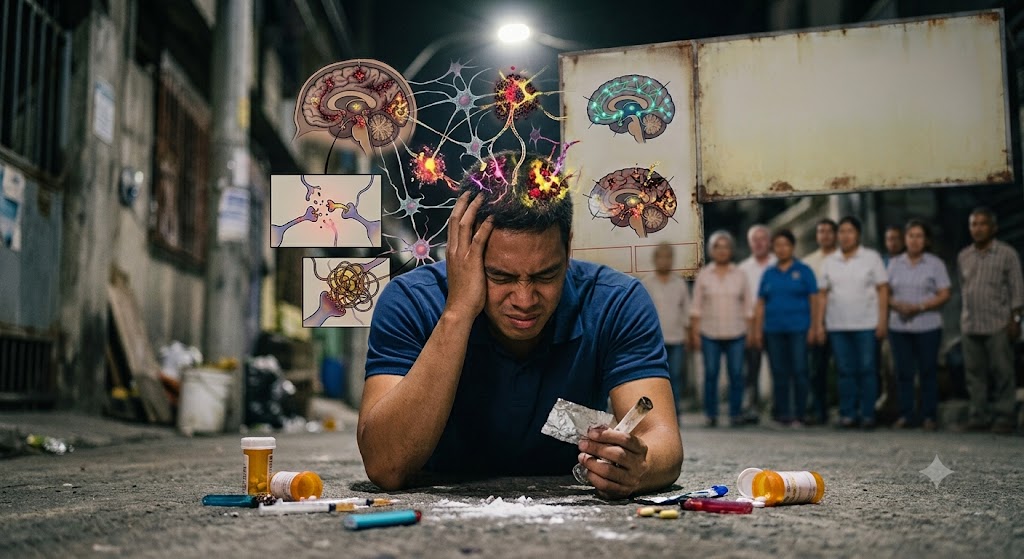
Addiction is far more than a pattern of repeated substance use. It is a complex brain disorder that changes the way a person thinks, feels, and behaves. Drugs interfere with the brain’s natural communication systems, gradually altering judgment, emotional regulation, memory, and self-control. These neurological changes explain why quitting can feel incredibly difficult, even when someone genuinely wants to stop. The encouraging news is that the brain has the capacity to heal with the right treatment and ongoing support. At Brain Attacks, we provide compassionate, individualized addiction recovery services, mental health treatment, inpatient and outpatient care, and holistic healing approaches that empower individuals to rebuild healthy lives.

How Drugs Affect the Brain

The human brain depends on billions of neurons that communicate through chemical messengers called neurotransmitters. These signals regulate everything from motivation and learning to mood and decision-making. When drugs enter the brain, they disrupt this carefully balanced system.

The Brain’s Reward Circuit

Many addictive substances cause a rapid increase in dopamine, a neurotransmitter associated with pleasure and motivation. This flood of dopamine creates intense feelings of reward that encourage repeated substance use.

As drug use continues, the brain adapts by producing less dopamine naturally and becoming less responsive to it. Eventually, activities that once brought happiness no longer feel rewarding, while drugs become the primary source of pleasure. This change reinforces addiction and increases cravings.

Changes in Brain Communication

Repeated substance use changes how different regions of the brain communicate. Areas involved in learning, memory, and habit formation become closely linked to drug-related experiences. Environmental triggers, stressful situations, or certain emotions can then activate powerful cravings, even after someone has stopped using substances.

How Addiction Changes Thinking

One of the most significant effects of addiction is the way it alters cognitive function. Brain changes can affect reasoning, concentration, and decision-making long before individuals recognize the seriousness of their substance use.

Reduced Judgment and Problem Solving

The prefrontal cortex plays an important role in planning, evaluating consequences, and making responsible decisions. Substance abuse weakens this area of the brain, making it more difficult to think clearly or resist impulses.

This neurological change helps explain why individuals may continue using substances despite experiencing health problems, relationship difficulties, or legal consequences.

Memory and Concentration Difficulties

Long-term drug use may also affect memory and attention. Individuals often report difficulty concentrating, forgetting important information, or struggling to complete routine tasks. These challenges can interfere with work, education, and personal relationships.

The Emotional Impact of Addiction

Addiction affects emotional health just as much as cognitive function. Many people experience significant mood changes that become increasingly difficult to manage without professional treatment.

Anxiety and Depression

Substance use frequently disrupts the brain’s natural balance of serotonin, dopamine, and other neurotransmitters involved in emotional regulation. As a result, individuals may experience anxiety, depression, irritability, or emotional numbness.

In some cases, mental health conditions exist before substance use begins. In others, prolonged drug use contributes to the development of new mental health symptoms. This is why integrated treatment that addresses both addiction and mental health is essential.

Increased Emotional Reactivity

As addiction progresses, the brain becomes more sensitive to stress. Situations that once felt manageable may trigger overwhelming emotional reactions. This heightened stress response often contributes to relapse if healthy coping strategies have not yet been developed.

Loss of Self-Control and Behavioral Changes

Many people mistakenly believe addiction reflects poor self-discipline. In reality, substance use changes the brain systems responsible for self-control.

Cravings Become More Powerful

Repeated drug exposure strengthens neural pathways associated with substance use. Over time, cravings become automatic responses that can override rational thinking. Even individuals who are highly motivated to quit may struggle without professional support.

Changes in Daily Behavior

Brain changes often appear through noticeable behavioral shifts, including:

  • Increased impulsivity
  • Withdrawal from family and friends
  • Difficulty maintaining responsibilities
  • Loss of interest in hobbies
  • Secretive or defensive behavior
  • Declining performance at work or school

Recognizing these changes early can encourage timely intervention and improve treatment outcomes.

How Recovery Helps the Brain Heal

Although addiction changes the brain, healing is possible. The brain possesses an incredible ability known as neuroplasticity, which allows it to create new neural pathways and gradually restore healthier functioning.

Inpatient and Outpatient Treatment

Professional treatment provides the structure needed to begin recovery. Inpatient programs offer intensive support, medical supervision, therapy, and a stable environment free from outside triggers. Outpatient care allows individuals to continue receiving counseling, education, and relapse prevention while maintaining work, school, or family responsibilities.

Both levels of care help individuals strengthen healthier thinking patterns and develop practical coping skills.

Holistic and Faith-Based Support

Recovery extends beyond physical sobriety. Holistic approaches such as mindfulness, nutrition, physical activity, stress management, and wellness education support overall brain health and emotional resilience.

For individuals who desire spiritual support, faith-based care can provide hope, purpose, forgiveness, and a stronger sense of connection throughout the recovery journey.

Individualized Treatment Creates Better Outcomes

Every person’s experience with addiction is unique. Effective treatment addresses the individual’s substance use history, mental health needs, personal goals, and family circumstances. Personalized care helps build lasting recovery by treating the whole person rather than only the symptoms of addiction.

Recovery Begins With Understanding

Learning what happens inside the addicted brain helps replace judgment with compassion. Addiction changes how the brain functions, but those changes do not have to be permanent. With evidence-based treatment, holistic support, and individualized care, people can regain emotional balance, improve cognitive function, and build healthier lives.

At Brain Attacks, we believe every individual deserves the opportunity to heal with dignity and hope. Through our addiction recovery services, mental health treatment, inpatient and outpatient programs, and holistic, faith-based approaches, we help individuals move beyond addiction toward lasting wellness. If you or someone you love is struggling with substance use, now is the time to reach out. Recovery begins with one courageous step, and our experienced team is here to help you take it.

How Substance Abuse Impacts the Brain: Understanding Damage, Behavior, and Healing

Substance abuse affects much more than a person’s choices or daily habits. It changes the way the brain works, influencing emotions, thoughts, behaviors, and the ability to make healthy decisions. Drugs and alcohol can interfere with the brain’s natural communication systems, creating changes that make addiction difficult to overcome without professional support. Understanding how substance abuse impacts the brain is an important step toward reducing stigma and recognizing that recovery is possible. At Brain Attacks, we provide compassionate, individualized care through addiction recovery services, mental health treatment, inpatient and outpatient programs, and holistic approaches that support healing from the inside out.

How Substance Abuse Changes the Brain

The brain is a complex system that depends on communication between billions of nerve cells. These cells use chemical messengers called neurotransmitters to control mood, motivation, memory, and behavior. When substances enter the brain, they disrupt this balance and create changes that can become stronger over time.

The Effect of Drugs on the Brain’s Reward System

One of the biggest ways substances affect the brain is through the reward system. Many drugs increase dopamine levels, creating feelings of pleasure and satisfaction. This intense reward response teaches the brain to seek the substance again.

Over time, the brain adapts by producing less natural dopamine. This can make everyday activities feel less enjoyable and create a stronger dependence on drugs or alcohol. The brain begins prioritizing substance use over other important areas of life, including relationships, responsibilities, and personal goals.

Changes in Thinking and Decision-Making

Substance abuse can also affect the prefrontal cortex, the area of the brain responsible for planning, judgment, and impulse control. When this part of the brain is impacted, individuals may struggle with decision-making, managing emotions, and resisting cravings.

These changes help explain why addiction is not simply a matter of willpower. The brain has been altered by repeated substance exposure, creating patterns that require treatment and support to change.

How Addiction Affects Behavior and Mental Health

Substance abuse can influence the way a person behaves, communicates, and responds to challenges. These changes often affect relationships, work, and overall quality of life.

Emotional Changes Caused by Substance Use

Many people struggling with addiction experience increased anxiety, depression, irritability, or emotional numbness. Substance use may begin as a way to cope with stress or emotional pain, but over time it can worsen these struggles.

The brain’s ability to regulate emotions becomes disrupted, making it harder to handle difficult situations without turning to substances. This can create a cycle where emotional distress leads to substance use, and substance use creates more emotional distress.

Behavioral Warning Signs

Changes in behavior may include isolation, secrecy, impulsive decisions, and losing interest in activities that were once meaningful. Individuals may also experience difficulty maintaining responsibilities or relationships.

These behaviors are often signs of underlying changes in brain function. Recognizing them can help individuals and families seek support before the impact becomes more severe.

Signs That Substance Abuse Is Affecting Brain Function

The effects of substance abuse can appear in many ways. Some common signs include:

Cognitive Symptoms

Individuals may experience:

  • Memory problems
  • Difficulty concentrating
  • Poor problem-solving skills
  • Trouble learning new information
  • Confusion or mental fog

These challenges can interfere with daily life and make recovery feel overwhelming without guidance.

Emotional and Social Symptoms

Substance-related brain changes may also cause:

  • Mood swings
  • Increased stress sensitivity
  • Withdrawal from loved ones
  • Loss of motivation
  • Difficulty managing emotions

These symptoms show why effective treatment must address both addiction and mental health.

How Recovery Supports Brain Healing

Although substance abuse can significantly affect the brain, recovery can help restore healthy functioning. The brain has a remarkable ability called neuroplasticity, which allows it to create new connections and develop healthier patterns.

With consistent treatment, support, and healthy habits, the brain can begin repairing the damage caused by addiction.

Inpatient and Outpatient Treatment Options

Professional treatment provides the structure needed for recovery. Inpatient programs offer a supportive environment where individuals can focus fully on healing with therapy, supervision, and comprehensive care.

Outpatient programs provide flexibility while still offering counseling, relapse prevention strategies, and ongoing support. Both options can help individuals rebuild confidence, improve coping skills, and develop a foundation for long-term recovery.

Holistic and Faith-Based Approaches to Healing

Recovery involves more than stopping substance use. Healing the brain requires attention to physical, emotional, and spiritual well-being.

Holistic approaches such as mindfulness, exercise, nutrition, and stress management can support brain health and emotional balance. Faith-based recovery approaches may provide encouragement, purpose, and connection for individuals seeking spiritual support during their healing journey.

Personalized Care for Lasting Recovery

Every person experiences addiction differently. Factors such as personal history, mental health needs, and life circumstances all influence recovery.

At Brain Attacks, individualized treatment focuses on the unique needs of each person. Through therapy, skill development, and ongoing support, individuals can begin rebuilding healthy patterns and moving toward a more stable future.

Healing Begins With Understanding

Understanding how substance abuse impacts the brain helps create compassion and awareness. Addiction changes the brain, but it does not define a person’s future. With the right support, treatment, and commitment, healing is possible.

At Brain Attacks, we are dedicated to helping individuals and families navigate addiction recovery with professional guidance and compassionate care. Our addiction recovery services, mental health treatment, inpatient and outpatient programs, and holistic approaches are designed to support lasting transformation. If you or someone you love is struggling with substance abuse, reaching out for help can be the first step toward recovery and a healthier future.

What Happens to Your Brain on Drugs: The Science Behind Addiction and Recovery

Drug use does not just affect behavior or short-term choices. It changes the brain itself in ways that influence thinking, emotions, memory, and decision-making. These changes are not about weakness or lack of willpower. They are the result of complex neurological adaptations that occur when substances repeatedly interfere with the brain’s communication systems. Understanding what happens to the brain on drugs helps remove stigma and opens the door to meaningful recovery. At Brain Attacks, we provide compassionate, individualized care through addiction recovery services, mental health treatment, inpatient and outpatient programs, and holistic approaches designed to support long-term healing.

How Drugs Change the Brain

The brain is built on a delicate network of neurons that communicate using chemicals called neurotransmitters. Drugs disrupt this system, producing artificial signals of reward while weakening the brain’s natural balance.

Dopamine and the Brain’s Reward System

Most addictive substances trigger a surge of dopamine, the chemical responsible for pleasure and motivation. This creates an intense feeling of reward that reinforces continued use. Over time, the brain reduces its natural dopamine production. As a result, everyday experiences such as relationships, hobbies, or achievements feel less rewarding. This shift is one of the core mechanisms behind addiction.

Rewiring of Neural Pathways

With repeated drug use, the brain strengthens pathways linked to cravings and substance-seeking behavior. At the same time, pathways responsible for impulse control and decision-making become less active. This rewiring explains why addiction can feel automatic and difficult to stop, even when a person wants to change.

Impact on the Prefrontal Cortex

The prefrontal cortex is responsible for judgment, planning, and self-control. Substance use weakens its function, making it harder to evaluate consequences or resist urges. This contributes to impulsive behavior and difficulty maintaining long-term goals during active addiction.

How Addiction Affects Mental Health

Addiction and mental health are closely connected. Substance use can both worsen existing mental health conditions and contribute to new emotional struggles.

Emotional Instability and Mood Changes

Many individuals experience anxiety, depression, irritability, or emotional numbness as a result of long-term substance use. These symptoms are not just emotional reactions. They reflect changes in brain chemistry caused by repeated exposure to drugs or alcohol.

Stress System Dysregulation

Drugs also affect the brain’s stress response system. Over time, the brain becomes more sensitive to stress and less able to return to a balanced state without substances. This creates a cycle where drugs are used to relieve stress, but ultimately increase it.

Signs That Drugs Are Affecting the Brain

Recognizing the signs of brain changes can help individuals and families take early action toward recovery.

Cognitive and Behavioral Signs

Common signs include memory problems, difficulty focusing, poor decision-making, and reduced motivation. Individuals may also become more secretive, withdrawn, or inconsistent in their daily responsibilities.

Emotional and Social Changes

Mood swings, isolation, loss of interest in activities, and difficulty maintaining relationships are also common. These changes reflect how deeply substance use can affect both brain function and emotional regulation.

How Recovery Helps the Brain Heal

Although drug use can significantly impact the brain, recovery is possible. The brain has a natural ability called neuroplasticity, which allows it to form new neural connections and repair damaged pathways over time.

Inpatient and Outpatient Treatment Options

Structured treatment provides the foundation for recovery. Inpatient programs offer a safe, supportive environment with 24-hour care, medical supervision, and intensive therapy. Outpatient programs provide flexibility while continuing counseling, relapse prevention, and accountability. Both approaches help stabilize brain function and support long-term healing.

Holistic and Faith-Based Healing Approaches

Recovery works best when it addresses the whole person. Holistic therapies such as mindfulness, exercise, nutrition, and stress management help regulate brain chemistry and improve emotional balance. Faith-based support can provide purpose, connection, and spiritual grounding, which many individuals find essential during recovery.

Personalized Care for Lasting Recovery

Every person’s experience with addiction is unique. That is why individualized treatment is essential. At Brain Attacks, care plans are tailored to each person’s history, needs, and goals. Therapy, coping skills training, and ongoing support help rebuild healthy thinking patterns and strengthen resilience for long-term recovery.

Moving From Science to Healing

Understanding the science behind addiction helps shift the conversation from judgment to compassion. Addiction is not a failure of character. It is a medical condition rooted in real changes in the brain. The encouraging truth is that the brain can heal, and recovery is always possible with the right support.

At Brain Attacks, we are committed to helping individuals and families navigate recovery with dignity and care. Our addiction recovery services, mental health treatment, inpatient and outpatient programs, and holistic approaches are designed to support full healing of the mind and body. If you or someone you love is struggling with substance use, reach out today. Recovery begins with understanding, and healing begins with one step forward.

From Brain Changes to Healing: What Drug Use Really Does and How Recovery Helps

Drug and alcohol use affects far more than behavior or lifestyle choices. It changes the brain itself, altering how people think, feel, and respond to the world around them. These changes can feel overwhelming, especially when substance use begins to take control of decision-making and emotional stability. The important truth is that while drug use can reshape the brain, recovery can help restore balance and function over time. At Brain Attacks, we provide compassionate, individualized care through addiction recovery services, mental health treatment, inpatient and outpatient programs, and holistic approaches designed to support full healing.

How Drug Use Changes the Brain

The brain relies on a delicate system of communication between neurons that use chemicals called neurotransmitters. Drugs disrupt this system, creating artificial signals of reward and pleasure while interfering with normal brain function.

The Reward System and Dopamine Disruption

Most addictive substances trigger a surge of dopamine, the chemical responsible for pleasure and motivation. This creates a powerful reward response that encourages repeated use. Over time, the brain reduces its natural dopamine production. As a result, everyday experiences such as relationships, hobbies, and accomplishments may no longer feel satisfying. This imbalance is one of the core reasons addiction becomes so difficult to break.

Changes in Brain Structure and Function

Repeated drug use can alter key areas of the brain responsible for decision-making, memory, and impulse control. The prefrontal cortex, which helps regulate judgment and behavior, becomes less effective. At the same time, neural pathways associated with cravings and compulsive behaviors become stronger. This shift explains why addiction often continues even when individuals understand the negative consequences.

The Emotional and Mental Health Impact

Drug use does not only affect cognitive function. It also has a significant impact on emotional regulation and mental health.

Anxiety, Depression, and Mood Instability

Many individuals experience increased anxiety, depression, irritability, or emotional numbness as a result of substance use. These symptoms may begin subtly but often become more severe over time as brain chemistry becomes further disrupted.

Difficulty Managing Stress and Emotions

Substance use weakens the brain’s natural ability to regulate stress. This can lead to emotional overwhelm, difficulty coping with daily challenges, and reliance on substances as a coping mechanism. Unfortunately, this cycle often reinforces continued use and deepens emotional distress.

Signs of Brain Changes from Drug Use

Recognizing the signs of brain changes can help individuals and families seek help sooner. These symptoms often develop gradually and may be mistaken for other issues.

Cognitive and Behavioral Signs

Common signs include memory problems, difficulty concentrating, poor decision-making, and lack of motivation. Individuals may also become more impulsive, withdrawn, or inconsistent in their daily routines.

Emotional and Social Changes

Mood swings, irritability, isolation, and loss of interest in previously enjoyed activities are also common. These changes reflect how deeply substance use can affect both brain function and emotional well-being.

How Recovery Helps Restore the Brain

While drug use can significantly impact the brain, recovery offers a path to healing. The brain has a remarkable ability called neuroplasticity, which allows it to form new neural connections and repair damaged pathways over time.

Inpatient and Outpatient Treatment Options

Structured treatment is often the foundation of recovery. Inpatient programs provide a safe and supportive environment with 24-hour care, medical supervision, and intensive therapy. Outpatient programs offer flexibility while still providing counseling, relapse prevention strategies, and ongoing support. Both approaches help stabilize brain function and support long-term healing.

Holistic and Faith-Based Healing Approaches

Recovery is most effective when it supports the whole person. Holistic therapies such as mindfulness, exercise, nutrition, and stress management help regulate brain chemistry and improve emotional balance. Faith-based support can also provide purpose, hope, and spiritual grounding, which many individuals find essential during recovery.

Personalized Care for Long-Term Healing

Every recovery journey is unique. At Brain Attacks, treatment plans are tailored to each individual’s needs, history, and goals. Therapy, coping skills development, and ongoing support work together to rebuild healthy thought patterns and strengthen resilience.

Moving From Brain Changes to Healing

Understanding what drug use does to the brain is not about creating fear. It is about creating awareness and hope. Addiction is a medical condition that affects the brain, but it is also one that can improve with the right care and support. Recovery is possible, and healing happens step by step.

At Brain Attacks, we are committed to helping individuals and families move from struggle to stability. Our addiction recovery services, mental health treatment, inpatient and outpatient care, and holistic programs are designed to restore balance and support long-term healing. If you or someone you love is struggling with substance use, reach out today. Recovery begins with understanding, and healing begins with one decision to get help.

The Brain Under Stress: How Substance Use Impacts Thinking, Emotion, and Control

Substance use places the brain under intense and sustained stress. While many people associate addiction with behavior alone, the reality is that drugs and alcohol directly affect how the brain processes thoughts, regulates emotions, and manages impulse control. Over time, this stress response becomes chronic, reshaping neural pathways and making it increasingly difficult to think clearly or make healthy decisions. Understanding how substance use impacts the brain is an important step toward recovery. At Brain Attacks, we offer compassionate, individualized care through addiction recovery services, mental health treatment, inpatient and outpatient programs, and holistic approaches designed to support brain healing and long-term stability.

How Substance Use Creates Stress in the Brain

The brain is designed to respond to stress in short bursts, helping individuals react to challenges and then return to balance. Substance use disrupts this system, keeping the brain in a prolonged state of chemical imbalance and emotional strain.

Disruption of the Stress Response System

Drugs and alcohol interfere with the hypothalamic-pituitary-adrenal axis, which regulates the body’s stress response. This disruption can cause heightened anxiety, irritability, and difficulty calming down after stressful events. Over time, the brain becomes less capable of returning to a balanced state without the substance.

Overactivation of Reward and Stress Pathways

Substance use floods the brain with dopamine while simultaneously increasing stress sensitivity. This combination creates a cycle where the brain becomes dependent on substances to relieve discomfort. Without them, stress levels feel overwhelming, reinforcing continued use.

How Substance Use Affects Thinking and Cognition

Chronic substance use places significant strain on areas of the brain responsible for cognitive function. These changes can affect clarity, judgment, and problem-solving ability.

Difficulty with Focus and Memory

Many individuals experience trouble concentrating, remembering details, or organizing thoughts. These cognitive impairments are often linked to changes in how neurons communicate under the influence of substances.

Impaired Decision-Making

The prefrontal cortex, which is responsible for reasoning and self-control, becomes less effective under chronic substance use. This can lead to impulsive decisions and difficulty weighing consequences, especially in high-stress situations.

Emotional Effects of Substance Use on the Brain

Substance use does not only affect thinking. It also deeply impacts emotional regulation and mental health.

Mood Instability and Emotional Dysregulation

Many individuals experience mood swings, irritability, anxiety, or depression. These emotional shifts are often the result of disrupted neurotransmitter balance, particularly in dopamine and serotonin systems.

Emotional Numbing and Disconnection

In some cases, prolonged substance use leads to emotional blunting. Individuals may feel disconnected from themselves or others, making it harder to maintain relationships or find motivation in daily life.

Behavioral Changes Linked to Brain Stress

When the brain is under constant stress from substance use, behavior often changes in noticeable ways.

Increased Impulsivity and Risk Taking

Individuals may engage in risky behaviors or make decisions without fully considering consequences. This is often tied to weakened impulse control and heightened stress reactivity.

Withdrawal and Avoidance

Social withdrawal, secrecy, and avoidance of responsibilities are also common. These behaviors often reflect the brain’s attempt to reduce stress and discomfort.

How Recovery Helps the Brain Heal

While substance use creates significant stress on the brain, recovery offers a path to restoration. The brain has a natural ability called neuroplasticity, which allows it to form new neural connections and gradually regain balance.

Inpatient and Outpatient Treatment for Stability

Structured treatment provides the foundation for recovery. Inpatient programs offer a safe, supportive environment with medical care, therapy, and stabilization. Outpatient programs provide continued support while allowing individuals to maintain daily responsibilities. Both approaches help reduce stress on the brain and support healing.

Holistic and Faith-Based Approaches to Recovery

Healing the brain requires more than abstinence from substances. Holistic approaches such as mindfulness, physical activity, nutrition, and stress management help regulate the nervous system and improve emotional balance. Faith-based care can also provide meaning, hope, and spiritual grounding, which many individuals find essential in recovery.

Personalized Treatment for Long-Term Healing

Every recovery journey is unique. At Brain Attacks, treatment plans are tailored to each individual’s needs, history, and goals. Therapy, coping strategies, and ongoing support work together to rebuild cognitive function, strengthen emotional resilience, and support lasting recovery.

Moving From Stress to Healing

Understanding how substance use impacts the brain under stress helps shift the perspective from judgment to compassion. Addiction is not simply a behavioral issue. It is a medical condition that affects how the brain functions, but it is also one that can improve with the right support and care.

At Brain Attacks, we are committed to helping individuals and families navigate recovery with compassion and evidence-based treatment. Our addiction recovery services, mental health treatment, inpatient and outpatient care, and holistic programs are designed to restore balance to both brain and body. If you or someone you love is struggling with substance use, reach out today. Healing is possible, and support is available when you are ready to begin.

How Drugs Rewire the Brain: The Hidden Damage Behind Addiction and Recovery

Addiction is not just a behavioral struggle. It is a deeply rooted brain condition that changes how a person thinks, feels, and responds to the world. When drugs are used repeatedly, they alter the brain’s communication systems, reshaping circuits responsible for pleasure, motivation, decision-making, and emotional control. These changes are often invisible at first, but they have a powerful impact over time. Understanding how drugs rewire the brain is essential for recognizing addiction as a medical condition and for understanding how recovery becomes possible. At Brain Attacks, we provide compassionate, individualized care through addiction recovery services, mental health treatment, inpatient and outpatient programs, and holistic support designed to help restore balance and long-term wellness.

How Drugs Change Brain Function

The brain operates through a complex system of neurons that communicate using chemical messengers called neurotransmitters. Drugs interfere with this system, creating artificial surges of pleasure while disrupting natural brain balance.

Dopamine and the Brain’s Reward System

Most addictive substances increase dopamine levels, which are responsible for feelings of pleasure and reward. This creates a powerful reinforcement loop that encourages repeated use. Over time, the brain reduces its natural dopamine production. As a result, normal activities such as social connection, hobbies, or personal achievement feel less satisfying. This is one of the key reasons addiction becomes so persistent and difficult to overcome.

Strengthening of Addiction Pathways

With continued substance use, the brain begins to strengthen neural pathways associated with cravings and drug-seeking behavior. At the same time, pathways responsible for impulse control and long-term decision-making weaken. This neurological shift makes substance use feel automatic, even when a person is aware of the harm it causes.

The Hidden Damage of Addiction on the Brain

Much of the damage caused by addiction is not immediately visible, which is why it is often misunderstood. However, these changes affect nearly every aspect of daily functioning.

Impaired Decision-Making and Self-Control

The prefrontal cortex, which regulates judgment and impulse control, is significantly affected by substance use. When this area is weakened, individuals may struggle to evaluate consequences, resist cravings, or maintain long-term goals. This is not a matter of willpower but a reflection of altered brain function.

Emotional Dysregulation and Mental Health Struggles

Drugs also impact the brain’s ability to regulate emotions. Many individuals experience heightened anxiety, depression, irritability, or emotional numbness. In many cases, substance use begins as a way to cope with emotional pain but ultimately worsens mental health symptoms over time.

Signs the Brain Has Been Rewired by Addiction

Recognizing the signs of neurological change can help individuals and families seek help sooner.

Cognitive and Behavioral Signs

Common signs include difficulty concentrating, memory problems, impulsive decision-making, and a lack of motivation. Individuals may also begin withdrawing from responsibilities, relationships, or activities they once valued.

Emotional and Social Changes

Mood swings, emotional instability, isolation, and difficulty managing stress are also common indicators. These changes reflect how deeply substance use has affected brain function and emotional regulation.

How Recovery Helps Rebuild the Brain

While addiction rewires the brain, recovery allows it to heal. The brain has a natural ability called neuroplasticity, which enables it to form new neural connections and repair damaged pathways over time. With the right treatment, balance can be restored.

Inpatient and Outpatient Treatment for Stabilization

Structured care is often the foundation of recovery. Inpatient programs provide a safe, supportive environment with medical supervision and intensive therapy. Outpatient programs offer flexibility while still providing counseling, relapse prevention, and ongoing accountability. Both approaches help stabilize brain function and support early recovery progress.

Holistic and Faith-Based Healing Approaches

Recovery is most effective when it addresses the whole person. Holistic therapies such as mindfulness, exercise, nutrition, and stress management help regulate brain chemistry and improve emotional well-being. Faith-based care can also offer purpose, spiritual connection, and community support, which many individuals find essential for long-term healing.

Personalized Treatment for Lasting Recovery

Every individual’s experience with addiction is different, which is why personalized care is essential. At Brain Attacks, treatment plans are tailored to each person’s needs, history, and goals. Therapy, coping skill development, and ongoing support work together to rebuild healthy thought patterns and support sustained recovery.

Moving Toward Healing and Balance

Understanding how drugs rewire the brain helps shift the conversation from blame to healing. Addiction is not a moral failure. It is a medical condition that affects the brain, but it is also one that can improve with the right care and support. Recovery is possible, and the brain can heal in meaningful ways over time.

At Brain Attacks, we are committed to helping individuals and families navigate recovery with compassion and evidence-based care. Our addiction recovery services, mental health treatment, inpatient and outpatient programs, and holistic approaches are designed to support full brain and emotional healing. If you or someone you love is struggling with substance use, reach out today. Healing begins with one step, and you do not have to take it alone.

What Substance Abuse Does to the Brain: Understanding the Science Behind Addiction

Substance abuse affects far more than physical health. It changes the way the brain functions, influencing emotions, decision-making, behavior, and mental well-being. Addiction is not simply about poor choices or lack of willpower. It is a complex condition rooted in neurological changes that make stopping substance use incredibly difficult without support. Understanding the science behind addiction can help individuals and families replace shame with knowledge and fear with hope. At Brain Attacks, we provide compassionate, individualized care through addiction recovery services, mental health treatment, inpatient and outpatient programs, and holistic approaches that support lasting healing.

How the Brain Responds to Drugs and Alcohol

The brain relies on a network of neurons that communicate using chemical messengers called neurotransmitters. These chemicals regulate mood, motivation, memory, and behavior. Drugs and alcohol interfere with this system, creating artificial highs while disrupting normal brain function.

Dopamine and the Reward System

Most addictive substances cause a surge of dopamine, the neurotransmitter associated with pleasure and reward. This creates feelings of euphoria that the brain quickly learns to associate with substance use. Over time, the brain reduces its natural dopamine production. As a result, everyday activities such as spending time with loved ones, exercising, or achieving goals may no longer feel rewarding.

This shift is one reason addiction becomes so difficult to break. The brain begins to prioritize substance use above healthy behaviors because it has been conditioned to seek that artificial reward.

Changes in Brain Structure

Long-term substance abuse can physically alter key areas of the brain. The prefrontal cortex, which controls judgment, impulse control, and decision-making, often becomes weaker. At the same time, the brain strengthens pathways related to cravings and compulsive behaviors. These neurological changes help explain why addiction can continue even when someone understands the harmful consequences.

The Connection Between Addiction and Mental Health

Substance abuse and mental health conditions are closely linked. Many individuals struggling with addiction also experience anxiety, depression, trauma, or chronic stress. In some cases, substances are used to numb emotional pain. In others, substance use itself contributes to worsening mental health symptoms.

Emotional Changes Caused by Substance Abuse

Drugs and alcohol can disrupt the brain’s ability to regulate emotions. Mood swings, irritability, anxiety, and emotional numbness are all common signs that brain chemistry has been affected. Over time, these emotional struggles can impact relationships, employment, and overall quality of life.

Cognitive and Behavioral Effects

Addiction can also affect memory, concentration, and problem-solving skills. Individuals may become more impulsive, withdrawn, or unable to manage responsibilities effectively. These behavioral changes are often signs of underlying neurological disruption rather than intentional actions.

Signs That Substance Abuse Is Affecting the Brain

Brain-related changes caused by addiction often develop gradually. Recognizing these signs early can help individuals seek treatment before the damage becomes more severe.

Common Warning Signs

Some of the most common signs include:

  • Difficulty concentrating or remembering information
  • Increased mood swings or emotional instability
  • Poor judgment and impulsive behavior
  • Withdrawal from relationships or activities
  • Increased anxiety, depression, or irritability
  • Trouble managing stress without substances

These symptoms may feel overwhelming, but they also indicate that the brain needs support and healing.

How Treatment Supports Brain Recovery

The brain has a remarkable ability to recover through a process called neuroplasticity. This means the brain can form new neural connections and regain healthier functioning over time. Recovery is not immediate, but with the right treatment and support, healing is possible.

Inpatient and Outpatient Addiction Treatment

Structured care provides stability during recovery. Inpatient treatment offers a safe environment with medical supervision, therapy, and around-the-clock support. Outpatient programs provide flexibility while still offering counseling, relapse prevention strategies, and accountability. Both options are designed to support long-term brain and emotional healing.

Holistic and Faith-Based Approaches to Recovery

At Brain Attacks, recovery is approached from a whole-person perspective. Holistic therapies such as mindfulness, exercise, nutrition, and stress management can help regulate brain chemistry and improve emotional balance. Faith-based support can also provide purpose, hope, and spiritual grounding for individuals seeking a deeper connection during recovery.

Personalized Care for Lasting Change

Every person experiences addiction differently. That is why individualized treatment is essential. Personalized care plans allow treatment teams to address each individual’s mental health needs, substance use history, and recovery goals. Therapy, coping skills development, and ongoing support help strengthen resilience and promote lasting sobriety.

Healing Starts With Understanding

Understanding what substance abuse does to the brain can help remove stigma and encourage people to seek help sooner. Addiction changes the brain, but it does not define a person’s future. With compassionate care, professional support, and evidence-based treatment, recovery is possible.

At Brain Attacks, we are committed to helping individuals and families navigate recovery with dignity, respect, and hope. Our addiction recovery services, mental health treatment, inpatient and outpatient programs, and holistic healing approaches are designed to support full recovery of the mind and body. If you or someone you love is struggling with substance abuse, reach out today. Healing begins with the decision to take the first step.

Inside the Addicted Brain: How Drugs Disrupt Mental Health and Change Behavior

Addiction is not simply a matter of choice or discipline. It is a complex brain condition that changes how people think, feel, and behave. When drugs or alcohol enter the system repeatedly, they alter the brain’s communication pathways, especially those involved in mood regulation, decision-making, and reward processing. These changes can make stopping substance use extremely difficult without support. At Brain Attacks, we understand the science behind addiction and provide compassionate, individualized care through addiction recovery services, mental health treatment, inpatient and outpatient programs, and holistic healing approaches designed to support full recovery.

How Drugs Affect the Brain’s Communication System

The brain depends on a delicate balance of neurotransmitters to regulate emotions, behavior, and cognitive function. Drugs interfere with this balance, creating short-term highs but long-term disruption in how the brain operates.

Dopamine and the Reward System

Most addictive substances increase dopamine, a chemical responsible for pleasure, motivation, and reinforcement of behavior. This surge creates an intense feeling of reward that the brain quickly learns to repeat. Over time, however, the brain reduces its natural dopamine production. As a result, everyday experiences like social connection, hobbies, or achievement no longer feel satisfying, which drives continued substance use.

Changes in Brain Structure and Function

Repeated drug use can physically change areas of the brain responsible for decision-making, memory, and impulse control. The prefrontal cortex, which helps regulate behavior and assess consequences, becomes less active. At the same time, the brain strengthens pathways associated with cravings and compulsive use. This combination helps explain why addiction can feel overpowering even when a person wants to stop.

How Addiction Affects Mental Health

Addiction and mental health are deeply connected. Substance use can both worsen existing mental health conditions and contribute to new ones. This creates a cycle where emotional distress and drug use reinforce each other.

Emotional Instability and Mood Disorders

Many individuals struggling with addiction experience anxiety, depression, irritability, or emotional numbness. These symptoms are not just side effects of substance use. They reflect how the brain’s emotional regulation systems have been disrupted.

Cognitive and Behavioral Changes

Drug use can impair memory, concentration, and problem-solving abilities. It can also lead to impulsive decision-making, social withdrawal, and difficulty maintaining relationships or responsibilities. These changes often develop gradually, making them difficult to recognize without support.

Recognizing the Signs of an Addicted Brain

Understanding the signs of brain changes caused by substance use is an important step toward recovery. These signs often affect both behavior and emotional well-being.

Common Behavioral Signs

People may begin to isolate themselves, lose interest in previously enjoyed activities, or show sudden changes in routines. Risk-taking behaviors and secrecy are also common indicators that the brain’s reward system is being heavily influenced by substances.

Emotional and Cognitive Warning Signs

Mood swings, difficulty focusing, increased stress sensitivity, and memory problems are all signs that brain function may be affected. Recognizing these symptoms early can help individuals and families seek timely intervention.

How Recovery Helps Restore Brain Function

The brain has a powerful ability to heal through a process called neuroplasticity. With the right treatment and support, it can form new connections and regain healthier functioning over time. Recovery is not just about stopping substance use. It is about rebuilding the brain and restoring balance.

Inpatient and Outpatient Treatment Support

Structured treatment plays a key role in recovery. Inpatient programs provide a safe, supervised environment where individuals can stabilize and begin healing with intensive support. Outpatient programs offer continued care while allowing flexibility for daily life. Both approaches help strengthen coping skills and support long-term recovery.

Holistic and Faith-Based Healing Approaches

Healing the brain involves more than clinical treatment. Holistic approaches such as mindfulness, physical activity, nutrition, and stress management support emotional regulation and overall brain health. Faith-based care can provide spiritual guidance, purpose, and a sense of connection, which many individuals find essential during recovery.

Personalized Treatment for Lasting Recovery

Every person’s experience with addiction is different. That is why individualized care is essential. At Brain Attacks, treatment plans are tailored to each client’s unique needs, history, and goals. Therapy, skill development, and ongoing support work together to help rebuild healthy thinking patterns and support long-term sobriety.

Moving Forward With Hope

Understanding how addiction changes the brain is not about creating fear. It is about creating awareness and hope. While substance use can disrupt mental health and behavior, recovery is possible with the right support and treatment. The brain can heal, and lives can be rebuilt.

At Brain Attacks, we are committed to helping individuals and families navigate recovery with compassion and clinical expertise. Our addiction recovery services, mental health treatment, inpatient and outpatient care, and holistic programs are designed to support lasting healing. If you or someone you love is struggling with substance use, reach out today. Recovery begins with understanding, and healing begins with one step forward.

Breaking the Cycle: How Drugs Change the Brain and How Treatment Restores Balance

Addiction is often described as a cycle, but behind that cycle is a real and measurable change in the brain. Drugs and alcohol do not only affect behavior. They reshape how the brain processes reward, stress, memory, and decision-making. Over time, these changes can make it feel impossible to stop without help. The good news is that the brain is capable of healing when given the right support. At Brain Attacks, we provide compassionate, individualized care through addiction recovery services, mental health treatment, inpatient and outpatient programs, and holistic approaches designed to restore balance and support long-term recovery.

How Drugs Change the Brain

Substance use alters the brain’s communication system by interfering with neurotransmitters. These chemical messengers control everything from mood and motivation to learning and impulse control. When drugs repeatedly disrupt this system, the brain begins to adapt in ways that reinforce continued use.

The Reward System and Dopamine Overload

Most addictive substances trigger a surge of dopamine, the brain’s primary “reward” chemical. This creates intense feelings of pleasure or euphoria. However, with continued use, the brain reduces its natural dopamine production. As a result, normal experiences such as relationships, hobbies, or achievements feel less rewarding. This imbalance drives the need for more substance use just to feel “normal.”

Rewiring of Neural Pathways

The brain strengthens behaviors that are repeated often. When drug use becomes frequent, neural pathways linked to cravings and substance-seeking become stronger. At the same time, pathways responsible for self-control and long-term decision-making weaken. This is why addiction can feel automatic, even when a person wants to stop.

Impact on Stress and Emotional Regulation

Drugs also affect the brain’s stress systems. Over time, individuals may feel more anxious, irritable, or emotionally unstable when not using substances. This creates a cycle where drugs are used to relieve discomfort, but ultimately increase emotional distress.

Signs the Brain Has Been Affected by Substance Use

Recognizing brain-related changes is an important step toward seeking help. These signs often develop gradually and may not be immediately connected to substance use.

Cognitive Changes

Memory problems, difficulty concentrating, and reduced problem-solving ability are common. Tasks that once felt simple may become overwhelming, especially as substance use continues.

Emotional and Behavioral Shifts

Mood swings, increased impulsivity, withdrawal from relationships, and loss of interest in daily activities are all indicators that brain function may be affected. These changes are not moral failures. They are signs of neurological adaptation.

How Treatment Restores Balance in the Brain

While addiction changes the brain, recovery is possible because of neuroplasticity. This is the brain’s ability to form new connections and repair damaged pathways. With the right treatment, balance can be restored over time.

Inpatient and Outpatient Care for Stabilization

Structured treatment is often the foundation of recovery. Inpatient care provides a safe, supportive environment with 24-hour supervision, medical support, and intensive therapy. Outpatient programs offer flexibility while continuing counseling and relapse prevention support. Both approaches help stabilize brain function and support early healing.

Holistic and Faith-Based Healing Approaches

True recovery involves more than stopping substance use. Holistic therapies such as mindfulness, exercise, nutrition, and stress management help regulate brain chemistry and improve emotional stability. Faith-based support can also provide purpose, meaning, and spiritual grounding, which many individuals find essential in rebuilding their lives.

Individualized Treatment for Lasting Recovery

No two people experience addiction in the same way. That is why personalized care is essential. At Brain Attacks, treatment plans are tailored to each individual’s needs, history, and recovery goals. Therapy, skill-building, and ongoing support work together to rebuild healthy thought patterns and strengthen resilience.

Breaking the Cycle and Moving Forward

Breaking the cycle of addiction is not about willpower alone. It is about understanding how the brain has changed and giving it the support it needs to heal. With time, structure, and compassionate care, the brain can regain balance and function in healthier ways.

At Brain Attacks, we are committed to walking alongside individuals and families through every stage of recovery. Our addiction recovery services, mental health treatment, inpatient and outpatient care, and holistic programs are designed to restore both brain and emotional health. If you or someone you love is struggling with substance use, reach out today. Healing is possible, and breaking the cycle can start with one courageous step.

When Substance Abuse Affects the Mind: Signs of Brain Damage and Hope for Recovery

Substance abuse does not only impact behavior or daily routines. It directly affects the brain, changing how a person thinks, feels, remembers, and makes decisions. Over time, these changes can become deeply ingrained, making it difficult to stop using substances without support. The important truth is that these effects are not permanent in many cases, and recovery is possible with the right care. At Brain Attacks, we provide compassionate, individualized treatment through addiction recovery services, mental health care, inpatient and outpatient programs, and holistic support designed to help restore both brain health and overall stability.

How Substance Abuse Impacts the Brain

The brain is built on complex communication between neurons that rely on chemical messengers called neurotransmitters. Drugs and alcohol interfere with this system, creating short-term pleasure while disrupting long-term brain function.

Disruption of Dopamine and Reward Pathways

Many substances increase dopamine levels, which control pleasure and motivation. This creates an intense feeling of reward that reinforces continued use. Over time, the brain reduces its natural dopamine production. As a result, everyday experiences like relationships, work, or hobbies may feel less enjoyable. This imbalance is a core driver of addiction and one of the reasons stopping can be so difficult.

Changes in Brain Structure and Function

Long-term substance use can alter areas of the brain responsible for memory, learning, and emotional regulation. The prefrontal cortex, which controls decision-making and impulse control, is often weakened. This can lead to difficulty resisting cravings, poor judgment, and challenges in planning for the future.

Signs of Brain Damage from Substance Abuse

Recognizing the signs of brain changes caused by substance use is an important step toward seeking help. These symptoms often develop gradually and may be mistaken for stress or emotional struggles.

Cognitive and Memory Problems

Individuals may experience difficulty concentrating, forgetfulness, or trouble processing information. Tasks that once felt simple may become overwhelming. These cognitive changes are often linked to how substances affect neural pathways in the brain.

Emotional Instability and Mood Changes

Substance abuse can lead to mood swings, irritability, anxiety, or depression. Some individuals may feel emotionally numb or disconnected from others. These changes reflect how addiction disrupts the brain’s ability to regulate emotions.

Behavioral Changes and Decision-Making Issues

Warning signs can include impulsive behavior, withdrawal from relationships, secrecy, and difficulty maintaining responsibilities. These behaviors are not simply choices but often symptoms of altered brain function.

Hope for Recovery and Brain Healing

While substance abuse can significantly impact the brain, the brain also has a powerful ability to heal through neuroplasticity. With the right support, new neural pathways can form, and healthier patterns can replace those associated with addiction.

Inpatient and Outpatient Treatment Options

Structured treatment plays a key role in recovery. Inpatient programs provide a safe, supportive environment with medical supervision and intensive therapy. Outpatient programs offer flexibility while still providing counseling, accountability, and ongoing support. Both approaches help stabilize brain function and support long-term healing.

Holistic and Faith-Based Recovery Support

Recovery is most effective when it addresses the whole person. Holistic therapies such as mindfulness, exercise, nutrition, and stress management help regulate brain chemistry and improve emotional balance. Faith-based support can also provide purpose, connection, and spiritual grounding, which many individuals find meaningful in their recovery journey.

Personalized Care for Long-Term Healing

No two recovery journeys are the same. That is why individualized treatment is essential. At Brain Attacks, care plans are tailored to each person’s unique needs, history, and goals. Therapy, skill-building, and ongoing support help rebuild cognitive function, strengthen emotional resilience, and support lasting sobriety.

Moving Toward a Healthier Future

Understanding how substance abuse affects the mind is not about fear. It is about awareness and hope. Addiction may change the brain, but it does not define a person’s future. With compassionate care and evidence-based treatment, healing is possible.

At Brain Attacks, we are committed to guiding individuals and families through every stage of recovery. Our addiction recovery services, mental health treatment, inpatient and outpatient care, and holistic programs are designed to support full healing of the mind and body. If you or someone you love is struggling with substance use, reach out today. Recovery is possible, and support is available when you are ready to take the first step.