Addiction is far more than a pattern of repeated substance use. It is a complex brain disorder that changes the way a person thinks, feels, and behaves. Drugs interfere with the brain’s natural communication systems, gradually altering judgment, emotional regulation, memory, and self-control. These neurological changes explain why quitting can feel incredibly difficult, even when someone genuinely wants to stop. The encouraging news is that the brain has the capacity to heal with the right treatment and ongoing support. At Brain Attacks, we provide compassionate, individualized addiction recovery services, mental health treatment, inpatient and outpatient care, and holistic healing approaches that empower individuals to rebuild healthy lives.
How Drugs Affect the Brain
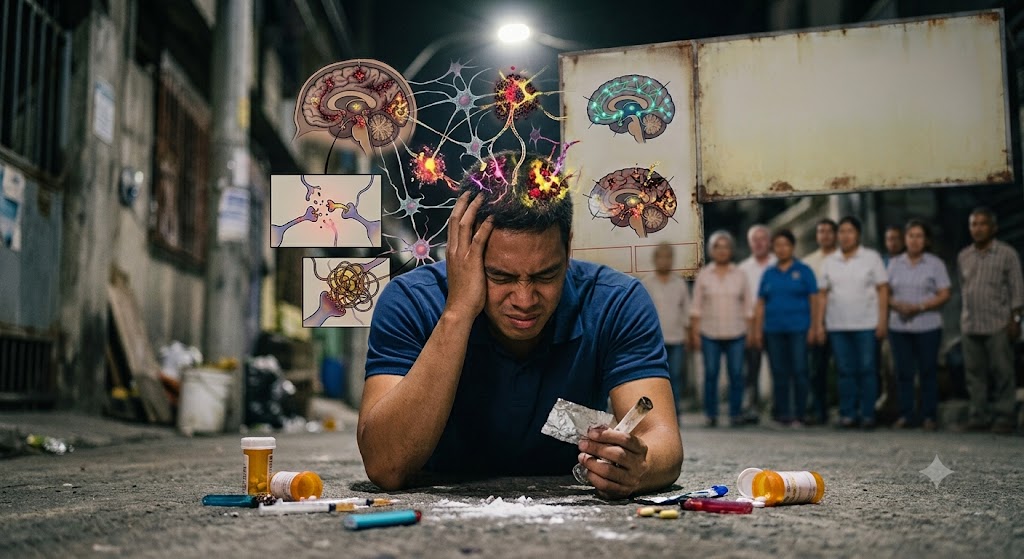
The human brain depends on billions of neurons that communicate through chemical messengers called neurotransmitters. These signals regulate everything from motivation and learning to mood and decision-making. When drugs enter the brain, they disrupt this carefully balanced system.
The Brain’s Reward Circuit
Many addictive substances cause a rapid increase in dopamine, a neurotransmitter associated with pleasure and motivation. This flood of dopamine creates intense feelings of reward that encourage repeated substance use.
As drug use continues, the brain adapts by producing less dopamine naturally and becoming less responsive to it. Eventually, activities that once brought happiness no longer feel rewarding, while drugs become the primary source of pleasure. This change reinforces addiction and increases cravings.
Changes in Brain Communication
Repeated substance use changes how different regions of the brain communicate. Areas involved in learning, memory, and habit formation become closely linked to drug-related experiences. Environmental triggers, stressful situations, or certain emotions can then activate powerful cravings, even after someone has stopped using substances.
How Addiction Changes Thinking
One of the most significant effects of addiction is the way it alters cognitive function. Brain changes can affect reasoning, concentration, and decision-making long before individuals recognize the seriousness of their substance use.
Reduced Judgment and Problem Solving
The prefrontal cortex plays an important role in planning, evaluating consequences, and making responsible decisions. Substance abuse weakens this area of the brain, making it more difficult to think clearly or resist impulses.
This neurological change helps explain why individuals may continue using substances despite experiencing health problems, relationship difficulties, or legal consequences.
Memory and Concentration Difficulties
Long-term drug use may also affect memory and attention. Individuals often report difficulty concentrating, forgetting important information, or struggling to complete routine tasks. These challenges can interfere with work, education, and personal relationships.
The Emotional Impact of Addiction
Addiction affects emotional health just as much as cognitive function. Many people experience significant mood changes that become increasingly difficult to manage without professional treatment.
Anxiety and Depression
Substance use frequently disrupts the brain’s natural balance of serotonin, dopamine, and other neurotransmitters involved in emotional regulation. As a result, individuals may experience anxiety, depression, irritability, or emotional numbness.
In some cases, mental health conditions exist before substance use begins. In others, prolonged drug use contributes to the development of new mental health symptoms. This is why integrated treatment that addresses both addiction and mental health is essential.
Increased Emotional Reactivity
As addiction progresses, the brain becomes more sensitive to stress. Situations that once felt manageable may trigger overwhelming emotional reactions. This heightened stress response often contributes to relapse if healthy coping strategies have not yet been developed.
Loss of Self-Control and Behavioral Changes
Many people mistakenly believe addiction reflects poor self-discipline. In reality, substance use changes the brain systems responsible for self-control.
Cravings Become More Powerful
Repeated drug exposure strengthens neural pathways associated with substance use. Over time, cravings become automatic responses that can override rational thinking. Even individuals who are highly motivated to quit may struggle without professional support.
Changes in Daily Behavior
Brain changes often appear through noticeable behavioral shifts, including:
- Increased impulsivity
- Withdrawal from family and friends
- Difficulty maintaining responsibilities
- Loss of interest in hobbies
- Secretive or defensive behavior
- Declining performance at work or school
Recognizing these changes early can encourage timely intervention and improve treatment outcomes.
How Recovery Helps the Brain Heal
Although addiction changes the brain, healing is possible. The brain possesses an incredible ability known as neuroplasticity, which allows it to create new neural pathways and gradually restore healthier functioning.
Inpatient and Outpatient Treatment
Professional treatment provides the structure needed to begin recovery. Inpatient programs offer intensive support, medical supervision, therapy, and a stable environment free from outside triggers. Outpatient care allows individuals to continue receiving counseling, education, and relapse prevention while maintaining work, school, or family responsibilities.
Both levels of care help individuals strengthen healthier thinking patterns and develop practical coping skills.
Holistic and Faith-Based Support
Recovery extends beyond physical sobriety. Holistic approaches such as mindfulness, nutrition, physical activity, stress management, and wellness education support overall brain health and emotional resilience.
For individuals who desire spiritual support, faith-based care can provide hope, purpose, forgiveness, and a stronger sense of connection throughout the recovery journey.
Individualized Treatment Creates Better Outcomes
Every person’s experience with addiction is unique. Effective treatment addresses the individual’s substance use history, mental health needs, personal goals, and family circumstances. Personalized care helps build lasting recovery by treating the whole person rather than only the symptoms of addiction.
Recovery Begins With Understanding
Learning what happens inside the addicted brain helps replace judgment with compassion. Addiction changes how the brain functions, but those changes do not have to be permanent. With evidence-based treatment, holistic support, and individualized care, people can regain emotional balance, improve cognitive function, and build healthier lives.
At Brain Attacks, we believe every individual deserves the opportunity to heal with dignity and hope. Through our addiction recovery services, mental health treatment, inpatient and outpatient programs, and holistic, faith-based approaches, we help individuals move beyond addiction toward lasting wellness. If you or someone you love is struggling with substance use, now is the time to reach out. Recovery begins with one courageous step, and our experienced team is here to help you take it.