Category Archives: Uncategorized

Brain on the Brink: The Neuroscience of Substance-Induced Damage

Addiction is more than a struggle with cravings. It is a neurological condition that disrupts the brain’s most vital systems, reshaping how we think, feel, and act. Drugs and alcohol can damage brain cells, interfere with neurotransmitter function, and weaken essential regions responsible for memory, decision-making, and emotional stability. At BrainAttacks.net, we believe that understanding the science behind these changes is the first step toward meaningful recovery. With compassionate care and holistic healing, the brain can begin to repair itself, and life can be restored.


How Substances Interfere with Brain Function

The brain relies on delicate chemical and electrical communication to operate effectively. When substances like alcohol, opioids, or stimulants are introduced, this balance is disrupted, and the brain’s natural rhythm begins to falter.

The Hijacked Reward System

Addictive substances flood the brain with dopamine, the chemical responsible for pleasure and motivation. While this surge initially creates a powerful high, long-term use rewires the reward system. Everyday joys like spending time with family or achieving goals lose their appeal, while the brain becomes singularly focused on obtaining the substance.

Structural Damage to Key Regions

Substance abuse does not just alter brain chemistry. It physically damages important areas:

  • Prefrontal cortex: Weakens decision-making and self-control, leading to impulsivity.
  • Hippocampus: Shrinks with prolonged alcohol or drug use, causing memory lapses.
  • Amygdala: Becomes overactive, fueling anxiety, fear, and mood swings.

These changes deepen the cycle of addiction and make independent recovery difficult without professional support.


The Cognitive and Emotional Decline

Substance-induced brain damage often shows up in ways that affect daily life:

  • Struggles with memory and concentration
  • Increased irritability or depressive symptoms
  • Difficulty regulating emotions
  • Reduced motivation and impaired judgment

These challenges are not signs of weakness but rather the direct result of neurological disruption. Recognizing this reality helps break down stigma and encourages compassion for those struggling with addiction.


The Path Toward Healing

While the brain can be severely affected by drugs and alcohol, it also has a remarkable ability to heal through neuroplasticity. With the right treatment and support, individuals can regain cognitive strength, emotional stability, and renewed purpose.

Inpatient and Outpatient Recovery Programs

At BrainAttacks.net, we offer both inpatient and outpatient programs. Inpatient care provides a safe, structured environment for those needing intensive support, while outpatient programs allow for flexibility and continued healing in daily life.

Holistic and Faith-Based Approaches

We know that true recovery goes beyond medical treatment. That is why we integrate holistic practices such as mindfulness, nutrition, and exercise, alongside faith-based guidance. This approach nurtures the whole person—mind, body, and spirit—helping clients reconnect with themselves and their values.

Rebuilding Cognitive and Emotional Health

Therapies like cognitive behavioral therapy, group counseling, and stress management techniques are vital in retraining the brain. These tools support the healing of damaged circuits and empower individuals to create healthy, lasting changes.


Hope Beyond the Brink

Substance-induced brain damage may leave individuals feeling trapped in decline, but healing is possible. By combining neuroscience, holistic healing, and compassionate care, BrainAttacks.net helps people move from survival to thriving. If you or a loved one is struggling, now is the time to seek help. Reach out today and take the first step toward restoring your brain, your health, and your future.

Mind in Decline: How Drugs and Alcohol Accelerate Cognitive Deterioration

Addiction is not only about cravings and withdrawal. The impact of drugs and alcohol goes deeper, often undermining the brain’s ability to think clearly, remember, and make sound decisions. Over time, substance abuse accelerates cognitive decline, leaving individuals struggling with memory lapses, poor focus, and emotional instability. At BrainAttacks.net, we know how devastating these changes can be, and we are committed to providing personalized, holistic care that helps restore cognitive health and overall well-being.


How Substance Abuse Impairs Cognitive Function

The brain is remarkably resilient, but repeated exposure to drugs or alcohol takes a serious toll. Substances interfere with neurotransmitters, disrupt communication between brain regions, and even cause physical shrinkage of key areas.

Memory and Learning Difficulties

The hippocampus, the brain’s memory center, is especially vulnerable to substances like alcohol and opioids. When damaged, individuals may find it difficult to recall conversations, retain new information, or stay focused on simple tasks. Long-term abuse can lead to permanent memory deficits.

Decline in Decision-Making and Self-Control

The prefrontal cortex is responsible for planning, judgment, and impulse control. Drugs and alcohol weaken this region, leaving individuals prone to reckless behavior, poor decision-making, and difficulty resisting cravings. This creates a dangerous cycle that reinforces addiction.

Emotional Regulation and Mood Instability

Substances alter the amygdala, which regulates emotions and stress responses. This can lead to heightened anxiety, irritability, or depression. Emotional instability further complicates recovery and can strain relationships with family and friends.


The Long-Term Cognitive Consequences

When substance abuse continues, the brain’s natural ability to repair itself diminishes. Some individuals may experience early onset cognitive decline, resembling dementia-like symptoms. Others may notice subtle but persistent challenges such as:

  • Difficulty concentrating or completing tasks
  • Reduced problem-solving skills
  • Emotional numbness or lack of motivation
  • Increased susceptibility to mental health disorders

These consequences highlight why early intervention is so critical in preventing permanent brain damage.


Pathways to Healing and Recovery

Although the effects of drugs and alcohol on the brain are serious, recovery is possible. At BrainAttacks.net, we use a holistic and faith-based approach that promotes healing for both brain and spirit.

Inpatient and Outpatient Care

Our inpatient programs provide a safe, structured environment for intensive healing, while outpatient care allows clients to continue recovery while engaging with daily responsibilities. Each program is tailored to meet the unique needs of the individual.

Holistic and Faith-Based Healing

Healing the mind requires more than medical treatment. Our holistic programs include mindfulness, nutrition, exercise, and faith-based counseling, helping clients strengthen their cognitive function while rediscovering purpose and hope.

Restoring Cognitive Strength

Evidence-based therapies such as cognitive behavioral therapy and group counseling help retrain the brain, improve emotional regulation, and rebuild memory and focus. Combined with compassionate care, these strategies give individuals the tools needed to regain clarity and control.


Taking the Next Step Toward Healing

Cognitive decline from drugs and alcohol can feel overwhelming, but it does not have to define the future. With the right support, the brain can heal, and individuals can rebuild their lives with clarity, resilience, and hope. If you or a loved one is struggling, BrainAttacks.net is here to provide compassionate, personalized treatment. Reach out today and begin the journey toward lasting recovery and restored cognitive health.

Hijacked Circuits: Understanding the Brain Damage Behind Addiction

Addiction is often misunderstood as a simple lack of willpower. In reality, it is a complex neurological condition that rewires the brain’s circuitry, changing how people think, feel, and behave. Drugs and alcohol alter brain chemistry, damage vital structures, and hijack natural reward systems. At BrainAttacks.net, we recognize that addiction is a brain-based illness that requires compassionate, individualized treatment to promote true healing and long-term recovery.


How Addiction Alters Brain Function

Substances like alcohol, opioids, and stimulants interfere with the brain’s communication system. They flood it with chemicals such as dopamine, which creates temporary pleasure and reinforces drug-seeking behavior. Over time, these substances disrupt normal neurotransmitter activity, weakening the brain’s ability to function without them.

The Reward System Under Siege

The brain’s reward pathway is designed to encourage healthy behaviors like eating, bonding, and achieving goals. When hijacked by drugs or alcohol, this system becomes fixated on the substance. Everyday joys no longer bring satisfaction, and the brain prioritizes the addictive substance above all else. This explains why addiction persists even when someone wants to stop.

Damage to Critical Brain Regions

Addiction impacts more than the reward system. The prefrontal cortex, responsible for decision-making and self-control, weakens over time. The hippocampus, central to memory and learning, can shrink with long-term substance abuse. The amygdala, which regulates stress and emotions, becomes hyperactive, leaving individuals vulnerable to anxiety, irritability, and depression. These changes reinforce the cycle of addiction and make recovery challenging without professional support.


The Emotional and Cognitive Cost

Addiction is not only about cravings and withdrawal. It profoundly affects mood, motivation, and cognition. Many people in active addiction struggle with:

  • Impaired memory and concentration
  • Heightened anxiety or depressive symptoms
  • Poor decision-making and impulsivity
  • Reduced motivation to pursue goals and relationships

These struggles are direct consequences of damaged brain circuits and not a reflection of personal weakness. Recognizing this distinction is vital to breaking the stigma surrounding addiction.


Can the Brain Heal from Addiction?

The good news is that the brain has a remarkable ability to heal through neuroplasticity. With proper treatment and support, new pathways can form, and damaged circuits can slowly recover. At BrainAttacks.net, our approach combines evidence-based therapies, faith-based support, and holistic healing practices that strengthen both brain and spirit.

Inpatient and Outpatient Options

Our inpatient programs provide structure and stability for individuals in early recovery, while outpatient care allows for continued support as clients reintegrate into daily life. Each plan is personalized, ensuring care that meets the unique needs of every individual.

Holistic and Faith-Based Healing

Healing the brain requires more than clinical care. We believe in nurturing the whole person. From mindfulness and nutrition to faith-based counseling, our programs help clients rebuild emotional strength, restore hope, and rediscover purpose.


Taking the First Step Toward Recovery

Addiction hijacks the brain’s circuits, creating real neurological damage that impacts every aspect of life. But recovery is possible. With compassionate treatment, the brain can heal, and individuals can regain clarity, balance, and joy. If you or a loved one is struggling, BrainAttacks.net is here to help with personalized, faith-centered, and holistic recovery solutions. Reach out today and take the first step toward lasting freedom and healing.

Chemical Chaos: The Neurological Toll of Chronic Drug and Alcohol Use

Substance abuse is often thought of in terms of behavior or lifestyle choices, but its impact runs far deeper. Chronic use of drugs and alcohol creates chemical chaos in the brain, altering its structure, disrupting neural pathways, and affecting mood, memory, and decision-making. Understanding the neurological toll of addiction is critical for anyone seeking recovery or supporting a loved one. At BrainAttacks.net, we provide compassionate, individualized care to help clients heal physically, emotionally, and spiritually.


How Substances Disrupt Brain Chemistry

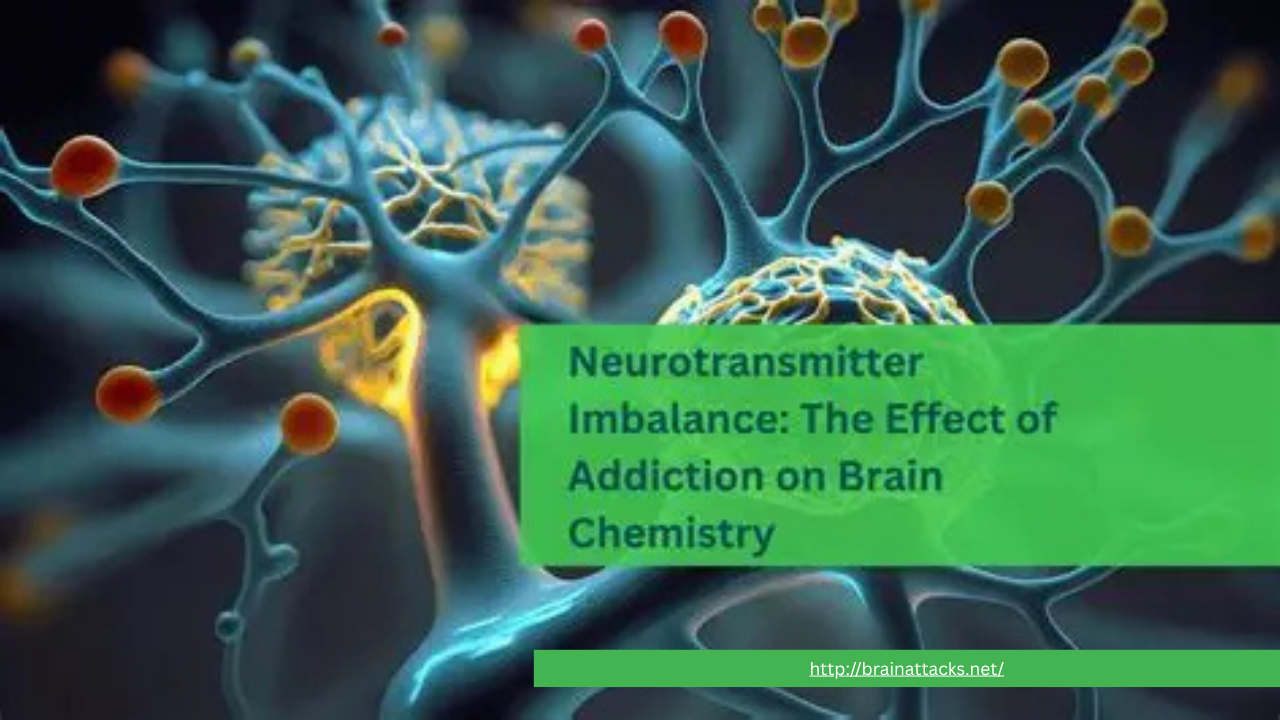
Drugs and alcohol interfere with neurotransmitters, the chemical messengers responsible for communication between neurons. Substances like alcohol, opioids, stimulants, and sedatives flood the brain with unnatural levels of chemicals such as dopamine and serotonin. While this creates temporary euphoria, the brain quickly adapts, reducing natural neurotransmitter production and receptor sensitivity.

The Reward System Hijacked

The brain’s reward system is designed to reinforce behaviors necessary for survival. Chronic substance use tricks the system into prioritizing the drug over essential needs. Over time, everyday activities such as eating, socializing, or pursuing goals fail to produce satisfaction. This rewiring fuels cravings, compulsive behavior, and the cycle of addiction.

Impacts on Cognitive Function

Chronic substance use affects memory, attention, and learning. The hippocampus, critical for forming new memories, is particularly vulnerable. Damage here may result in short-term memory loss and difficulty learning new skills. The prefrontal cortex, responsible for decision-making and impulse control, also suffers, leading to poor judgment and increased risk-taking behavior.


Emotional and Behavioral Consequences

Chemical imbalances in the brain extend beyond cognition. Mood regulation becomes impaired, making individuals more susceptible to depression, anxiety, irritability, and emotional instability. Many people with chronic substance use disorders struggle to maintain relationships, hold steady employment, or engage in meaningful activities. These behavioral changes often reinforce the addiction cycle, as substances are used to cope with the very emotions they help create.


The Special Vulnerability of the Developing Brain

Adolescents and young adults face heightened risk because their brains are still developing. Chronic substance use during these formative years can permanently alter neural connections, increasing susceptibility to lifelong addiction, emotional disorders, and cognitive deficits. Early intervention is critical to minimize long-term damage.


Paths to Recovery and Healing

The brain is resilient, and neuroplasticity offers hope for recovery. At BrainAttacks.net, we provide comprehensive programs designed to restore balance and support long-term healing.

Holistic and Faith-Based Approaches

Recovery is most effective when it addresses body, mind, and spirit. Holistic strategies include nutrition, exercise, mindfulness, and spiritual guidance to strengthen overall well-being. Faith-based programs provide a foundation for hope, purpose, and personal transformation.

Inpatient and Outpatient Care

Our structured inpatient programs stabilize clients during acute recovery, while outpatient programs provide ongoing therapy, support, and skill-building for reintegration into daily life. Personalized treatment plans ensure that each individual receives care tailored to their unique needs.

Restoring Cognitive and Emotional Function

Evidence-based therapies such as cognitive behavioral therapy, counseling, and group support help clients rebuild decision-making skills, manage stress, and restore emotional balance. Over time, many regain clarity, motivation, and confidence to live a substance-free life.


Taking the Next Step

Chronic drug and alcohol use creates profound neurological challenges, but recovery is possible. Understanding the chemical chaos at work in the brain is the first step toward compassionate, informed care. If you or a loved one is struggling, BrainAttacks.net offers professional, individualized support to navigate the journey to healing. Reach out today to start restoring brain health, emotional balance, and life purpose.

From High to Harm: How Substance Abuse Alters Brain Structure and Function

Substance abuse is often associated with temporary highs, social consequences, or physical health risks. However, the real impact goes much deeper. Chronic drug and alcohol use can physically alter the brain’s structure, disrupt neural communication, and impair cognitive and emotional functioning. At BrainAttacks.net, we understand that addiction is a complex neurological condition that requires compassionate, individualized care. By addressing the brain’s physical and psychological damage, we help clients rebuild their lives and regain control over their health.


How Drugs and Alcohol Change the Brain

Repeated substance use interferes with neurotransmitters, the chemical messengers responsible for communication between neurons. Over time, these changes can permanently alter how the brain processes pleasure, motivation, memory, and decision-making.

The Reward System and Dopamine Imbalance

The brain’s reward system reinforces behaviors essential for survival by releasing dopamine, which creates feelings of pleasure. Drugs and alcohol flood the brain with excessive dopamine, producing intense euphoria. Chronic exposure, however, leads the brain to reduce natural dopamine production and receptor sensitivity. As a result, everyday activities no longer provide pleasure, and the person becomes dependent on the substance to feel normal.

Structural Changes in Critical Brain Regions

Substance abuse can physically shrink or damage key brain regions:

  • Prefrontal cortex: Responsible for judgment, self-control, and decision-making. Impairment here leads to impulsivity and poor risk assessment.
  • Hippocampus: Central to memory formation and learning. Damage can result in short-term memory loss and difficulty learning new skills.
  • Amygdala: Regulates emotion and stress responses. Alterations contribute to anxiety, depression, and emotional instability.

These structural changes reinforce the cycle of addiction, making recovery more challenging without professional intervention.


Cognitive and Emotional Consequences

The neurological impact of substance abuse extends beyond structural changes. Individuals often experience:

  • Memory lapses and difficulty concentrating
  • Mood swings, anxiety, or depressive symptoms
  • Reduced motivation for daily tasks and long-term goals
  • Increased impulsivity and risk-taking behavior

Understanding that these behaviors are rooted in brain changes—not moral weakness—is essential for compassion and effective treatment.


Supporting Recovery Through Holistic Care

Healing the brain requires a comprehensive approach. At BrainAttacks.net, our programs integrate mental health treatment, faith-based support, and holistic care to help clients recover physically, emotionally, and spiritually.

Inpatient and Outpatient Programs

Structured inpatient care stabilizes individuals during early recovery, while outpatient programs provide ongoing therapy and support for long-term success. Each treatment plan is tailored to the unique needs of the client.

Holistic and Faith-Based Support

Holistic therapies, including mindfulness, nutrition, exercise, and spiritual counseling, support neuroplasticity and brain recovery. Faith-based approaches provide hope, purpose, and a sense of connection that strengthens motivation for long-term sobriety.

Cognitive and Emotional Rehabilitation

Evidence-based therapies like cognitive behavioral therapy, group counseling, and stress management techniques help rebuild cognitive function, emotional regulation, and decision-making skills, enabling clients to regain control over their lives.


Rebuilding Brain Health After Addiction

Substance abuse may permanently alter brain structure and function, but recovery is possible. By addressing both the neurological and emotional effects of addiction, BrainAttacks.net helps individuals restore clarity, balance, and purpose. If you or a loved one is struggling with addiction, reach out today for compassionate, individualized care that supports long-term healing and transformation.

Neurons Under Siege: The Hidden Brain Damage Caused by Drugs and Alcohol

The human brain is one of the most powerful and delicate organs in the body. Every thought, memory, and emotion depends on healthy neural connections. But when drugs or alcohol enter the picture, these pathways can be disrupted in ways that are often invisible at first but devastating over time. Understanding the neurological toll of substance abuse is not only vital for those struggling with addiction but also for their loved ones seeking to help them heal.

How Substance Abuse Impacts the Brain

Repeated drug or alcohol use changes the brain’s chemistry. Substances alter how neurotransmitters like dopamine, serotonin, and glutamate are produced and received. These changes can rewire the brain’s reward system, making the pursuit of the substance a top priority over basic needs like food, relationships, and safety.

Alcohol, opioids, stimulants, and other drugs can damage critical brain regions such as:

  • The prefrontal cortex: Responsible for decision-making, impulse control, and judgment.
  • The hippocampus: Vital for memory formation and learning.
  • The amygdala: Regulates emotions and stress responses.

Over time, this neurological damage can impair cognitive ability, emotional stability, and self-control.

Short-Term Disruptions with Long-Term Costs

In the short term, substance use can cause confusion, mood swings, memory lapses, and poor judgment. While some of these effects fade when the substance leaves the body, repeated use compounds the damage. Long-term effects may include chronic memory loss, depression, anxiety disorders, and even permanent cognitive decline.

For younger people, the risks are especially high. A brain that is still developing is more vulnerable to structural and functional changes caused by drugs and alcohol, which can have lifelong consequences.

The Role of Holistic and Faith-Based Recovery

Healing from brain damage caused by addiction requires more than detox. It calls for a comprehensive approach that addresses the physical, emotional, and spiritual aspects of recovery. At organizations committed to holistic care, treatment may include:

  • Medical support to stabilize and protect neurological health.
  • Counseling and therapy to rebuild decision-making skills and emotional resilience.
  • Faith-based programs to provide hope, purpose, and a renewed sense of self.
  • Lifestyle changes like nutrition, exercise, and mindfulness practices to support brain repair.

By combining these strategies, recovery programs give individuals the tools to rewire the brain in healthier ways.

Hope for Brain Healing

The good news is that the brain has remarkable neuroplasticity, meaning it can adapt and recover over time. While some damage may be permanent, many people experience significant improvements in memory, mood, and motivation after sustained sobriety. The key is to begin treatment as soon as possible to prevent further harm.

Drugs and alcohol do more than cause temporary highs or lows. They place neurons under siege, slowly dismantling the brain’s ability to function at its best. If you or someone you love is caught in the cycle of addiction, know that help is available. With the right medical, emotional, and spiritual support, it is possible to restore balance, rebuild neural pathways, and reclaim a healthy, purposeful life.

Silent Sabotage: The Long-Term Neurological Consequences of Substance Abuse

At BrainAttacks.net our mission is to support recovery with respect, empathy, and evidence‑based care. If you or someone you love is struggling with addiction, you deserve hope and clarity. In this article we explore how substance abuse can quietly sabotage brain health over time, and how compassionate, individualized treatment—like the faith‑based, holistic model we offer—can help restore the nervous system, mental health, and purposeful living.


Understanding the Hidden Damage

When someone uses drugs or alcohol repeatedly, the effects extend far beyond hangovers or impaired judgment. Over months and years, substances can cause lasting neurological changes. This damage often goes unseen—until memory slips, mood becomes fragile, or motivation fades. These are the quiet signs of a brain under siege.

Substance Use and Brain Structure

  • Rewiring reward pathways: Addictive substances overstimulate dopamine circuits, leading the brain to down‑regulate natural dopamine production and reduce receptor density. The result is an inability to feel pleasure from everyday activities.
  • Shrinking key regions: Prolonged use can reduce gray matter in areas like the prefrontal cortex, which governs impulse control, decision‑making, and emotional regulation.
  • Damaged memory centers: The hippocampus, essential for forming and retrieving memory, can suffer shrinkage and impaired connectivity.

These neurological alterations often lead individuals into a cycle: diminished brain function drives greater substance use, while substance use further impairs the brain.


Cognitive and Emotional Fallout

Impaired Thinking and Memory

Clients frequently experience short‑term memory loss, difficulty concentrating, and slowed processing. School, work, and simple day‑to‑day tasks become overwhelming.

Emotional Instability

Substance use disrupts neurotransmitters like serotonin and GABA. This biological imbalance can lead to mood swings, anxiety, or depression—even as the person leans on substances for relief.

Loss of Motivation

As natural reward systems falter, individuals often lose ambition. Life beyond substance use feels joyless. Simple goals like maintaining relationships or pursuing interests can feel unattainable.


Why the Teen Brain Is Especially Vulnerable

Adolescents are in a sensitive phase of development. Their brains are still building connections in the prefrontal cortex. Early substance use can derail this important growth. Teens who use alcohol or drugs are at higher risk of permanent cognitive delay, emotional disorders, and lifelong addiction.


The Road to Recovery Is Real—but It Takes Time

Healing does not happen overnight. However, with the right support, the brain can begin to rebuild—thanks to neuroplasticity.

Personalized, Holistic Support

BrainAttacks.net combines mental health therapy, peer support, spiritual care, and evidence‑based interventions. Our programs offer both inpatient and outpatient care that is tailored to each client’s journey.

Restoring Cognitive Function

With therapeutic practices like cognitive behavioral therapy, stress‑reduction strategies, and structured routines, many clients regain clarity, emotional stability, and motivation over time.

Faith‑Based and Client‑Centered Care

Our holistic, faith‑based approach helps many clients reconnect with meaning, hope, and inner resilience. By addressing the spiritual and emotional foundations of addiction, we support healing at every level: body, mind, and soul.


Practical Steps Toward Brain Health

  1. Begin with detox under medical supervision to stabilize acute withdrawal symptoms.
  2. Engage in ongoing mental health treatment, such as therapy, support groups, or medication‑assisted treatment when needed.
  3. Adopt a recovery‑focused lifestyle: regular sleep, exercise, nutrition, and mindfulness support brain repair.
  4. Build a recovery community: family, peer support, and faith groups reinforce accountability and hope.

Conclusion: Healing the Brain Starts Now

Substance abuse can enact silent sabotage on the brain—but recovery is possible. At BrainAttacks.net we see evidence every day that the brain can rebuild, emotions can stabilize, and purpose can return. If you are seeking recovery rooted in compassionate, professional, and client‑centered care, reach out today. You do not have to face this alone. Let us walk with you toward lasting healing and freedom.

Inside the Addicted Brain: How Drugs and Alcohol Rewire the Nervous System

Addiction is more than a pattern of poor choices—it is a chronic brain disorder rooted in neurological changes. When drugs or alcohol are repeatedly consumed, they alter the brain’s structure and function, rewiring the nervous system in ways that trap individuals in cycles of compulsive use. Understanding these changes reveals why addiction is so difficult to overcome and why treatment must go beyond willpower alone.

The Brain’s Reward System: A Natural Motivator

At the heart of addiction lies the brain’s reward system, a network of neurons designed to reinforce behaviors that promote survival, such as eating, socializing, and physical activity. When these behaviors occur, the brain releases dopamine, a neurotransmitter that produces feelings of pleasure and satisfaction.

Addictive substances hijack this system by flooding the brain with unnaturally high levels of dopamine. Drugs like cocaine, heroin, alcohol, and methamphetamine produce euphoric effects far stronger than any natural reward. The brain quickly learns to associate the substance with intense pleasure, setting the stage for repeated use.

Rewiring the Nervous System

Over time, the brain adapts to the presence of drugs or alcohol. It reduces its natural production of dopamine and diminishes the number of dopamine receptors. This process is called neuroadaptation, and it causes tolerance—requiring more of the substance to achieve the same effect.

At the same time, the brain forms powerful neural pathways associated with substance use. These pathways link environmental cues—such as people, places, or emotions—to cravings and compulsive drug-seeking behavior. This rewiring of the nervous system makes it difficult for individuals to resist the urge to use, even when they consciously want to stop.

Damage Beyond Pleasure

The neurological impact of addiction extends beyond the reward system:

  • Prefrontal Cortex: Responsible for decision-making and impulse control, this region weakens during addiction, making it harder to consider long-term consequences.
  • Amygdala and Hippocampus: These areas handle stress, memory, and emotional responses. Substance abuse can heighten anxiety, distort memory, and intensify emotional instability.
  • Motor and Sensory Systems: Chronic use of substances like alcohol and stimulants can damage coordination, fine motor skills, and sensory perception.

These changes explain why addiction often leads to risky behaviors, poor judgment, and an inability to stop using despite negative consequences.

Can the Brain Heal?

The nervous system is adaptable, thanks to neuroplasticity—the brain’s ability to form new connections and repair damage. With sustained sobriety, therapy, and support, the brain can gradually rewire itself to prioritize healthier habits. However, this process takes time and requires commitment to treatment and recovery.

Conclusion

Addiction is not a failure of character—it is the result of powerful neurological changes that rewire the brain’s reward, decision-making, and emotional systems. Drugs and alcohol reshape the nervous system, creating a cycle of dependence that is difficult to break without help. Understanding the science of addiction is key to fostering compassion, guiding effective treatment, and supporting lasting recovery.

Addiction, Anxiety, and Depression: How Substance Abuse Alters Brain Chemistry

Substance abuse doesn’t just affect behavior—it fundamentally changes how the brain works. Prolonged use of drugs or alcohol disrupts the brain’s chemical balance, leading to emotional disorders like anxiety and depression, while also reinforcing addiction itself. Understanding the biochemical link between addiction and mental health reveals why these conditions often co-occur and why effective treatment must address both.

The Brain’s Chemical Balance

The human brain relies on a delicate balance of neurotransmitters—chemical messengers that regulate mood, motivation, focus, and emotional response. Substances such as alcohol, opioids, stimulants, and cannabis alter the production and activity of these chemicals, throwing the brain into a state of imbalance.

Key neurotransmitters affected by substance abuse include:

  • Dopamine: Central to the brain’s reward system, dopamine produces feelings of pleasure and motivation. Addictive substances flood the brain with dopamine, creating intense euphoria and reinforcing repeated use. Over time, natural dopamine production declines, making it hard to feel joy without the substance.
  • Serotonin: Responsible for mood stabilization and emotional well-being, serotonin is disrupted by substances like alcohol and ecstasy. Low serotonin levels are strongly linked to depression and anxiety.
  • GABA and Glutamate: These neurotransmitters help regulate brain activity. Alcohol and benzodiazepines increase GABA (a calming chemical), while suppressing glutamate (an excitatory one), leading to sedation. Chronic use impairs this balance, contributing to anxiety, panic, and cognitive fog during withdrawal.

Addiction and Emotional Disorders: A Two-Way Street

Anxiety and depression are not just consequences of addiction—they can also be contributing factors. Many people turn to substances to escape emotional pain, numb stress, or self-medicate for underlying mental health issues. Unfortunately, this coping strategy often backfires. While drugs may provide temporary relief, they exacerbate the very symptoms people are trying to manage.

Over time, the brain adapts to the presence of substances by altering its chemistry. This adaptation creates tolerance (needing more of the substance to get the same effect) and dependence (needing the substance to feel “normal”). When substance use stops, withdrawal symptoms—including heightened anxiety and deep depression—can make it incredibly difficult to quit without support.

Long-Term Consequences

Persistent substance use leads to long-term changes in brain function, particularly in areas involved in emotional regulation, stress response, and decision-making. The amygdala (which processes fear and anxiety), the hippocampus (which stores emotional memories), and the prefrontal cortex (which governs logic and impulse control) all show signs of damage in chronic users.

As a result, individuals may experience:

  • Heightened sensitivity to stress
  • Frequent mood swings
  • Emotional numbness or volatility
  • Loss of interest in everyday activities

These symptoms often create a vicious cycle—negative emotions lead to more substance use, which worsens brain chemistry, leading to even more emotional suffering.

Healing the Brain

Recovery is possible. The brain is capable of healing through neuroplasticity, but it takes time and the right interventions. Treatment programs that combine medical detox, counseling, medication (such as antidepressants or anti-anxiety meds), and behavioral therapies are most effective.

Holistic approaches—including exercise, nutrition, mindfulness, and strong social support—can also help restore chemical balance and promote emotional healing.

Conclusion

Addiction, anxiety, and depression are deeply interconnected through the brain’s chemistry. Substance abuse alters neurotransmitters in ways that fuel emotional instability and reinforce dependence. By addressing both the addiction and the underlying mental health issues, individuals can begin to restore balance, rebuild their lives, and achieve lasting recovery.

Long-Term Brain Damage from Substance Abuse: Is Recovery Possible?

Substance abuse is not just a temporary assault on the body—it can cause lasting harm to the brain. Long-term use of drugs or alcohol alters brain structure and function, often leading to significant cognitive, emotional, and behavioral problems. The good news is that the brain possesses a remarkable capacity for healing. But how much recovery is possible depends on several factors, including the substance used, the duration of abuse, and the steps taken toward recovery.

How Substance Abuse Damages the Brain

Addictive substances can cause both functional and structural damage to key brain regions:

  • Prefrontal cortex: This area governs decision-making, self-control, and planning. Long-term substance abuse weakens its function, leading to poor judgment, impulsivity, and difficulty managing daily responsibilities.
  • Hippocampus: Responsible for memory and learning, the hippocampus is particularly vulnerable to alcohol and certain drugs. Damage here leads to memory loss and learning difficulties.
  • Reward system: Chronic exposure to substances hijacks the brain’s reward circuits, making it harder to experience pleasure from natural sources and reinforcing compulsive drug-seeking behavior.

These changes are not just temporary. In cases of prolonged or heavy use, the brain’s structure can be altered, with reduced gray matter and impaired connectivity between key regions.

Is Recovery Possible?

The brain is dynamic and adaptable, thanks to neuroplasticity—the ability to form new neural connections and reorganize damaged networks. Research shows that with sustained abstinence and the right interventions, many of the negative effects of substance abuse can be partially or even largely reversed.

  • Cognitive improvements: Memory, attention, and problem-solving skills often show gradual recovery over months or years of sobriety.
  • Emotional stability: As the brain’s chemical balance is restored, mood regulation improves and symptoms of depression or anxiety often lessen.
  • Decision-making and impulse control: With time and support, the prefrontal cortex can regain much of its lost function, helping individuals make healthier choices.

Supporting Brain Recovery

Healing from long-term brain damage requires a comprehensive approach:

  • Therapeutic interventions: Cognitive behavioral therapy (CBT), mindfulness, and other evidence-based treatments help retrain thought patterns and coping skills.
  • Healthy lifestyle: Regular exercise, balanced nutrition, adequate sleep, and stress management promote brain health and neuroplasticity.
  • Social support: Strong connections with family, friends, and recovery communities provide encouragement and accountability.

Conclusion

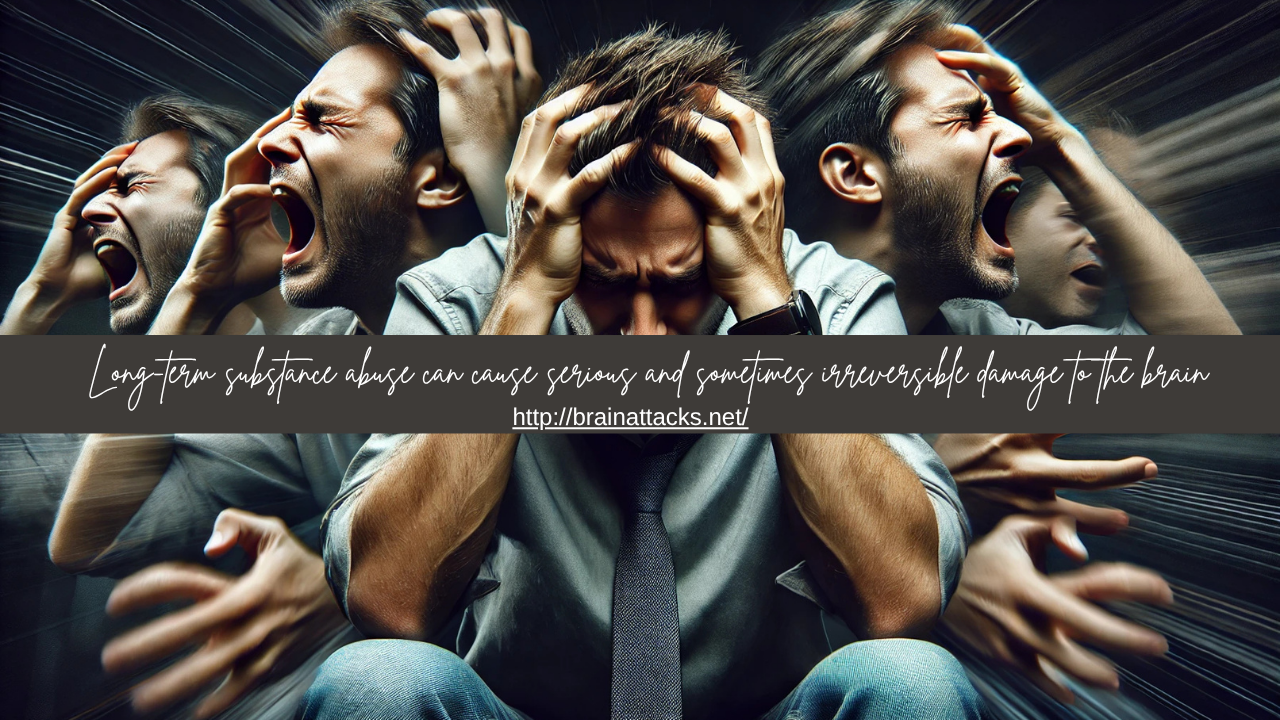
While long-term substance abuse can cause serious and sometimes irreversible damage to the brain, recovery is often possible—especially with early intervention and sustained effort. The brain’s resilience offers hope, but healing takes time, support, and commitment. By understanding the nature of brain damage and the power of neuroplasticity, individuals and their loved ones can work toward a brighter, healthier future.