 The teenage years are a time of rapid growth and transformation—physically, emotionally, and neurologically. While teens may seem capable of making adult decisions, their brains are still very much under construction. This developmental phase makes them particularly vulnerable to the effects of drugs and alcohol. When toxic substances are introduced during adolescence, they can derail healthy brain development, leading to long-term cognitive, emotional, and behavioral consequences.
The Adolescent Brain: A Work in Progress
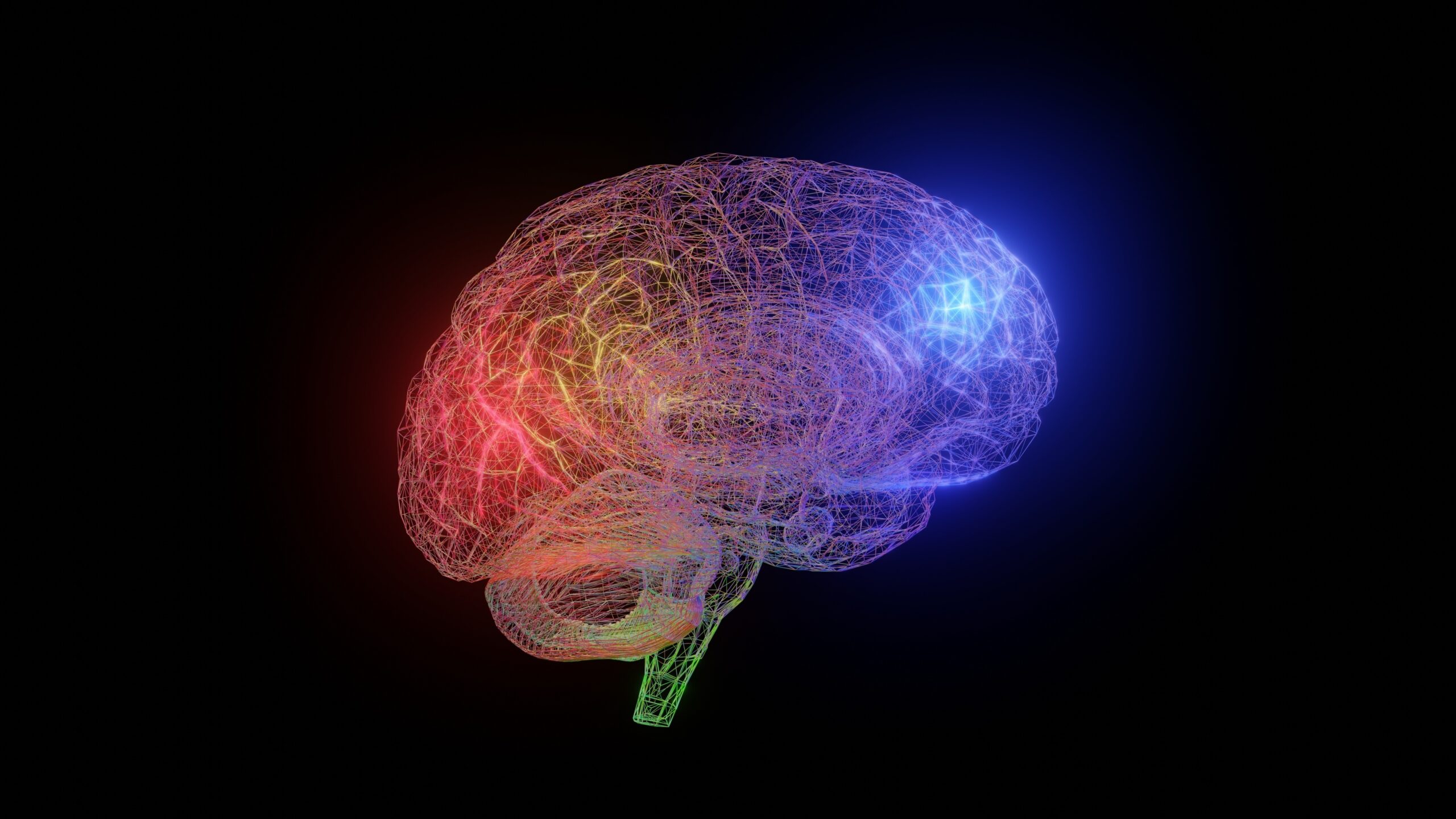
The human brain does not fully mature until the mid-20s. During adolescence, the brain undergoes critical changes, especially in areas responsible for decision-making, impulse control, and emotional regulation.
-
Prefrontal cortex: This region governs judgment, reasoning, and self-control. In teens, it is still developing, making it harder to weigh risks and long-term consequences.
-
Limbic system: This part of the brain, which includes the amygdala and hippocampus, processes emotions and rewards. It matures earlier than the prefrontal cortex, which can lead to a mismatch between heightened emotional reactions and underdeveloped impulse control.
This neurological imbalance explains why teens are more likely to engage in risky behaviors—including experimenting with drugs and alcohol—without fully understanding the potential consequences.
How Substances Affect the Teenage Brain
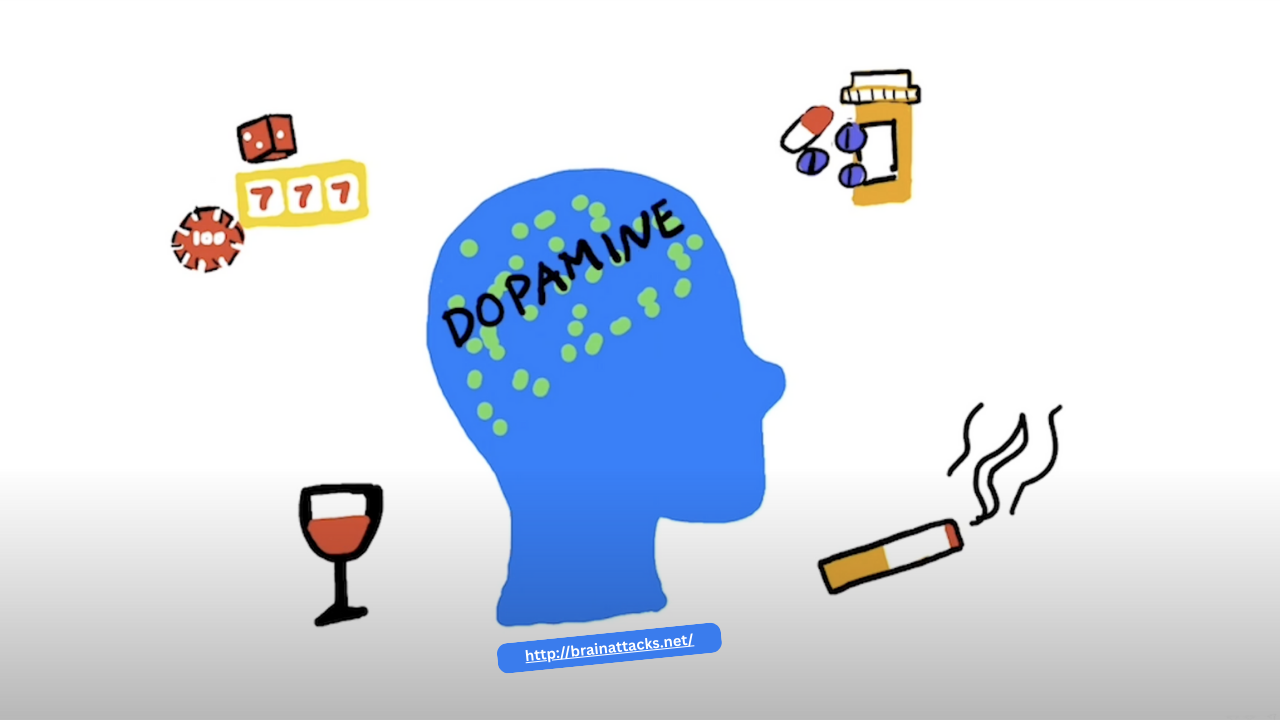
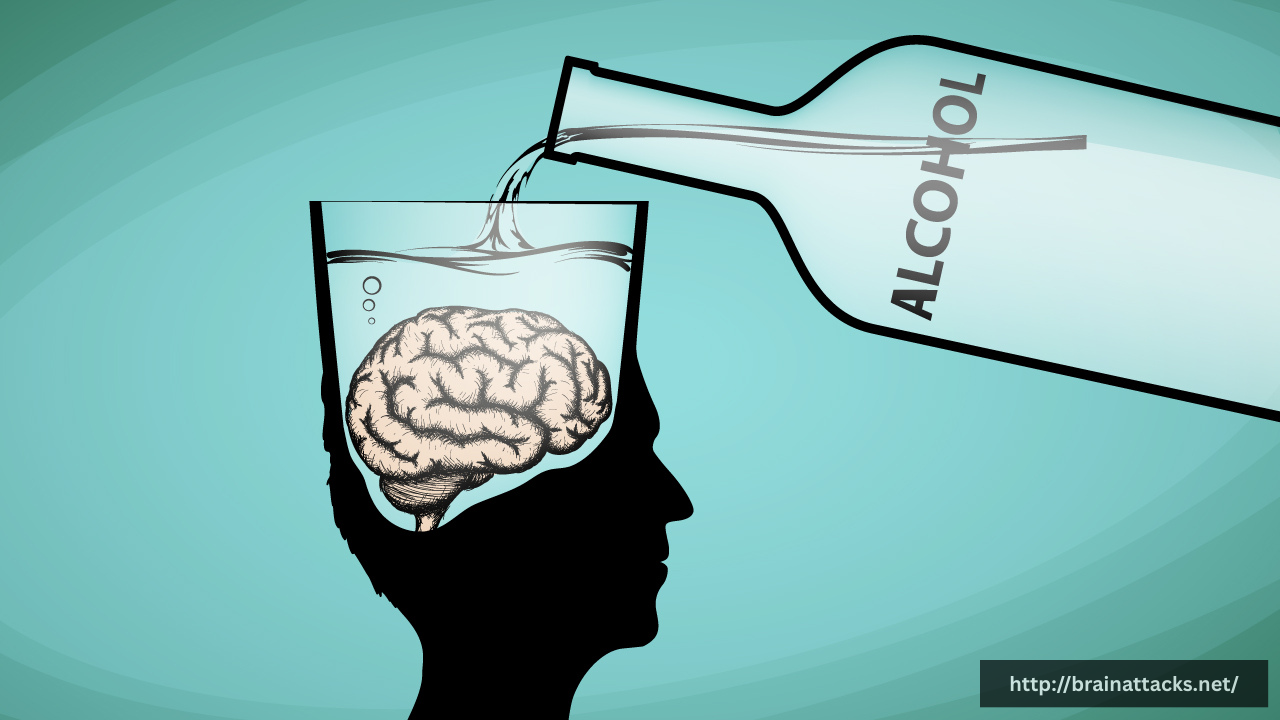
Substances such as alcohol, nicotine, marijuana, and opioids have a much more profound impact on the developing brain than on a fully matured one. They interfere with brain chemistry, alter neural pathways, and can permanently change how the brain functions.
-
Learning and memory: Drugs impair the hippocampus, reducing the brain’s ability to learn and retain new information—critical skills during school years.
-
Emotional regulation: Substance use disrupts the development of neural circuits involved in managing stress and emotions, increasing the risk of anxiety, depression, and mood swings.
-
Addiction vulnerability: Because teen brains are highly plastic (easily shaped by experience), early substance use can “hardwire” the brain to depend on drugs or alcohol, making addiction more likely and harder to treat.
The Risks of Early Use
Numerous studies show that individuals who begin using substances during adolescence are more likely to develop substance use disorders later in life. Early use is also linked to poor academic performance, increased dropout rates, and legal trouble. These outcomes can have lasting effects on a teen’s future opportunities and mental health.
Prevention and Support
Preventing substance use among teens requires a multi-faceted approach. Parents, educators, and communities must provide accurate information about the risks, foster open communication, and create supportive environments.
-
Education: Age-appropriate drug education helps teens understand the real consequences of substance use.
-
Parental involvement: Teens with involved, communicative parents are less likely to use substances.
-
Healthy alternatives: Encouraging sports, arts, and peer group activities gives teens purpose and belonging without turning to drugs.
Conclusion
Teen brains are uniquely sensitive to the harmful effects of drugs and alcohol. Because these substances interfere with critical brain development, early use can lead to lasting damage and increase the risk of addiction. By understanding the unique vulnerabilities of the adolescent brain, we can better protect young people and guide them toward healthy, substance-free futures.